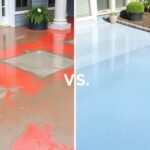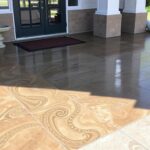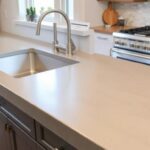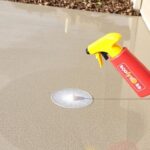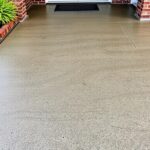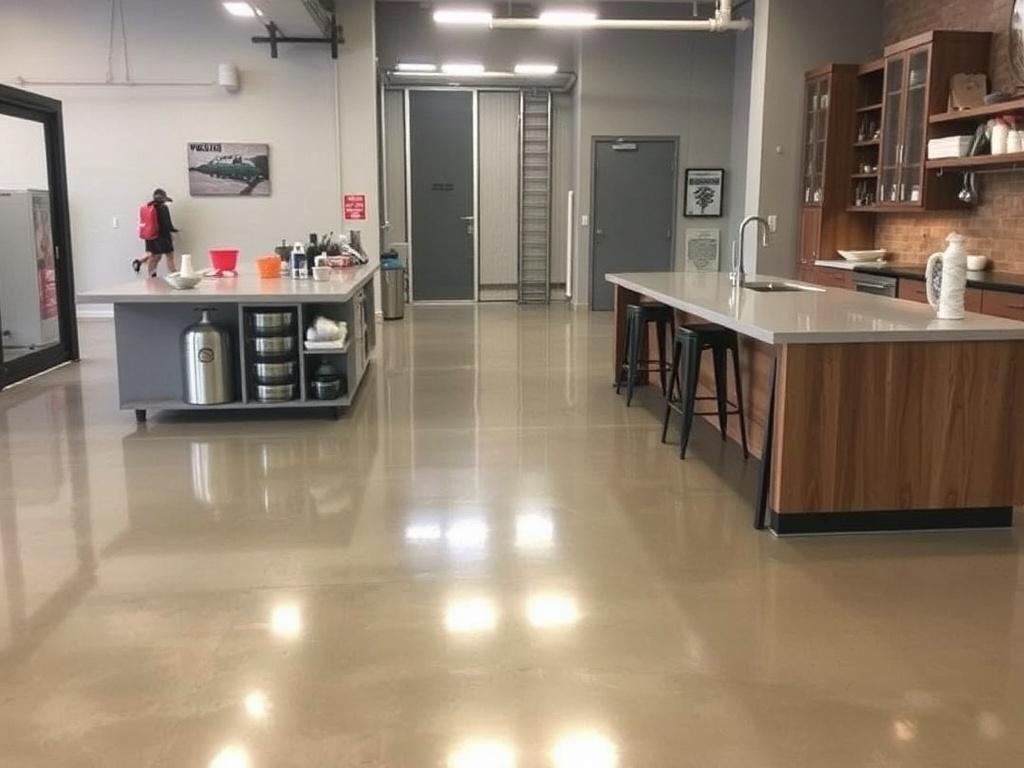
Polished concrete has quietly become a favorite across homes, offices, and big-box stores, admired for a look that feels both modern and timeless. It pairs industrial toughness with a surprising warmth when done right, and it can be shaped by color, aggregate, and finish level to fit many styles. In this article I’ll walk through what polished concrete is, how it’s made, the benefits it delivers, and how to care for it so it continues to shine for years.
What polished concrete actually is
At its simplest, polished concrete is a concrete slab that has been mechanically ground, honed, and polished to a glossy, durable finish. Rather than being covered by tile or wood, the concrete itself becomes the finished surface, often enhanced with densifiers and topical treatments to improve hardness and sheen. The look ranges from matte satin to mirror-like high gloss depending on the grit progression and products used.
Polishing exposes the aggregate and the concrete matrix in different degrees, which is part of what makes each project unique. You can leave the surface quite natural or reveal large pieces of decorative aggregate for a terrazzo-like appearance. Because the process interacts with the existing slab, factors like mix design, finish, and age of the concrete influence both the look and the effort required.
People often assume polished concrete is cold or industrial; that’s a misconception rooted in early applications. With the right treatments, color choices, and attention to detail, polished concrete can read as warm, elegant, and perfectly at home in residential living rooms as well as commercial lobbies.
Brief history and evolution of polished concrete
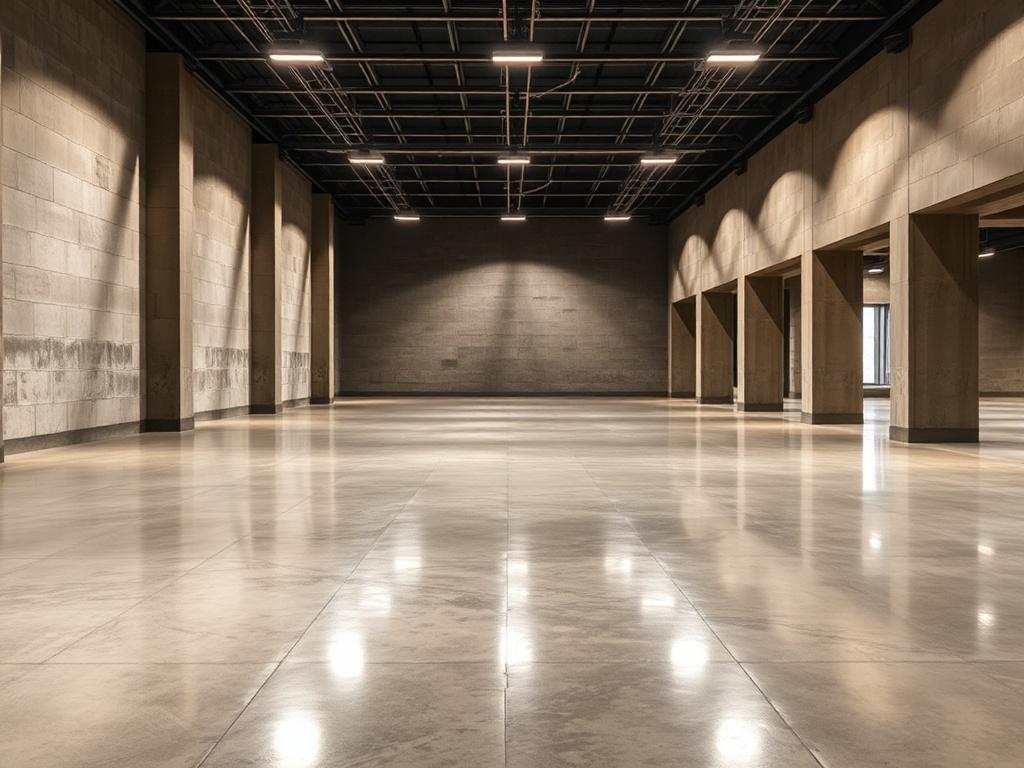
Polished concrete’s roots trace back to industrial floors that needed durability and low maintenance in factories and warehouses. Over the past few decades, advances in diamond tooling, densifiers, and stains have pushed the technique into mainstream architectural and interior design. Designers and homeowners began embracing it not just for practicality but for aesthetic flexibility as well.
Innovations in chemical hardeners and topical finishes have improved resistance to staining and wear while giving finishers more control over gloss levels. At the same time, refinements in grinding machinery make it possible to achieve consistent results faster and more economically than in the past. These twin developments—better chemistry and better tooling—explain why polished concrete went from niche to ubiquitous.
Today’s market offers a wide palette: integral color, dyes, metallics, stains, aggregate choices, and scoring patterns. That variety, combined with the inherent longevity of concrete, has made polished floors a preferred choice for architects and builders seeking a long-lived, low-maintenance surface.
Polished concrete floors: process, benefits, and maintenance — an overview
For readers who want a single phrase to capture the sweep of this topic, the words above fit neatly: the process transforms a slab, the benefits are functional and aesthetic, and maintenance keeps the investment working. Knowing what each section means in practice helps you plan budget, schedule, and long-term care. Below I’ll unpack each step of the process, explain practical benefits and limitations, and offer a realistic maintenance plan.
Understanding the full sequence helps you avoid surprises on installation day and gives you leverage when hiring contractors. The process isn’t gimmicky, but it is technique-sensitive—small choices early on affect both finish and longevity. With a clear sense of what to expect you can make informed trade-offs between appearance, cost, and performance.
I’ll also share hands-on tips I’ve picked up from field visits and renovation projects—details that rarely make it into sales brochures but matter during installation and upkeep. They’ll help you ask the right questions and understand what your finished floor will really require.
Assessment and preparation: the hidden work
Evaluating the slab
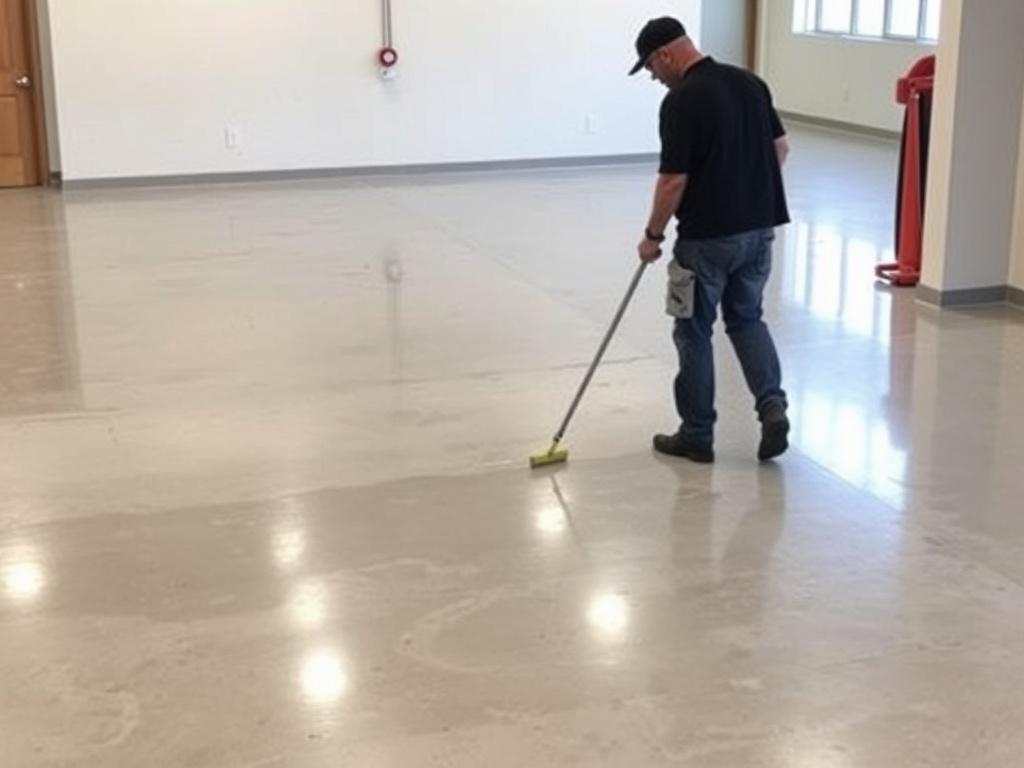
Before a single diamond disk touches the floor, a thorough assessment is essential. The installer examines slab thickness, saw cuts, existing joint layout, cracks, moisture content, and any previous toppings or coatings. These factors determine whether a simple polish is feasible or if remediation—such as crack repair, surface leveling, or moisture mitigation—is required first.
Moisture testing is especially important in retrofit residential projects where improper vapor control can lead to sealant failure or delamination of topical finishes. A relative humidity test or calcium chloride test gives the team objective data to guide product selection. Skipping this step is one of the most common causes of problems down the line.
Sometimes the slab is in such poor shape that a new topping or overlay is the wiser choice. Installers will advise whether to proceed with a direct polish, apply a cementitious overlay, or use a polished paste or microtopping to create the right surface for grinding and polishing.
Cleaning and repairing
Once the slab is cleared for polishing, the team removes paint, adhesives, oils, and other contaminants that could interfere with grinding. Tackling stains and embedded materials early saves hours of rework and prevents dusty, uneven finishes later. This step often involves mechanical scraping, chemical stripping, and pressure washing followed by a full dry-out period.
Cracks and joints need attention; small hairline cracks are often filled with resin or color-matched epoxy, while bigger structural issues may require stitching or routing. Control joints are generally honored rather than filled, and some designers choose to accentuate joints as a design feature rather than conceal them. Properly addressing these imperfections keeps the floor stable and attractive.
Surface leveling may be necessary in older slabs where settling or improper finishing left low spots. Self-leveling underlayments or patch mortars restore flatness so the polishing machinery can produce a consistent shine without “shadowing” where the diamond tooling skipped or dug in.
Grinding: creating a uniform template
Grinding is the first mechanical step and sets the stage for every subsequent finish. Contractors use planetary grinders with diamond segments, beginning with coarse grits to remove surface irregularities, contaminants, and weak paste. The goal is a uniform substrate and gradual exposure of the aggregate as desired.
The sequence of grits typically starts around 30–60 and moves up through 80–120 for initial passes. Each pass removes scratches left by the previous grit and smooths the surface progressively. Good installers pay attention to machine speed, feed rates, and pressure to avoid unevenness or chatter marks.
Because grinding produces a lot of dust and slurry, dustless grinders and appropriate extraction systems are common on professional jobs. This reduces cleanup time and prevents silica dust exposure—an important safety and regulatory consideration in many locales.
Densification and chemical hardeners
After initial grinding, a densifier is applied to the concrete to fill pores and strengthen the matrix. Densifiers are typically silicate-based liquids that penetrate and react with free lime in the concrete to form a harder, more abrasion-resistant surface. Without a densifier, polished concrete would feel smoother but remain susceptible to wear and dusting.
There are different formulations—sodium, lithium, and potassium silicates—with lithium often preferred for faster cure times and deeper penetration. Choosing the right product depends on slab porosity, ambient conditions, and finish goals. Installers usually wait for the densifier to fully react before continuing with higher-grit polishing.
This chemical stage is where the floor gains much of its long-term performance. It reduces future maintenance needs by making the surface denser and less prone to micro-pitting under traffic and cleaning stresses.
Honing and polishing: achieving the chosen gloss
Honing transitions the floor from a mechanically roughed surface to a smooth plane. Diamond tools in progressively finer grits—often from 200 up to 800 or higher—refine the surface, gradually increasing luster and clarity. The choice of final grit depends on the desired level of shine and how much aggregate you want visible.
High-gloss finishes use grits up to 1500 or 3000 with resin-bonded diamonds to create a reflective surface. Lower-gloss, satin finishes stop at intermediate grits for a subtle sheen that hides minor imperfections and is easier to maintain. Many designers choose a mid-level gloss that balances aesthetics and practicality for everyday spaces.
Polishing is both art and science: correct pressure, consistent passes, and attention to machine marks produce even results. Experienced operators can coax consistent color and lustre out of slabs that might easily look blotchy in inexperienced hands.
Staining, coloring, and decorative options
Color is where the floor stops being just concrete and becomes a design element. Acid stains, water-based stains, dyes, and integral pigments offer different looks: acid stains create variegated, mottled patterns, while dyes can produce vivid, uniform color. The choice depends on the aesthetic goal and the slab’s receptiveness to the product.
Metallic pigments and microtoppings can create depth and movement that mimic poured terrazzo or natural stone. Scoring patterns, saw cuts, and inlays allow you to introduce geometric designs or delineate functional zones without adding other materials. These decorative techniques expand the possibilities for residential and commercial projects alike.
It’s important to test color options on-site: a small patch shows how the stain reacts with that particular slab under that lighting. I always recommend mock-ups for critical areas—they save costly surprises once the whole floor is treated.
Finishes and protective treatments
After polishing and any coloring, topical treatments can be applied for added protection, enhanced sheen, or specific performance attributes. Options include solvent or water-based coatings, penetrating sealers, and film-forming urethanes or polyaspartics. Film coatings provide additional stain resistance and can increase gloss, but they may change the surface feel and require maintenance like recoating.
Penetrating sealers maintain the look and breathability of the polished concrete while offering moderate stain resistance. For commercial kitchens or laboratories where chemical exposure is a concern, heavy-duty coatings can be specified on top of a polished base to combine aesthetics with protection. Choosing the right finish depends on traffic, exposure, and maintenance preferences.
Slip resistance is another consideration; additives can be introduced into coatings, or the floor can be finished at a lower gloss to increase traction. Always match finish type to the intended use to meet safety and performance requirements.
Equipment and materials used by professionals
Professional polished concrete crews bring a suite of heavy machinery that homeowners rarely own: planetary grinders, edge grinders, high-speed burnishers, dust extractors, and water reclamation equipment. Diamond tooling comes in metal bond for coarse work and resin bond for fine polishing. The right tooling profile and grit progression are crucial for predictable outcomes.
Chemicals include densifiers, topical sealers, stains, and epoxy or polyurethane repair products. Quality matters—industrial-grade materials cost more but deliver consistent results, deeper penetration, and longer service life. Cutting corners with generic supplies will save money upfront but usually raises long-term costs.
Personal protective equipment and proper ventilation are likewise essential. Grinding and chemical application generate dust and fumes that are harmful without adequate controls, so reputable contractors follow health and safety protocols strictly.
Design and customization: making concrete feel intentional
One of polished concrete’s surprising strengths is how many design languages it can adopt. A honed, satin finish reads warm and understated, while a high-gloss sheen feels urbane and contemporary. Aggregate selection, stain tones, and edge details allow the floor to be integrated into many design schemes.
Architects often pair polished concrete with wood or soft textiles to avoid a too-sterile feel in residential spaces. Area rugs, strategic furniture placement, and warm wall colors create balance and soften acoustics. In commercial settings, polished concrete serves as a neutral canvas that highlights merchandise, furnishings, or art.
Custom scoring and saw-cut patterns let you create faux tile grids, pathways, or logo inlays without the complications of grout lines or multiple materials. Design intent should be specified early, because some effects require special slabs, aggregate exposure, or leveling prior to polishing.
Main benefits: durability, cost-effectiveness, and sustainability
Polished concrete’s durability is perhaps its biggest practical selling point: a properly prepared and finished floor resists heavy foot traffic, carts, and abrasion better than many finish-floor products. Because the surface is the slab itself, there’s no thin topping to chip off under impact. This longevity translates to lower life-cycle costs in many applications.
From a cost perspective, polishing an existing slab frequently costs less than installing new floor coverings once you factor in removal, subfloor prep, and replacement materials. For new construction, polished concrete becomes the finish with minimal additional expense when planned into the slab work from the start. Over time, low maintenance needs—no waxing, fewer replacement cycles—improve return on investment.
Environmental considerations also favor polished concrete: it uses the building’s existing mass, avoids resource-intensive finishes, and often contributes to LEED credits for materials and indoor environmental quality. Its thermal mass can aid in passive heating and cooling strategies, reducing operational energy in suitable climates.
Limitations and what to watch out for
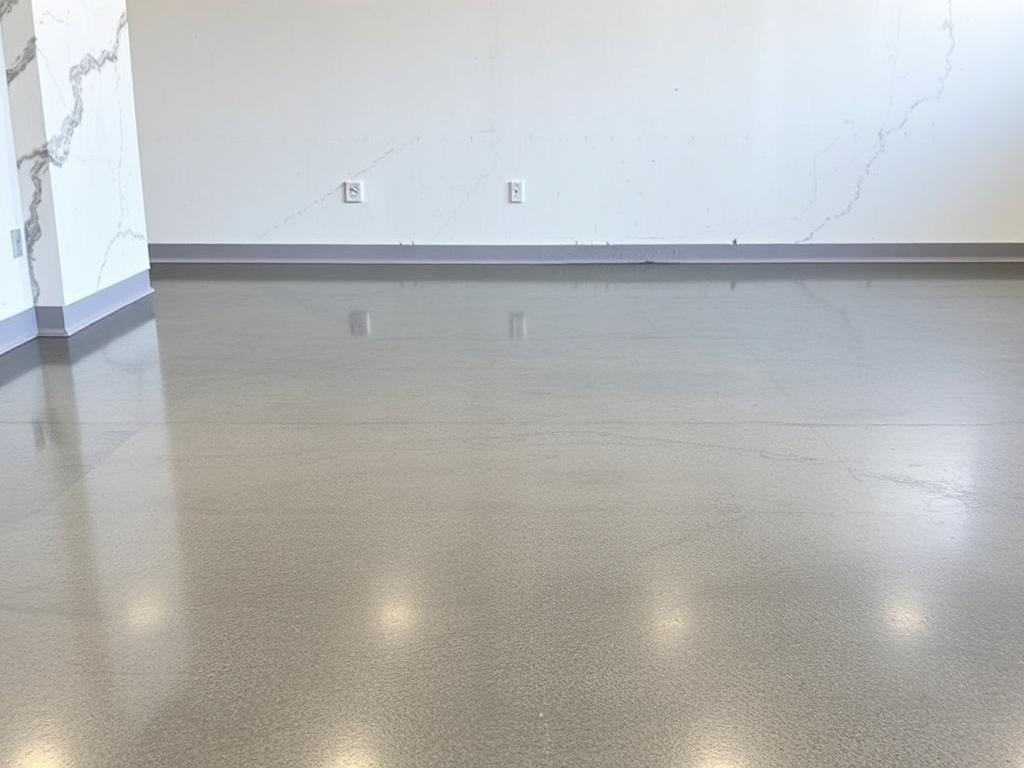
Polished concrete is not a miracle cure for every floor problem. It will reflect unevenness in the slab if the substrate isn’t corrected beforehand, and it can show “telegraphing” of joints or embedded imperfections. Expect to invest in proper preparation to avoid aesthetic compromises later.
Acoustics and thermal comfort are additional considerations. Hard surfaces reflect sound, which can create lively or noisy spaces unless mitigated with soft furnishings or acoustic treatments. Similarly, concrete is thermally massive and can feel cold underfoot unless paired with radiant heating or area rugs in residential settings.
Finally, extremely high-gloss finishes can be slippery when wet unless anti-slip measures are added, and film-forming coatings may require periodic recoating—so consider end-use before selecting the highest possible sheen.
Daily and routine maintenance
One of the best things about polished concrete is how straightforward routine care can be. Daily tasks are limited to dust mopping or dry sweeping to remove grit that could abrade the surface. Using microfiber dust mops instead of string mops keeps the sheen intact and reduces surface wear.
For wet cleaning, a neutral pH cleaner diluted in water and a low-speed auto-scrubber or mop are usually sufficient. Avoid harsh acids or high-alkaline cleaners that can dull densifiers or react with sealants; manufacturer guidelines should direct product choice and dilution ratios. Regular cleaning intervals depend on traffic patterns—retail and high-traffic commercial spaces often scrub daily, while residences may only need weekly attention.
Periodic burnishing with a high-speed buffer and appropriate pads can refresh high-gloss finishes and reduce the need for film coatings. Many facilities schedule light restorative care annually or semiannually depending on wear, which is less frequent than stripping and rewaxing typical of other floor types.
Maintenance checklist (quick reference)
- Daily: dry dust mop with microfiber to remove grit.
- Weekly: damp mop with a neutral pH cleaner; spot-clean spills immediately.
- Monthly/Quarterly: inspect high-traffic zones for dulling, scuffs, or staining.
- Annually: burnish or re-coat topical finishes as recommended by product manufacturer.
- As needed: repair cracks or deep scratches with epoxy or patch systems.
Keeping a maintenance log and noting cleaning products and schedules helps facility managers track performance and plan restorative work. That record also proves valuable when negotiating warranties or evaluating whether a recoat is needed.
In my experience managing a retail store remodel, a small investment in a scheduled burnish saved thousands by delaying a full recoat for several years. Proactive care matters more than aggressive cleaning when it comes to polished concrete.
Repair and restoration: when things go wrong
Despite concrete’s strength, damage happens—chips, gouges, or deep stains from chemicals can occur over time. The good news is that many issues are repairable without replacing the entire slab. Patching with color-matched epoxies, resin fillers, or microtoppings can restore aesthetics and function.
For floors where surface sheen has deteriorated, restoration typically involves light grinding and repolishing rather than replacement. If the slab has ongoing moisture issues, addressing the moisture source comes first; otherwise, new surface treatments will fail again. A competent contractor will diagnose root causes rather than just treating symptoms.
Large-scale reconditioning might include using a thin overlay to provide a fresh, uniform base for polishing. While more expensive than a spot repair, overlays allow complete color changes and design updates without slab demolition. In commercial settings, phased work and coordination minimize disruption while restoring floor performance.
Comparing polished concrete to other floor types
Relative to hardwood, tile, vinyl, or carpet, polished concrete offers a distinctive mix of durability, low maintenance, and design flexibility. It resists impact and heavy rolling loads better than many floor types and avoids repetitive replacement cycles common with softer surfaces. However, it doesn’t provide the same warmth or acoustic absorption as carpet or wood.
Tile and stone offer easier replacement in small patches but bring grout maintenance and potential for chipping. Vinyl or resilient floors are softer and often cheaper initially, but they can delaminate and require replacement more frequently. Polished concrete’s competitive edge grows the longer you own the building.
Below is a concise comparison table highlighting key trade-offs.
| Characteristic | Polished concrete | Hardwood | Tile |
|---|---|---|---|
| Durability | High | Moderate | High |
| Maintenance | Low | Moderate | Moderate |
| Installation cost | Low–Moderate (if slab exists) | Moderate–High | Moderate |
| Comfort/Acoustics | Low | High | Moderate |
Cost, timeline, and realistic budgeting
Polished concrete costs vary widely depending on slab condition, desired finish, color and decorative work, and geographic labor rates. A simple polish over a sound slab will be far cheaper than a job requiring repairs, moisture mitigation, or a decorative overlay. Expect to budget for assessment, preparation, polishing, and optional toppings or sealers.
Timelines range from a single day for a small, straightforward area to several weeks for large commercial projects with repairs, drying times, and multiple curing stages. For renovations, plan for a minimum of a few days to allow for grinding, densifier reaction, polishing passes, and any topical coatings to cure before occupancy. Realistic scheduling avoids rushed work and subpar outcomes.
Don’t forget to factor in maintenance over the life of the floor. While daily care is inexpensive, occasional burnishing and possible recoating costs should be part of your life-cycle budget. When calculated honestly, many owners find polished concrete more economical than finishes that require frequent replacement.
Where polished concrete makes the most sense
Polished concrete shines in spaces with heavy foot traffic, like retail stores, showrooms, warehouses, schools, and office lobbies. Its ease of maintenance and resistance to abrasion are huge advantages where cleaning resources must be efficient. Industrial facilities especially benefit from the combination of durability and low upkeep.
Residential use is increasingly popular too—kitchens, basements, living rooms, and open-plan urban lofts use polished slabs to achieve a contemporary look. Pairing the floor with underfloor radiant heat solves one of the few comfort complaints associated with concrete. Design choices, area rugs, and thoughtful lighting help avoid a stark feel in homes.
Areas where moisture, heavy chemical exposure, or frequent standing water are expected require special attention or alternative strategies. In such settings, either specify the correct protective coating over the polished base or choose a different floor system designed for constant wet conditions.
Choosing a contractor and questions to ask
Selecting the right contractor makes the difference between a floor that delights and one that disappoints. Look for companies with documented experience in polishing, good references, examples of completed work in similar applications, and clear protocols for testing, safety, and warranty. Ask about the team’s diamond tooling, dust control measures, and the specific densifiers and sealers they use.
Important questions include: Can you provide test patches? What is your grit progression and final gloss level? How do you manage moisture issues, and what warranties do you offer for materials and workmanship? Request a written scope that specifies preparation steps, products, cure times, and maintenance guidance to avoid surprises.
Also verify that the contractor carries appropriate insurance and that their crew follows OSHA or local safety rules. Poor safety practices often correlate with poor workmanship, so a reputable contractor’s attention to both is a strong positive signal.
Common mistakes and how to avoid them
Rushing the preparation stage is the single most common mistake I’ve seen on job sites. Skipping moisture testing, patching poorly, or ignoring embedded contaminants leads to inconsistent finishes and shortens service life. Allow adequate time for proper cleaning, repair, and testing before polishing begins.
Another frequent error is choosing a finish solely for its mirror-like appeal without considering function. Extremely high gloss can be impractical in wet areas or where traction is important. Match finish and protective treatments to the space’s real-world conditions, not just showroom photos.
Finally, underinvesting in maintenance or using the wrong cleaning products accelerates wear. Simple preventive practices—microfiber dust mops, neutral cleaners, and scheduled burnishing—extend lifespan dramatically and preserve appearance at low cost.
Real-life examples and lessons from projects
I once managed a restaurant renovation where the owner wanted a high-gloss concrete floor to match a polished bar top. The existing slab had old adhesive and a patchwork of paint, which a quick bid overlooked. We insisted on a test area and the results convinced the client to invest in extra prep; the floor looked spectacular and required far less maintenance than their previous wood floor.
On another project—a small manufacturing facility—we used a dense lithium silicate followed by a high-performance urethane topcoat to withstand occasional chemical cleaners. The owner later reported savings in replacement costs and downtime, and the floor retained its appearance after heavy forklift traffic for years. Those projects emphasized the payoff of matching products to use patterns.
These examples highlight a recurring theme: attention to slab condition and honest conversations about use and maintenance lead to successful outcomes. The right upfront choices make the floor almost effortless to care for over its long life.
Frequently asked questions
How long does polished concrete last?
When properly installed and maintained, polished concrete can last decades—often the life of the building. Routine care and occasional restorative maintenance (burnishing or recoating) keep the surface performing and looking fresh. Structural issues in the slab are a different matter and should be addressed before finishing if they exist.
Is polished concrete slippery?
Slickness depends on gloss level and whether the surface is wet. High-gloss polished concrete can be slippery underfoot when wet unless anti-slip measures are applied. Designers can reduce risk by selecting satin finishes, adding slip-resistant additives to coatings, or applying textured scoring where traction is critical.
Can polished concrete be installed over an existing slab with radiant heat?
Yes—polished concrete works well over slabs with embedded radiant heat as long as the heating system is stable and the slab meets thickness and reinforcement requirements. Radiant systems can mitigate the “cold” feel of concrete floors, making them comfortable underfoot while retaining polished concrete’s durability and appearance.
Will polished concrete crack?
Concrete will move and can develop cracks; polishing does not prevent structural movement. However, cracks are usually repairable with color-matched epoxy or resin, and good slab design and joint placement reduce the frequency and severity of cracking. Addressing underlying causes—soil settlement, subgrade problems, or overloading—is essential for long-term performance.
Final practical takeaways
Polished concrete is a flexible, long-lived flooring option that blends functionality with strong aesthetic potential when specified and installed properly. The key to success is honest assessment, careful preparation, and selecting finishes matched to use and maintenance capacity. With modest regular care, a polished floor can remain attractive and serviceable for decades.
If you’re considering polished concrete for your project, start with a slab evaluation and insist on a test patch to preview color and sheen. That small step protects your investment and aligns expectations for outcome and upkeep. Done well, polished concrete pays back in durability, low maintenance, and a distinctive look that grows more appealing over time.