Concrete is strong, but it’s not a watertight fortress. Moisture from the ground will move upward into a slab unless you stop it, and that movement can wreck floor coverings, promote mold, and shorten the life of adhesives and finishes. In this article I’ll walk through the why, what, and how of placing vapor barriers beneath on-grade concrete—practical advice you can use on a job site or when writing a specification.
What is a vapor barrier and why it matters
A vapor barrier is a material that limits the passage of water vapor from the soil into a slab. In modern construction, people often call these membranes vapor retarders or moisture barriers; the technical distinction matters, but the goal is the same: reduce water vapor transmission so the slab and the materials on top stay dry enough for their intended use.
The reason it matters is simple: many floor coverings, adhesives, and coatings are sensitive to moisture. Excess moisture trapped under tile, wood, or resilient flooring can cause bond failure, blistering, staining, and other failures that are expensive and disruptive to fix. Preventing moisture at the slab source is usually far cheaper and more reliable than surface fixes later.
How moisture moves through slab-on-grade
Water moves by two main mechanisms: liquid flow and vapor diffusion. Liquid water travels by capillary action when the ground is wet, and vapor moves from areas of higher humidity to lower humidity. Even when the ground isn’t visibly wet, vapor will migrate through porous concrete unless blocked or slowed.
Temperature and relative humidity control the rate of that movement. Warm, humid soils beneath a cool slab can drive high vapor pressures into the concrete. That’s why slab temperature, ground moisture content, and building HVAC all influence whether a vapor barrier is needed and how effective it will be.
Vapor barrier versus vapor retarder: terminology that matters
Industry standards define a vapor retarder by its permeance (the amount of water vapor that can pass through). The commonly used ASTM standard classifies materials into Class I, II, and III based on their perm ratings. A true vapor barrier is often considered a Class I retarder (very low perm).
Choosing a product requires understanding the project requirements and the sensitivity of the floor finish. For sensitive finishes or high-moisture soils, select a low-perm (Class I) membrane. For less-demanding cases, a Class II or III retarder may be acceptable, but that decision should be intentional and documented.
Types of under-slab membranes
There are several families of products to choose from: polyethylene films, reinforced lay-flat membranes, composite sheet systems, and liquid-applied membranes. Each has advantages and drawbacks depending on site conditions and handling requirements.
Polyethylene sheeting remains the common choice for many builders because it’s inexpensive and easy to install. Thicker, engineered underlayments and composite membranes offer better puncture resistance and handling, while liquid-applied systems can seal irregularities and transitions more readily but require experienced installers.
Polyethylene film (single and multilayer)
Polyethylene is sold in gauges (mil thickness). Typical installations use 6 mil to 20 mil film; 10 mil is common for residential jobs, while commercial projects often specify heavier film or reinforced sheets. Standard polyethylene is cheap and flexible, but thin film tears easily and must be well protected from punctures.
Multilayer or cross-laminated polyethylene improves tear resistance without drastically increasing cost. It also performs better under heavy traffic during slab construction, reducing the risk of post-pour failures caused by damaged membranes.
Reinforced and composite sheet membranes
These products combine polymer films with woven fabrics or scrims for greater puncture resistance. They are thicker and stiffer than plain polyethylene, making them easier to protect during backfilling and concrete placement on sites with rock or heavy equipment.
Reinforced sheets can also come with factory-applied peel-and-stick edges for secure seams, which reduces the need for field taping and improves installation speed on larger jobs.
Liquid-applied membranes and coatings
Liquid-applied membranes are useful where continuous coverage over penetrations and odd shapes is critical. They cure in place to form a seamless retarder. However, they require environmental control during application and curing, and application mistakes are hard to correct.
These systems often work best as part of a moisture mitigation strategy where surface-applied products will be used to reduce residual moisture after the slab is placed and before floor coverings are installed.
Relevant standards and code guidance
Several codes and standards provide guidance on under-slab moisture control. The International Residential Code (IRC) and International Building Code (IBC) reference material permeance and placement. ASTM methods define how permeance is measured and how material performance is described.
Key references include ASTM E96 for permeance testing, ASTM F2170 for in-situ relative humidity testing, and ACI 302 for concrete floor slab construction practices. Familiarity with these standards helps you set performance requirements and verify compliance during construction.
Quick reference: permeance classes
The table below summarizes common permeance categories and how they’re used in flooring decisions. Perm values are expressed in perms—one perm equals one grain of water vapor passing through a square foot of material per hour per inch of mercury pressure difference.
| Class | Perm range (approx.) | Typical materials | When to use |
|---|---|---|---|
| Class I | < 0.1 perms | Thick multilayer membranes, specialty films | High-risk floors, sensitive finishes, high groundwater |
| Class II | 0.1–1.0 perms | Some coated sheets, thicker polyethylene | Moderate moisture risk |
| Class III | 1–10 perms | Thin polyethylene, some paints | Low moisture risk or supplemental mitigation |
Site preparation: the foundation of a reliable installation
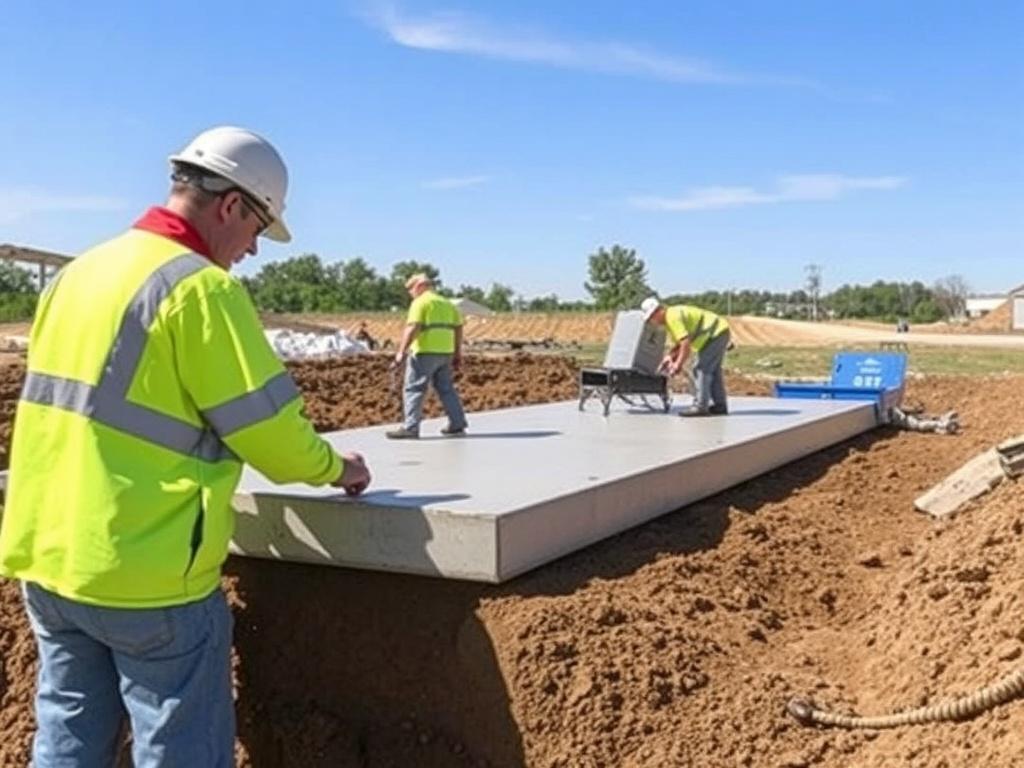
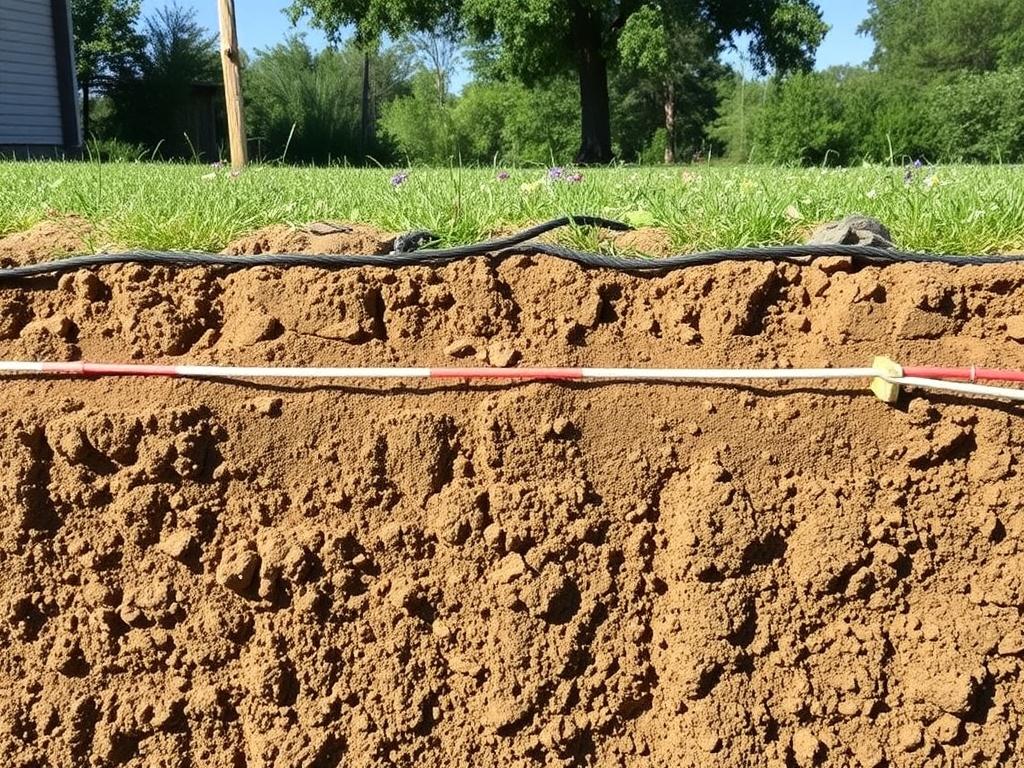
Successful membrane performance begins with the subgrade. Properly compacted, graded, and prepared subgrade reduces differential settlement and limits large voids that could puncture or stress the membrane. Remove sharp rocks, debris, and construction trash before the membrane goes down.
Many contractors place a thin layer of sand or fine granular material as a blinding layer to protect the membrane and provide a level surface. This layer also aids in even concrete support and reduces the risk of membrane puncture from aggregate spikes during concrete placement.
Placement and seam techniques
Overlapping, taping, and sealing seams are where installations succeed or fail. Overlap adjacent sheets at least 6 to 12 inches, depending on product instructions, and use the manufacturer-recommended tape or adhesive to seal seams. Avoid relying on simple overlapped but untaped joints when vapor control is critical.
Ensure laps are oriented over the subgrade so water flows across seams rather than into them. Where possible, use membranes with factory-applied selvedge or welded seams for added reliability on large projects.
Protecting the membrane during construction
Traffic, placing rebar or slabs directly on the membrane, and equipment movement are common sources of damage. Protect the installed membrane with a sacrificial layer, such as geotextile fabric or boards, especially in areas where heavy equipment will pass.
Coordinate with the concrete crew to place reinforcement on chairs and avoid dragging rebar across the membrane. Some projects place reinforcement directly on the membrane with protective shims to hold it at the correct elevation; others use tying to embedded items after the pour.
Penetrations, joints, and transitions
Penetrations for plumbing, electrical, and HVAC create weak points in any vapor control strategy. Each penetration must be detailed: sleeves, collars, or boots that are sealed to the membrane and to the penetrating element reduce the risk of vapor leakage.
Control joints and expansion joints also require attention. If the membrane is continuous beneath the slab, it should pass under joint materials and be sealed around joint filler. Isolation joints at foundations or slabs adjacent to different structures must also be detailed so movement doesn’t tear the membrane.
Interplay with radon mitigation and drainage
Under-slab membranes can double as a component of radon mitigation when installed in conjunction with a depressurization system. A continuous membrane provides a relatively gas-tight plane that a vacuum pipe can use to draw soil gas away from occupied spaces.
Drainage layers beneath the slab—such as a coarse gravel layer or a dimpled drainage mat—can be used where subsoil is very wet. Drainage solutions should be coordinated with the membrane: either the membrane sits on top of the drainage layer, or the drainage layer is integrated into a system that prevents water accumulation under the slab.
Choosing thickness and material based on risk
There is no one-size-fits-all thickness. For light residential use over well-drained soils, 6–10 mil polyethylene is common. For commercial projects, industrial floors, or poor soils, specify heavier, reinforced sheets or composite membranes with lower permeance and higher puncture resistance.
Consider long-term durability, jobsite traffic, and the value of the finished floor when choosing a product. Investing in a more robust membrane often pays back quickly when it prevents costly flooring failures and callbacks.
Testing moisture in the slab: methods and timing
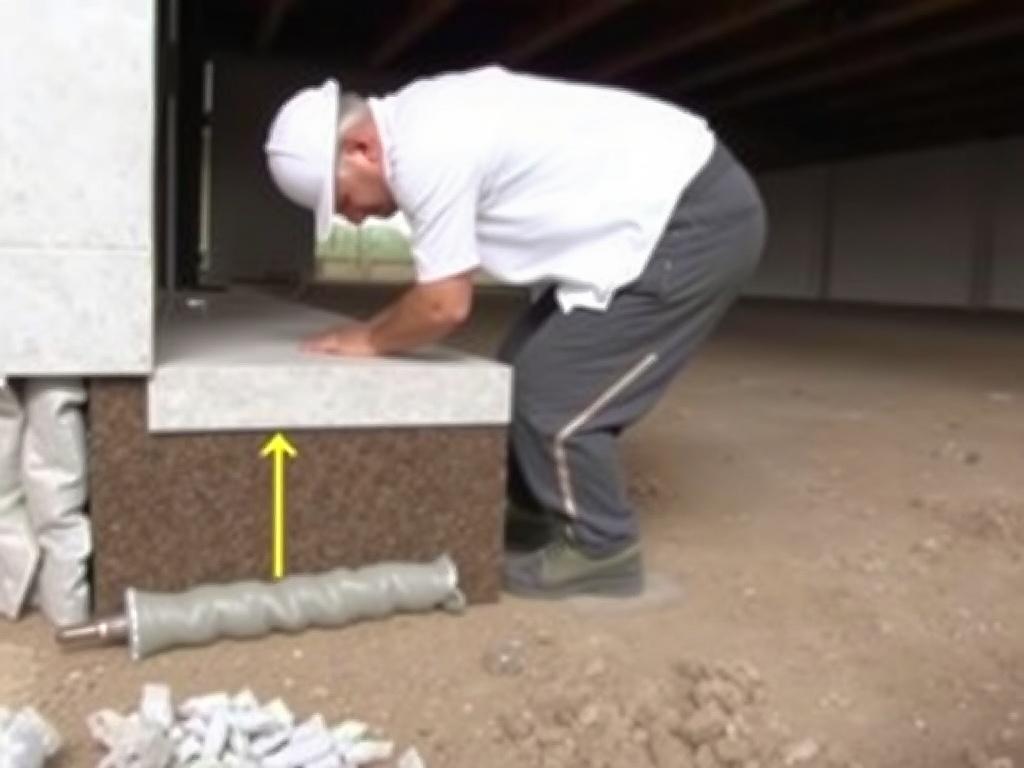
Two standard approaches to verify moisture conditions in a hardened slab are in-situ relative humidity (RH) testing (ASTM F2170) and surface moisture tests such as the calcium chloride method (ASTM F1869). RH testing gives internal slab conditions and is now widely preferred for determining readiness for floor coverings.
Timing matters. RH probes require holes drilled into the slab and a waiting period before testing; they are typically performed 7 to 28 days after slab completion, depending on the test protocol and the intended floor finish. Where an under-slab membrane was used, RH readings should be lower—but you still need to verify compliance with manufacturer limits for adhesives and finishes.
Concrete mix design and slab finishing considerations
The moisture content of the concrete itself and the curing regime influence long-term slab moisture. Low water-cement ratio mixes reduce drying time and shrinkage, while admixtures like fly ash or slag can alter drying characteristics. Discuss mix design with the concrete supplier if floors are moisture-sensitive.
Curing is also important: wet curing or proper curing compounds reduce plastic shrinkage cracking and contribute to a more predictable moisture profile. However, over-curing a slab without adequate ventilation can prolong high internal humidity—coordinate curing practices with slab drying and RH testing schedules.
Common mistakes that cause failures
Some failures are simple and avoidable: failing to overlap seams sufficiently, leaving the membrane exposed to construction traffic, cutting the membrane for rebar with no repair, or omitting details around penetrations. Each of these errors creates pathways for vapor to move up into the slab.
Another common mistake is poor communication between trades. Flooring installers often assume the slab meets moisture requirements without seeing documentation; general contractors sometimes assume the concrete crew will handle membrane protection. Clear responsibilities and checklists prevent such misunderstandings.
Remediation strategies for moisture problems after the slab is poured
If testing reveals high moisture after a slab is in place, options are limited but not nonexistent. Surface-applied moisture mitigation systems—epoxy moisture barriers, primers, or topical sealers—can reduce vapor emission enough to allow some floor coverings. These are applied after surface prep, and their effectiveness depends on the product and the residual moisture level.
In severe cases, installing a floating floor with an air gap and mechanical ventilation or using engineered flooring designed for high-moisture conditions may be the practical solution. Complete remediation under an existing slab without demolition is rarely feasible.
Cost and lifecycle considerations
Under-slab membranes add material and labor cost up front, but they reduce the probability of expensive failures in the first years of occupancy. Weigh that investment against the value of the floor finishes and the disruption of repairs later. In my experience, clients who skimp on membranes often pay two to five times more when adhesives fail or new floor finishes have to be installed.
Consider warranty terms from flooring manufacturers: many require specified moisture-control measures to maintain product warranties. Include these requirements in contract documents so the owner and contractor understand the long-term implications of the chosen approach.
Specification tips and sample language
Clear specification language prevents arguments later. Define the membrane type, minimum perm rating or class, thickness, seam requirements, penetration details, and protection measures. Also require documentation and testing—both installation inspection and post-pour moisture testing.
Here is a short sample clause you can adapt for project specifications:
- Provide continuous under-slab vapor retarder, minimum [10 mil cross-laminated polyethylene] with maximum permeance of [0.1 perms], installed in accordance with manufacturer instructions.
- Seal all seams with specified tape; provide protective covering over membrane where construction traffic will occur.
- Perform in-situ RH testing per ASTM F2170 at [7/14/28] days; furnish test reports to the architect and owner prior to flooring installation.
Inspection checklist for contractors and owners
Use a short checklist during construction to keep everyone on the same page. Items should include subgrade cleaning, membrane continuity, lap widths, seam sealing, penetration detailing, and temporary protection measures. Have a responsible party sign off before concrete pouring begins.
A short practical list:
- Subgrade free of debris and sharp objects.
- Blinding layer or sand placed as specified.
- Membrane installed with specified overlap and taped seams.
- Penetrations sleeved and sealed.
- Protective covering applied where traffic or equipment operations occur.
Real-life example: what went wrong on a multi-family project
On a multi-family renovation I supervised, the contractor installed 6 mil film over a poorly compacted subgrade and skipped protective cover because of schedule pressure. After a few months of occupancy, wood flooring in several units delaminated and cupped. RH testing showed high internal slab humidity despite the film.
Investigation revealed torn film at multiple spots from rebar placement and heavy tool traffic; seams were only overlapped, not taped. The repair required removal of finishes and application of an epoxy moisture barrier, which cost the owner more than three times the original membrane would have cost. The lesson was clear: proper material selection and installation matter more than the perceived savings from a cheap product.
When to involve design professionals
If soils are known to be high in moisture, if radon is a concern, or if finishes are particularly sensitive (like moisture-sensitive adhesives, hardwood, or linoleum), involve an engineer or building scientist early. They can run hygrothermal models, specify a robust membrane system, and coordinate radon mitigation when necessary.
Design professionals can also help evaluate tradeoffs: whether to place a drainage layer under the membrane, where to locate vents for a depressurization system, and how to sequence curing, testing, and flooring installation to minimize risk.
Long-term performance and maintenance
Under normal conditions a properly installed membrane will remain effective for the life of the slab. Problems typically appear in the first few years if installation errors were made. Periodic moisture testing is rarely necessary after occupancy unless a change in building use or persistent floor problems emerge.
Keep records: the as-built membrane type, test results, and details around penetrations and joints. Those records become invaluable if flooring failures show up years later and decisions about warranty coverage or remediation arise.
Innovations and new materials to watch
Manufacturers continue to develop hybrid membranes that pair a tough physical layer with lower perm liners and integrated seam tapes. Some underlayments now include a factory-applied protective geotextile that reduces the need for separate blinding or protection layers during construction.
Also pay attention to advances in moisture testing and mitigation chemicals. Better epoxies and cementitious coatings offer more options for remediation when pre-placement protection was inadequate, and improved testing technology helps diagnose issues sooner and more reliably.
Summary of best practices
To summarize the practical takeaway: evaluate soil conditions, select a membrane with appropriate permeance and puncture resistance, prepare the subgrade properly, seal and protect seams and penetrations, and document performance with standardized testing. Coordination between trades and clear specification language minimize surprises.
When done right, under-slab vapor control prevents the most common cause of early flooring failures and often pays for itself in avoided repair costs and reduced occupant disruption.
Next steps for a project
If you’re planning a new slab, start by reviewing soil reports and planned floor finishes. Work with your concrete supplier and flooring contractor to reconcile drying schedules, curing, and RH testing milestones so the project flows from slab placement to finished floors without moisture-related delays.
On existing floors with unexplained problems, obtain RH and surface moisture tests before selecting a remediation strategy. Sometimes a topical system will be appropriate; other times, more extensive work is required. Accurate diagnosis guides the right, cost-effective cure.