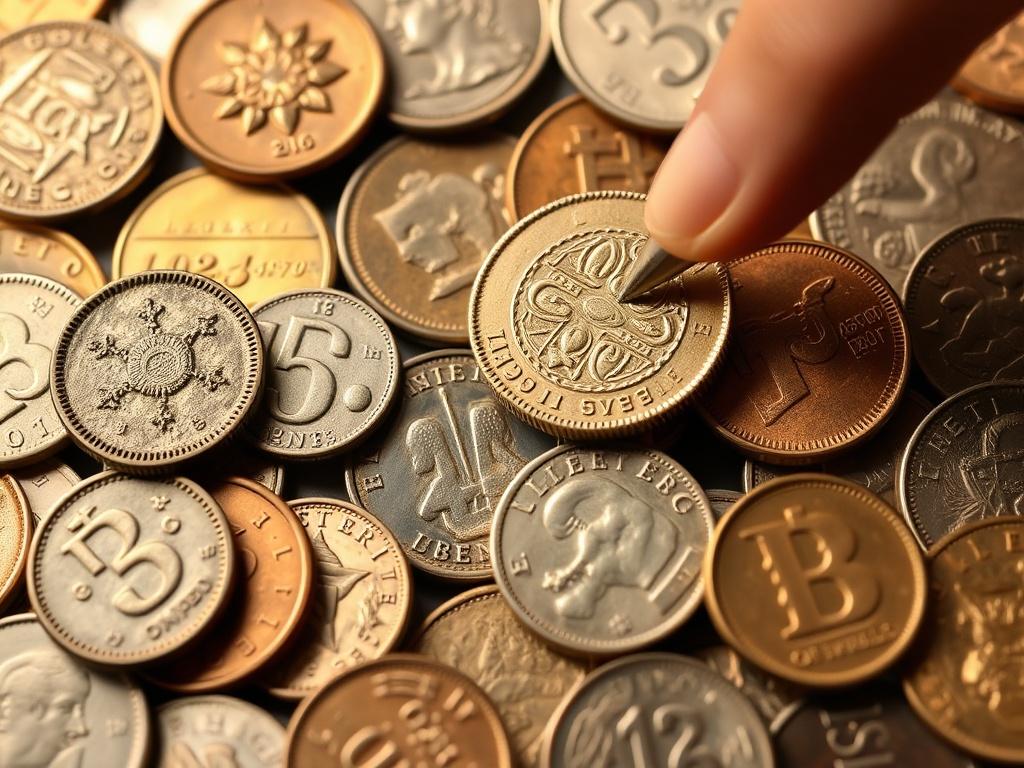
Most of us have coins tucked away in jars, drawers, or forgotten in old wallets. Some are sentimental, others are merely clutter. Every so often one of those pieces of metal turns out to be more than small change — and understanding why requires curiosity, method, and a few trusted tools.
Why old coins often matter more than their face value
Сoin value checker are tiny history lessons. They carry the art, politics, and technology of the era that produced them, which is why collectors pay attention to dates, designs, and mint marks.
Beyond history, value emerges from scarcity and condition. A coin minted in millions can be nearly worthless, while a scarce variant or an error strike might be worth many times its face value.
Emotional value matters too. Family heirlooms or pieces tied to a memorable event can be priceless to one owner while being marketable to another. Recognizing that difference helps set realistic expectations when you decide to sell or insure a piece.
Key factors that determine a coin’s worth
Condition and grading
Condition is arguably the single most important factor in pricing coins. Collectors and dealers evaluate how much wear a coin has suffered, whether scratches or corrosion are present, and how sharp the original details remain.
Professional grading services use a 70-point scale, where higher numbers indicate better preservation. Even small differences in grade can mean large swings in price for desirable dates and types.
Rarity and mintage figures
Rarity comes from low mintage, survival rates, or variants that went unnoticed at the mint. Some coins had small production runs or were melted, and others survived in poor condition so few pristine examples exist.
Mintage numbers are a starting point, but actual market rarity depends on how many examples remain and how many collectors want them. A low mintage alone doesn’t guarantee high value if demand is weak.
Demand and collector interest
Collecting trends shift over time. A design once overlooked can suddenly be fashionable, pushing prices up. Demand is influenced by aesthetics, historical significance, and the prominence of certain collecting programs.
Regional interest also matters. A coin that’s highly sought after in one country may be less desirable elsewhere, so understanding your buyer pool helps when pricing and selling.
Mint marks and provenance
Mint marks identify where a coin was struck and often affect value. A Philadelphia, Denver, San Francisco, or other mint mark can change a coin’s scarcity profile and desirability.
Provenance — a documented ownership history — boosts value for high-end pieces. Coins that come from famous collections or have clear auction pedigrees command premium prices among serious collectors.
Errors, varieties, and unusual features
Mistakes at the mint often create the most exciting finds: doubled dies, off-center strikes, die cracks, and incorrect planchets. These error coins attract specialized collectors and can fetch prices far above standard examples.
Varieties, such as small design differences between issues, are cataloged by specialists. Learning to spot them is a skill that separates casual finders from knowledgeable collectors.
Tools and resources to evaluate coins at home
You don’t need a lab to begin assessing a coin. A good loop (10x to 20x magnification), a soft-bristle brush, and a ruler will reveal most details that matter for initial evaluation.
A digital scale and calipers help confirm metal content and dimensions when a coin’s authenticity is in question. Precious-metal content and weight are key for older gold and silver issues.
Reference books, price guides, and reputable websites provide market context. Auction databases show what actual buyers paid, which is more useful than list prices for understanding current demand.
Step-by-step process for checking the value of old coins
When checking the value of old coins, begin with simple, non-invasive observations and work toward expert opinions only if the coin appears promising. This stepwise approach keeps costs down and avoids damaging a potentially valuable piece.
Inspect visually for date, mint mark, and obvious errors.
Use magnification to assess wear and surface condition.
Compare with reference photos and catalog descriptions.
Search auction records for similar dates and grades.
Decide whether to get professional grading or consult a dealer.
Start slow. Many coins are common and over-eager cleaning or testing can reduce value. Patience and careful comparison are your best first tools.
How to grade coins without professional services
Learn the basics of grading to save time and avoid unnecessary fees. Key points are the sharpness of design elements, the presence of original luster, and the extent of surface marks.
Look at the highest points of the design — they show wear first. On many coins that means the cheek, hair, or central devices; if those are smooth, the grade will be lower.
Be conservative in your self-assessment. Most collectors and dealers prefer a lower honest grade than an enthusiastic overgrade. If in doubt, take good photos and seek a second opinion.
Professional grading: when it makes sense
Third-party grading services provide authentication, an impartial grade, and encapsulation. This can increase buyer confidence and often improves resale prices for high-value coins.
Consider grading when a coin is rare, in high grade, or likely to sell at auction. For common coins or low-value pieces, grading fees can exceed any gain in market price.
Major graders include PCGS and NGC. Each has submission tiers, turnaround times, and associated costs; research current fees and service levels before sending anything in.
Common red flags and scams to avoid
Beware of too-good-to-be-true offers and pressure to sell immediately. Con artists will promise top dollar, create a sense of urgency, or buy quickly at a low price to flip later.
Counterfeit coins exist and vary in sophistication. Learning basic authentication checks for weight, diameter, and magnetic properties prevents common pitfalls.
Unnecessary cleaning is another frequent mistake. Abrasive cleaning, chemical baths, and polishing all strip away surfaces that collectors prize. When in doubt, leave it alone and seek advice.
Where to research values: guides, auctions, and online tools
Price guides give a snapshot of the market, but they are not gospel. Guides aggregate dealer listings and retail prices; use them as a starting point rather than a final word.
Auction results tell what buyers actually paid. Review completed auctions on major platforms and specialist houses to see realized prices and buyer interest levels.
Forums and collector communities can also help. Share clear photos and measurements; experienced members often point out details that change a coin’s identity or value.
Choosing where to sell: pros and cons of major venues
Selling platforms each have trade-offs in fees, audience, and speed. Online marketplaces reach many buyers but come with listing fees, shipping responsibilities, and variable buyer expertise.
Dealers offer convenience and immediate payment. Expect to receive wholesale or dealer-level bids rather than retail prices, but use dealers when you need a fast, safe sale.
Auction houses can yield top dollar for rare or desirable coins. Understand reserve fees, seller commissions, and the time it takes to get payment before committing to an auction route.
Quick comparison table: selling options
Venue
Pros
Cons
Online marketplaces
Wide audience, control over listing
Fees, shipping risk, buyer disputes
Coin dealers
Fast sale, knowledgeable buyers
Lower prices, less competition
Auction houses
Potentially high prices for rarities
Commissions, waiting period, variable results
Coin shows
Face-to-face negotiation, immediate feedback
Travel, table fees, limited buyer pool
Packaging and presenting coins for sale
Presentation affects perceived value. Clean, well-lit photographs with scale references build trust when selling online. Show obverse and reverse, plus any mint marks or damage.
Store and ship coins in inert holders such as Mylar flips, hard plastic holders, or sealed slabs when graded. Avoid PVC materials that can harm surfaces over time.
Include measurements, weight, and any provenance in your listings. Transparent descriptions reduce disputes and encourage serious offers.
How to authenticate suspect coins
Start with simple non-destructive checks: weight, diameter, thickness, and magnetism compared to known standards. Deviations often indicate modern counterfeits or altered pieces.
Advanced authentication may require XRF analyzers, specific gravity tests, or microscopic examination. These are typically available through coin dealers, universities, or professional labs.
If a coin is potentially valuable, err on the side of professional examination. Authentication protects both your buyer and your reputation as a seller.
Preserving coins: storage and handling best practices
Handle coins by the edges to avoid oils and fingerprints. Wear soft cotton gloves for high-grade or valuable pieces to minimize contamination.
Store coins in a stable, low-humidity environment away from direct sunlight. Acid-free coin holders, albums designed for collectors, and climate-controlled safes extend preservation.
Avoid DIY cleaning. If a coin has active corrosion or verdigris, consult a conservator. Improper treatment often destroys numismatic value in an attempt to improve appearance.
Understanding silver and gold content in old coins
Many older coins contain significant precious metal content, which establishes a baseline “melt” value tied to current bullion prices. For investors this floor can be important.
However, numismatic premiums often exceed metal value for collectible coins. A well-preserved silver coin can trade for far more than its silver weight if collectors seek that date and strike.
When assessing bullion content, account for alloy composition. Some coins are sterling silver (92.5%), others are .900 fine, and certain modern commemoratives use different standards.
Real-life examples and lessons learned
I once inherited a modest box of coins from a relative. Most turned out to be common circulation dates, but one oxidized silver coin sparked my curiosity and led to a deeper dive into grading and auction records.
After photographing and researching the piece, I discovered it was a well-preserved early-20th-century issue with a small mint-run. The advice I received from a seasoned dealer helped me choose an auction consignor rather than a quick dealer sale.
The coin sold for several times what a dealer had initially offered, and the experience taught me to verify, document, and be patient when handling potentially valuable items.
Specialized collecting niches that can increase value
Some collectors focus on themes like proof sets, mint errors, specific years, or designer series. Narrow niches often create passionate demand and less price volatility for key items.
Examples include proof-only varieties, commemorative issues with low survival rates in high grades, or coins with famous designer initials. Identifying a specialty can change how you research and market a coin.
Joining a specialty club or online group exposes you to experts who can spot subtle varieties and direct you to the right buyers for those niches.
Taxes, estate planning, and legal considerations
Selling valuable coins can trigger tax obligations. Capital gains rules, reporting requirements, and local sales taxes vary, so consult a tax professional if you expect significant proceeds.
For estates, appraisals establish value for beneficiaries and insurance. Consider documenting collections with photographs, receipts, and professional appraisals to simplify future decisions.
Insure high-value coins under a collectibles policy or a scheduled items clause in a homeowner’s policy to protect against loss, theft, and damage.
How to build your knowledge over time
Start with a focus: pick a series, era, or metal that interests you. Depth beats breadth for new collectors, making it easier to recognize important dates and tell genuine pieces from common ones.
Read auction catalogs, join local clubs, and visit coin shows. Seeing coins in person and conversing with dealers accelerates learning in ways that books and photos cannot match.
Keep a simple catalog of your own discoveries, recording dates, grades, and prices. Over time that log becomes a personal market reference and a record of your progress.
Practical checklist before selling any coin
Document the coin with clear photos and measurements.
Research recent auction results and price guide ranges.
Decide whether to seek grading or sell raw based on potential value.
Choose an appropriate selling venue and understand fees.
Package securely and insure shipments when sold online.
Following this checklist prevents hasty decisions and improves outcomes, whether you plan to sell one coin or clear an entire collection.
Negotiation tips for dealing with dealers and buyers
Know your bottom line before starting negotiations. Dealers expect room to buy and resell; your aim is to balance fairness with market reality.
Ask questions about how the buyer arrived at their figure. Dealers who explain grading, market references, or restoration concerns build trust and create a path to a better offer.
Be willing to walk away. If a dealer’s price is significantly below research-based expectations, use that time to seek additional opinions or auction estimates.
When to involve a professional appraiser
Hire an appraiser for insurance, estate valuation, or when a group of coins could be worth several thousand dollars. Appraisers provide documentation accepted by insurers and courts.
Choose someone accredited by recognized bodies and with specific numismatic experience. Ask about their methodology and whether they focus on replacement cost or market value.
Appraisals cost money, so reserve them for items where the expense is justified by expected value or legal necessity.
What to expect at a coin show or club meeting
Coin shows bring together dealers, collectors, and graders in one place. They are ideal for face-to-face negotiation, immediate feedback, and hands-on comparison with known specimens.
Clubs often host speakers and workshops that deepen knowledge. Bring a few coins for quick opinions, but avoid expecting definitive appraisals on the spot — take notes and follow up if something looks promising.
Shows also provide a barometer for market sentiment. Seeing how dealers price similar coins gives insight into local and national demand.
Online selling best practices
Provide honest, detailed descriptions and multiple high-quality images. Transparency reduces returns and attracts serious buyers willing to pay fair prices.
Use tracked and insured shipping for valuable items and require signature on delivery. Maintain clear communication with buyers and preserve packaging records until funds clear.
Be aware of platform policies and fees, and factor them into your reserve price or listing strategy to ensure the sale remains profitable.
Long-term strategies for safeguarding inherited or discovered collections
Inventory everything, even items that seem common. A surprising gem might sit beside everyday pieces, and documentation prevents oversight during estate transfers.
Consider professional storage for extremely valuable collections. Bank safe deposit boxes or specialty vault services provide climate control and security beyond typical home options.
If you plan to sell over time, stagger offerings to avoid flooding the market and depressing prices. Selling thoughtfully preserves value and lets you capitalize on demand cycles.
Final practical tips to remember
Patience pays off. Rushing to sell often results in lower returns; research and measured steps usually earn better outcomes and lower stress.
Record-keeping is powerful. Receipts, photographs, and provenance notes increase confidence for buyers and protect you if disputes arise.
Stay curious and humble. The world of coins is broad and ever-changing; each find is an opportunity to learn something new and maybe uncover real value.