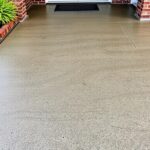
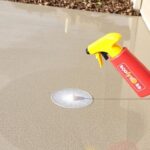
Choosing how to color concrete feels deceptively simple until you stand in front of a slab and try to imagine how it will look in sunlight, under foot traffic, and next to the rest of your design. Two popular methods—acid staining and dyeing—offer very different aesthetics, lifespans, and application experiences. This article walks through both options in depth so you can match the technique to your project, budget, and design goals.
Why color matters in concrete finishes
Concrete is a neutral canvas. Left bare it can look cold or industrial, but with color it becomes warm, rustic, modern, or decorative. The way a color interacts with texture, sealers, and light determines the final emotional impact of a space, whether it’s a patio, showroom floor, or kitchen island.
Beyond beauty, color methods change performance. Stains and dyes can alter how visible wear becomes, how easy repairs are, and how much maintenance a surface will need. Understanding these practical differences helps avoid surprises once people start walking on the finished slab.
How acid staining works
Acid stain is a chemical reaction between mineral salts in the stain and the free lime in the concrete. The stain doesn’t sit on top; it penetrates and reacts with the substrate, creating mottled, variegated tones that look naturally weathered. Colors tend to be earthy—browns, rusts, ochres, and some greens—because the reaction depends on underlying cement chemistry and aggregate exposure.
Applying acid stain involves etching or cleaning the slab, applying the stain in thin passes, allowing time for the reaction, and neutralizing any residue. The process is somewhat unpredictable by design; part of the appeal is that each slab develops a unique patina. The finish typically has low sheen unless a sealer or wax is applied afterward.
Advantages of acid staining
The key appeal of acid stain is its permanence. Because it chemically bonds with the concrete, it resists peeling and chipping in ways topical coatings cannot. It’s ideal when you want an integrated color that ages gracefully rather than a uniform paint-like finish that shows scuffs quickly.
Another advantage is the natural, variegated look. Interior designers and architects often choose acid stain when they want stone- or leather-like character from a single slab. For many modern and industrial aesthetics, the depth and randomness of acid stain are strengths rather than shortcomings.
Limitations of acid staining
Acid stains are limited in color range. Bright, saturated hues and deep blacks are difficult to achieve reliably because the chemistry only produces certain tones. Results are also substrate-dependent: two slabs treated the same way can look different if their cement mixes, ages, or moisture content vary.
There are also safety and handling concerns. Acid stains typically contain muriatic acid or other corrosive components, requiring protective equipment, careful ventilation, and neutralization steps. For DIYers unfamiliar with working safely with acids, this adds complexity and risk.
How dyeing concrete works
Concrete dyes are concentrated colorants, often solvent- or water-based, that penetrate pores and capillaries to color the surface. They do not depend on a chemical reaction with the cement and can produce a wide palette, including vibrant colors, translucent tints, and near-black shades. Dyes create a more uniform color field, though techniques like blending, spraying, or marbling can add variation.
Application requires clean, dry concrete and usually a preconditioning step with a primer or dye carrier, depending on the product. Dyes can be applied with sprayers, brushes, or sponges, and they soak into the concrete rather than simply resting on top. Because they don’t change the substrate chemically, dyes can be more predictable in color than acid stain.
Advantages of dyeing
The most obvious benefit of dyes is color flexibility. Manufacturers offer a vast spectrum, and it’s possible to mix custom shades with relative ease. Designers who need saturated hues, crisp color borders, or matching to a specific palette will find dyes essential.
Dyes can also produce very smooth, consistent results that are closer to a uniform pigment finish. They’re faster to apply than acid stains in many cases because they do not require the same reaction and neutralization steps, which speeds up project timelines.
Limitations of dyeing
Dyes tend to be more vulnerable to UV fading and wear, especially in exterior or high-traffic applications, unless a UV-resistant sealer is used. Because dyes are primarily physical colorants, they can sometimes sit more superficially and may need stronger or more frequent sealing to hold up over time.
Additionally, very dark or bright dyes can reveal surface imperfections and may require additional surface prep, like polishing or patching, to look consistent. For concrete with a lot of spalling, cracks, or variations, dyeing will not hide these issues as well as some other finishes might.
Comparing appearance and color range
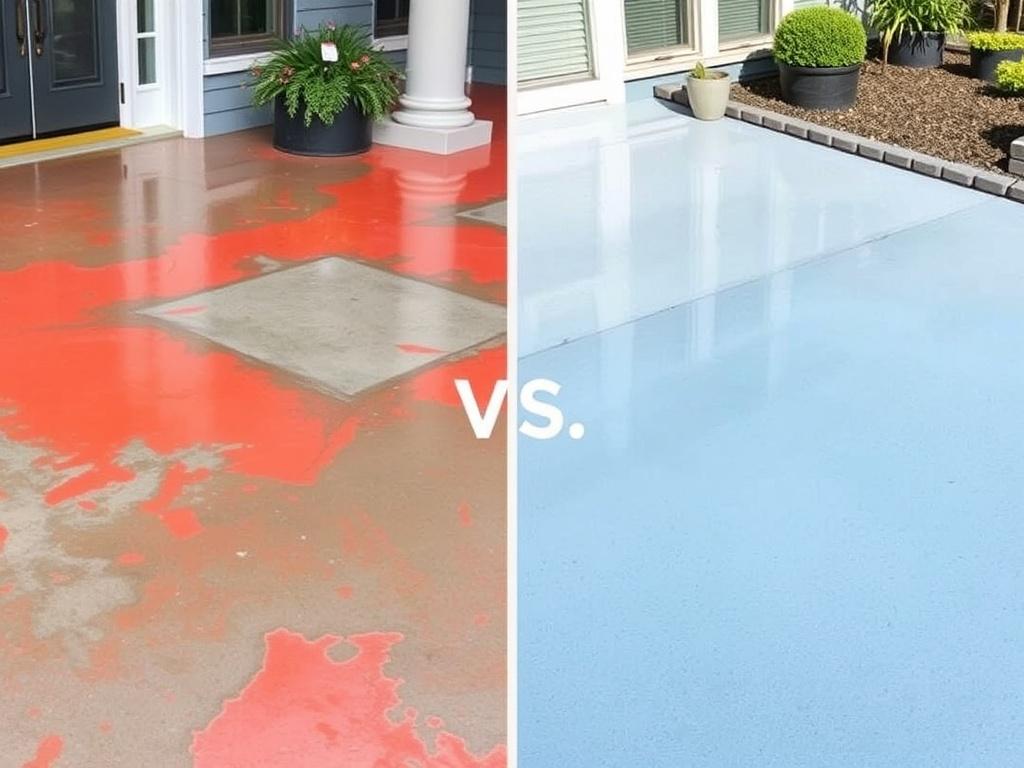
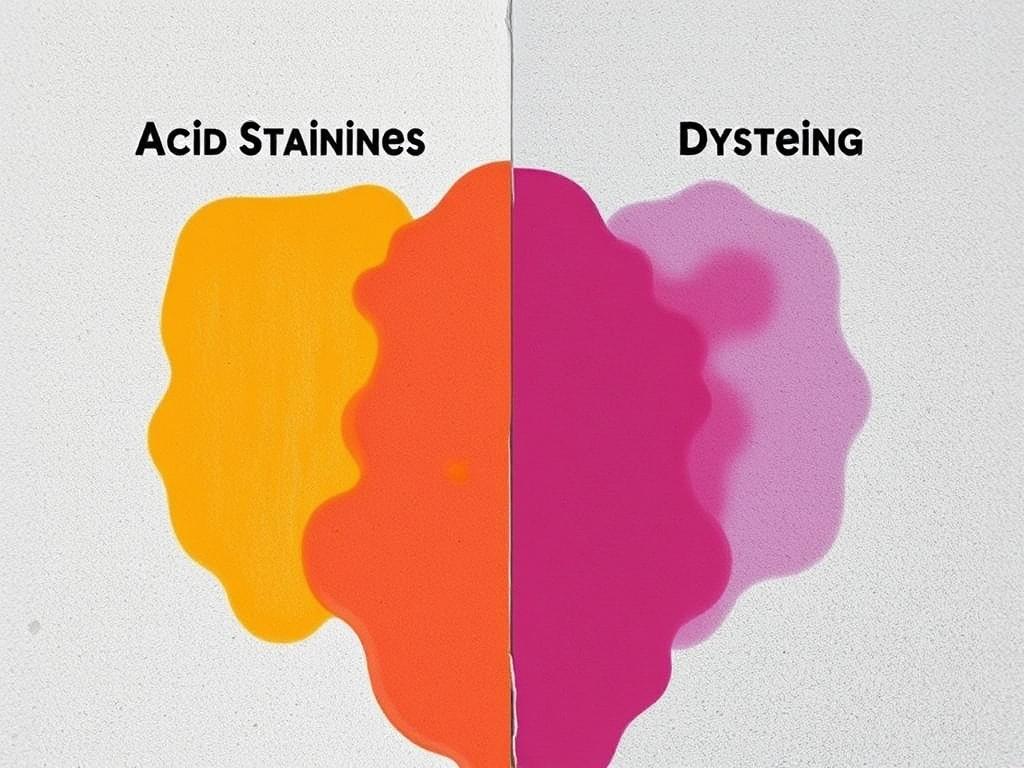
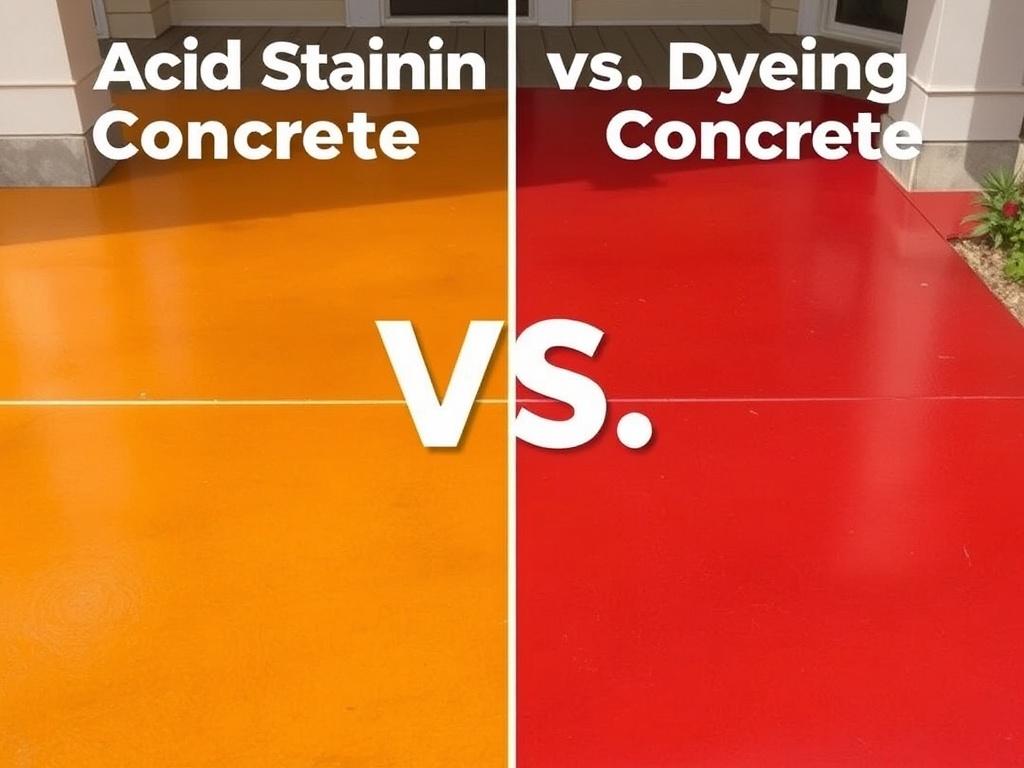
Acid stains produce layered, translucent color with organic mottling that mimics natural stone. The look is usually warm and variegated, with visible reactions neighboring the aggregate that add depth. If you want a finish that reads like aged limestone or leathered concrete, acid stain is often the right choice.
Dyes, on the other hand, deliver cleaner, more controlled color. They can be diluted for subtle tints or applied in strength for saturated results. For bold design statements—teal pool surrounds, charcoal basements, or tinted concrete countertops—dyes are the better tool.
How lighting and texture affect color perception
Light direction, intensity, and color temperature change how both stains and dyes read. Acid-stained surfaces respond well to raking light, which highlights the mottling and adds perceived depth. Dyes can appear flatter under diffuse light but maintain true hue more consistently.
Texture matters, too. Polished concrete with dye will look very different from the same dye on broom-finished concrete. Polishing can enhance clarity and depth for both methods, but it tends to favor dyes for crispness and stains for revealing mineral patterns.
Durability, maintenance, and lifespan
When sealed and cared for, both stains and dyes can last many years, but their failure modes differ. Acid stains are integrated and don’t flake, so wear tends to be gradual, showing as patina rather than obvious damage. Dyes may fade or be abraded depending on the sealer and traffic patterns, but they can sometimes be refreshed more easily than an acid-stained surface.
Routine maintenance for either system typically includes regular cleaning with pH-neutral cleaners and periodic reapplication of protective sealer. High-traffic commercial floors might need more frequent recoating regardless of the color method, while residential patios may hold up longer with periodic maintenance.
Repair and color touch-up
Repair strategies vary: acid-stained surfaces are difficult to touch up seamlessly because the chemical reaction and underlying concrete composition determine the color. You can sometimes blend repairs, but achieving a perfect match is challenging. Dyes, conversely, can be retouched and blended more predictably if the proper dye and sealer are used.
For visible patch repairs, consider planning color transitions with borders, rugs, or design features to hide inevitable variations. In commercial settings, modular overlays or polished chip systems are used when seamless repairability is a priority.
Application complexity and skill requirements
Both methods demand care, but their challenges differ. Acid staining requires handling hazardous chemicals properly and understanding how substrate chemistry affects color. Experience helps anticipate reactions and control mottling, so many homeowners opt to hire professionals for large or exposed projects.
Dye application can be more forgiving for color predictability but is unforgiving in surface prep. Any grease, old sealers, or surface contaminants will show through, so thorough cleaning and sometimes grinding or shot-blasting are necessary steps. For a DIYer with patience and good prep, dyeing is often the more accessible option.
Tools and equipment
Acid staining requires acid-resistant sprayers, protective gear, neutralizing agents, and adequate ventilation if used indoors. After the reaction, a thorough rinse and neutralization protocol must be followed to stop chemical activity. Dyeing uses sprayers or pump-up sprayers for even application and often benefits from an airless sprayer for large areas.
Polishing equipment, grinders, and pads are common to both methods when a polished finish is desired. These tools change the game: polished dye will appear more saturated, while polished acid stain will glow with depth and variation. Renting the right gear and learning safe operation pays dividends in the final result.
Cost comparison
Material costs alone are not the whole story. Acid stains and dyes themselves can be similarly priced depending on brand and color complexity, but the associated labor, preparation, and sealing influence total project cost. Professional installation of acid stain can be more expensive due to the added safety protocols and time to allow reactions and neutralization.
Dye projects can be quicker to complete, which reduces labor costs. However, achieving a high-end, durable dye finish may require better sealers, UV-stable products, and possibly a polishing step, which raises costs. Always get line-item quotes that include prep, materials, sealer, and post-installation care to compare apples to apples.
Environmental and safety considerations
Acid stains involve corrosive chemicals that require careful handling, neutralization, and disposal per local regulations. That increases both risk and environmental footprint if not handled correctly. Proper personal protective equipment and waste handling are non-negotiable for safe application.
Dyes can be solvent-based, water-based, or alcohol-based. Solvent-based dyes may emit more volatile organic compounds (VOCs) requiring ventilation and possibly respirators, while modern water-based dyes present a lower VOC profile. When sustainability is a concern, look for low-VOC products and contractors who follow environmentally responsible practices.
Best uses and design recommendations
Choose acid stain when you want a natural, variegated look that integrates with the concrete. It’s especially well-suited to rustic interiors, open-plan lofts, and patios where a weathered, earthy aesthetic is desirable. The natural randomness of acid stain often complements reclaimed wood, steel, and other raw materials.
Choose dyes when you need precise color matching, saturated hues, or bold design statements. Dyes are excellent for retail environments, hospitality interiors with branded palettes, and any installation where uniform color or high-contrast patterns are essential. They also work well on countertops and polished surfaces where clarity is prized.
Design tips for using stains and dyes
For acid-stained floors, let the natural variation be a feature: incorporate rugs, planters, or furniture to anchor the space rather than trying to force uniformity. If a more controlled but still organic look is desired, consider mixing acid stain with tinted sealers or applying dyes sparingly for accent areas.
With dyes, test samples under the same lighting conditions as the final installation. Small swatches often look different when scaled up and exposed to sunlight. Also consider layering dyes—applying a light base and selectively intensifying areas to create depth without full mottling.
Sealing: how to protect colored concrete
Sealers do double duty: they protect color from abrasion, chemicals, and UV, and they alter sheen and slip resistance. The right sealer choice depends on whether the surface is interior or exterior, high-traffic or decorative, and whether you want sheen or a matte finish. For both stains and dyes, skipping the sealer is a false economy if longevity matters.
There are breathable and non-breathable sealers. Breathable sealers are essential for exterior slabs that trap moisture; non-breathable films can look glossier but may fail by trapping moisture. Consult the product data sheet for compatibility with acid or dye products and consider professional guidance for high-risk or high-value surfaces.
Sealer types and effects
Penetrating sealers like silanes or siloxanes protect against water intrusion while preserving a natural look, which can be ideal for acid-stained patios. Film-forming sealers (acrylics, polyurethanes) add higher sheen and color enhancement and are often used inside for easier cleaning and stronger stain protection. Polyaspartic and epoxy coatings offer excellent durability but will substantially change the look and feel of the surface.
Topical finishes also affect maintenance. High-gloss films show scratches more readily but are easier to clean, while matte finishes hide imperfections but might require more frequent reapplication in high-traffic settings. Balance function and aesthetic when selecting a sealer rather than defaulting to whatever is cheapest.
Troubleshooting common problems
Blotchy or uneven color is a frequent complaint and usually traces back to inconsistent surface prep, moisture content, or contaminants. For dyes, poor penetration from residual sealers or oils causes spotty color; for acid stains, uneven reactions occur when the concrete’s pH or composition varies. Addressing these problems often requires grinding and restarting the process.
Fading and UV damage are preventable with proper sealer selection and maintenance. For exterior projects, choose UV-stable topcoats and plan for reapplication at manufacturer-recommended intervals. Don’t assume that a single application will last indefinitely—account for maintenance when evaluating lifetime cost.
DIY vs. professional installation
Smaller, controlled dye projects can be accessible for experienced DIYers with attention to prep and product directions. A well-prepared surface, test patches, and proper sprayer technique can produce excellent results in a weekend. However, large areas, complex patterns, or acid stains generally benefit from professional experience to ensure consistent chemical handling and appearance.
Hiring a pro is advisable when substrate conditions are unknown, when safety is a concern, or when the finished surface must meet aesthetic benchmarks. Professionals also bring equipment like grinders and high-end sprayers that influence both the look and durability of the job. If budget allows, a skilled contractor can save time and headaches.
Case studies and real-life examples
In one residential project I worked on, a sunken living room used acid stain to blend a concrete floor with reclaimed oak beams. The mottled brown tones softened the transition between raw wood and polished concrete and hid small imperfections that would have been glaring with a uniform color. The homeowners loved how the finish matured over a few months as traffic created subtle highlights.
Conversely, a boutique retail client I advised required brand colors strongly present on a polished slab. We chose water-based dyes followed by a UV-resistant topcoat. The result was vivid and consistent across multiple rooms, and when a high-traffic zone showed signs of wear after two years, we were able to spot-repair the dye and recoat the sealer to refresh the whole area without replacing the slab.
Comparison table: acid stain vs. dye
Attribute
Acid stain
Dye
Color character
Variegated, natural, earthy
Uniform to vibrant, broad palette
Permanence
Chemically bonded, long-lasting
Penetrating but may fade without sealer
Predictability
Less predictable; substrate-dependent
More predictable and controllable
Safety
Requires handling acids and neutralizers
Varies; solvent-based dyes may emit VOCs
Repairability
Difficult to match exactly
Easier to touch up and blend
Best for
Rustic, natural finishes; patios, floors
Brand colors, polished surfaces, vivid designs
Practical decision checklist
To decide between staining and dyeing, evaluate the substrate condition, desired aesthetic, exposure to sunlight, and long-term maintenance tolerance. If the slab is old, variable, and you want a natural patina, acid stain is compelling. If you need precise color or glossy clarity, dye is usually a better bet.
Check moisture and contaminants before choosing a method.
Test both on the actual slab to preview results.
Factor in sealer type and maintenance when comparing upfront costs.
Step-by-step summary of each method
Acid staining generally follows these broad steps: clean and etch the slab, apply stain in thin passes, allow the chemical reaction to occur, neutralize and rinse, let dry, and seal. Each step affects the final color and safety, so rushing or skipping steps is likely to produce disappointment. Temperature and humidity also influence reaction speed and should be accounted for in scheduling.
Dye application typically includes cleaning and grinding if necessary, pre-wetting or priming depending on product, spraying or applying the dye evenly, allowing drying time, and then sealing with an appropriate topcoat. For polished floors, multiple stages of polishing and dye application can produce a depth and clarity that mimics stone or glassy finishes.
Legal and code considerations
Some commercial spaces must meet fire codes, slip resistance ratings, or VOC limits. Epoxy, polyaspartic, and certain solvent-based sealers may not be permitted or may require specific ventilation and signage during installation. Check local building codes and ask product manufacturers for compliance documentation when planning a commercial installation.
Also consider warranty implications. Some manufacturers require certified applicators to maintain product warranties. If you opt for a cheaper installer or DIY approach, you may forfeit warranty protection even if the materials themselves are warranted.
Final recommendations for common projects
For patios and exterior walkways where a lived-in, natural look is desired, acid stain often gives the best compromise between durability and charm. Pair it with a breathable penetrating sealer to protect against freeze-thaw cycles and moisture. Expect subtle variation and plan landscaping to complement the tones rather than compete with them.
For retail, offices, kitchens, and countertops where exact color and a polished appearance matter, dyes combined with high-quality sealers or polishing systems will deliver the most reliable results. Schedule maintenance and protect high-wear areas with mats or area rugs to extend the life of the finish.
Ultimately, the choice between acid staining and dyeing concrete is not about which method is categorically better, but which is better suited to your design intent, substrate condition, and maintenance expectations. Test, plan, and protect your investment, and the right color approach will reward you with years of service and beauty.