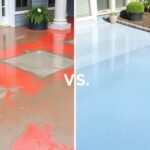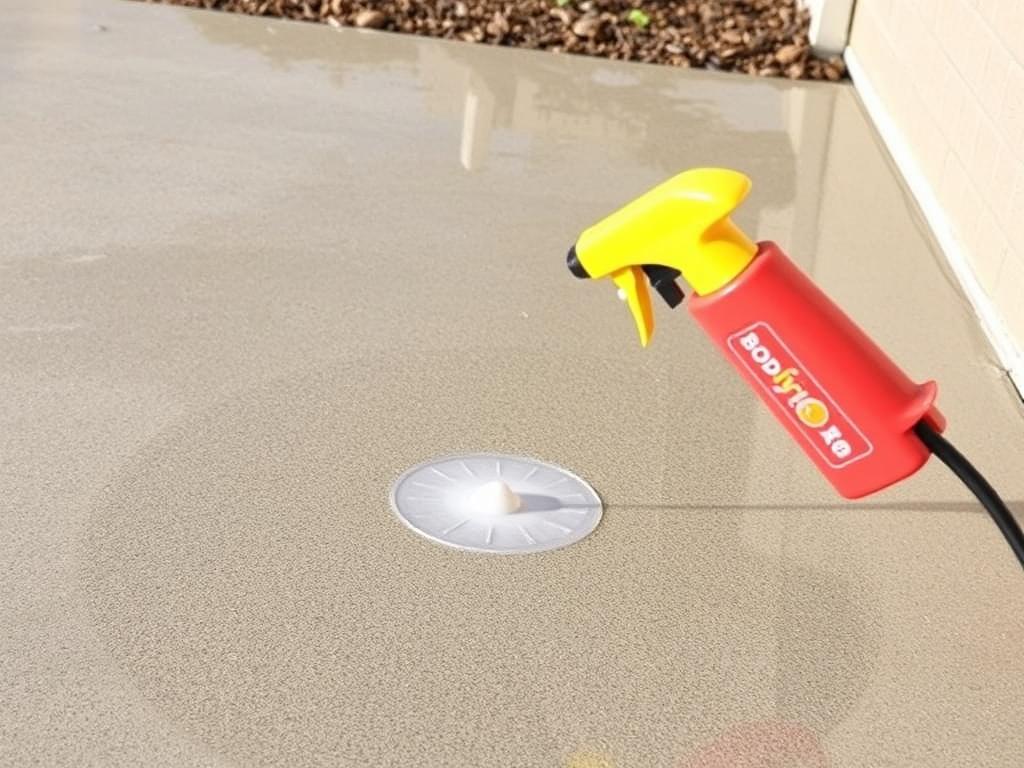
Concrete can seem indestructible until it stains, cracks, or flakes away. This article walks through the practical steps for proper cleaning and sealing of concrete surfaces, from diagnosing problems to choosing the right sealer and applying it correctly.
Why cleaning and sealing matter
Concrete is porous and reactive: it absorbs water, oils, salts, and pollutants that can degrade its appearance and structure over time. Left untreated, small stains become embedded and freeze-thaw cycles or chemicals accelerate spalling and cracking.
Cleaning removes contaminants that would otherwise be trapped under a sealer, and sealing adds a protective barrier that repels water and resists staining. Together they extend the life of patios, driveways, garage floors, and pool decks while improving safety and curb appeal.
Beyond looks, sealing preserves the concrete’s functionality. A properly chosen sealer reduces dusting, limits salt intrusion in cold climates, and can make surfaces easier to clean and less slippery when textured appropriately.
Know your surface: types of concrete and common issues
Not all concrete is the same: cast-in-place slabs, stamped patios, exposed aggregate, polished floors, and engineered overlays behave differently. Age, mix design, finishing technique, and whether the concrete was cured properly will influence cleaning and sealing strategy.
Common problems include oil stains from vehicles, rust from embedded metal or nearby hardware, efflorescence from soluble salts, biological growth in shaded areas, and surface deterioration from de-icing salts or acid exposure. Identifying the dominant issue guides product and method selection.
New concrete is porous and contains excess moisture; sealing too soon traps that moisture and can lead to adhesion failure or blistering. The typical waiting period is 28 days for curing, though moisture testing is the more reliable way to confirm readiness.
Inspection and preparation: the groundwork for success
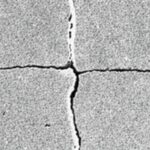
Begin with a methodical inspection: look for cracks wider than 1/8 inch, spalled patches, active water leaks, and previous coatings that may need removal. Note areas with heavy oil contamination or biological growth that require special treatment.
Preparation often takes longer than the actual sealing. Proper cleaning, repairs, and surface profiling are essential; a sealer can’t bond to loose material or hide underlying structural defects. Treat preparation as the core of a lasting job.
Simple tests help prioritize work. Use a garden hose and watch water absorption; fast beading indicates an existing repellant layer. For new slabs, a plastic sheet moisture test or a calcium chloride test gives a clear picture of residual moisture.
Checklist of tools and safety gear
Gather PPE: chemical-resistant gloves, eye protection, waterproof boots, and, for some cleaners and sealers, an appropriate respirator. Keep a supply of clean rags, push brooms, and a stiff-bristled brush on hand for detailed work.
Essential tools include a pressure washer (with adjustable PSI), a garden sprayer or pump sprayer for cleaners, a long nap roller or squeegee for sealer application, and a grinder or diamond cup wheel if mechanical profiling is required. Have neutralizing agents on hand for acids.
Cleaning methods: from sweeping to pressure washing
Start with the simplest steps: sweep or blow away loose debris and dust to reduce abrasive particles that could scratch a finish or interfere with chemical action. For lightly soiled surfaces, a detergent wash with a stiff brush and a rinse is often sufficient.
Pressure washing is the workhorse for exterior concrete. Adjust PSI to the task—2,000 to 3,000 PSI typically removes built-up grime and most stains on horizontal surfaces, but test a small inconspicuous area to avoid surface damage. Keep the nozzle at an angle and move evenly.
When using detergents or concrete cleaners, choose products formulated for masonry. Apply according to manufacturer directions, allow dwell time for breaking down contaminants, then rinse thoroughly. Never mix incompatible chemicals; residue will interfere with sealer adhesion.
Using chemical cleaners and degreasers
Petroleum-based stains require a degreaser or emulsifier. Workable options include commercial concrete degreasers, citrus-based cleaners, or a household detergent for light staining. For older, deeply set oil, a solvent soak or poultice may be necessary.
Rust stains need chelating agents or acid-based rust removers designed for masonry. Follow manufacturer instructions closely and neutralize after treatment to prevent ongoing chemical action. Avoid using hydrochloric (muriatic) acid liberally without experience—misuse damages the surface.
For mold and mildew, oxidizing cleaners containing sodium percarbonate or diluted bleach solutions remove organic growth and lighten discoloration. Use care with bleach near plants and metallic fixtures, and always rinse thoroughly.
Deep stains: poultices, grinders, and specialty techniques
When stains have penetrated the concrete matrix, consider a poultice: mix an absorbent material (diatomaceous earth, cellulose) with a suitable solvent or cleaner, apply a thick layer, cover to slow evaporation, and draw the stain out over days. This can be slow but effective.
Mechanical methods—grinding or shot blasting—remove the stained surface layer and profile concrete for adhesion. These methods produce dust and require protective equipment, but they are definitive for paint removal, epoxies, or deeply penetrated contaminants.
For delicate decorative concrete, use the mildest effective approach. Aggressive grinding can change appearance; sometimes multiple gentle chemical treatments are preferable to preserve texture and color.
Repairing and preparing the surface before sealing
Fix structural issues first. Fill hairline cracks with a flexible, polymer-modified sealant and address wider cracks with routed and sealed repair joints or repair mortars. Patching materials should bond mechanically and have similar thermal characteristics to the surrounding concrete.
Spalled areas require removal of loose material, cleaning, and application of a compatible repair mortar. For thin toppings and overlays, maintain adequate profile and keying for bonding, and follow manufacturer instructions for substrate moisture and priming.
For polished or densified floors, repairs should match finish expectations. Some densifiers can be re-applied after patching, but consult product data to ensure compatibility and color match.
Choosing the right sealer: science and practicality
Sealers fall into two broad categories: penetrating and topical. Penetrating sealers (silane, siloxane, silane-siloxane) soak into the concrete and form a water-repellent barrier while remaining breathable. Topical sealers (acrylics, epoxies, polyurethanes) form a film on the surface for gloss, color enhancement, and abrasion resistance.
Choosing depends on use, appearance goals, and local climate. A driveway exposed to freeze-thaw benefits from a breathable penetrating sealer; an indoor garage floor wanting bright, easy-to-clean results might use epoxy or polyurethane coatings.
Consider UV exposure: acrylics and many polyurethanes resist yellowing and are suitable outdoors, while some epoxy coatings can amber in sunlight. For chemically hostile environments, select high-solids or 100% solids epoxies and polyurethanes designed for chemical resistance.
Sealer comparison table
| Sealer type | Primary benefit | Limitations | Typical uses |
|---|---|---|---|
| Silane/siloxane (penetrating) | Water repellency, breathable | Does not alter appearance, limited oil resistance | Exterior vertical and horizontal surfaces, driveways, sidewalks |
| Acrylic (film-forming) | Enhanced color, quick dry, UV stable | Less durable under abrasion | Patios, decorative concrete |
| Epoxy (film-forming) | High abrasion and chemical resistance | Not UV stable outdoors unless top-coated | Garages, warehouses, industrial floors |
| Polyurethane (film-forming) | Durable, UV-stable versions available | More expensive, surface prep critical | High-traffic floors, commercial applications |
| Silicates (densifiers) | Hardens surface; reduces dusting | Not water-repellent; no gloss | Polished concrete, interior slabs |
Making the selection: matching sealer to function
For driveways and sidewalks where water and salts are primary concerns, select a penetrating silane or siloxane that repels water but allows vapor transmission. These reduce freeze-thaw damage while keeping surface texture intact for traction.
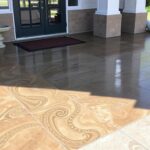
Patios and decorative concrete often aim for enhanced color and a wet look. Acrylics or low-VOC water-based sealers can enrich color and add mild protection, though recoat intervals may be frequent. Test a small area to confirm appearance.
Garage floors and workshops need durability and stain resistance. Epoxy and polyurethane systems, applied over properly prepared concrete, provide a hard, cleanable finish. Keep in mind that oil stains should be removed before application and that proper adhesion requires dry, profiled surfaces.
Application techniques: how to apply sealers properly
Read the product data sheet before you start. Manufacturers provide temperature limits, recommended coverage rates, and substrate moisture criteria that are crucial to success. Ignoring these instructions is the leading cause of failures.
Application tools vary by sealer: pump sprayers and low-pressure spray rigs work well for penetrating sealers, while rollers and squeegees are typical for film-forming products. For large or vertical surfaces, an airless sprayer speeds the job but may require back-rolling to ensure even coverage.
Apply in thin, even coats—thicker isn’t better. Over-application leads to pooling, extended drying times, and potential film defects like blushing or peeling. Maintain a wet edge and work across the whole surface in a controlled pattern.
Step-by-step sealing process
- Ensure the concrete is clean, dry, and repaired. Perform a moisture test if the slab is new.
- Protect adjacent surfaces, landscaping, and fixtures with masking and drop cloths.
- Mix or shake the sealer according to instructions; avoid vigorous air entrainment for some products.
- Apply the first coat using the recommended tool and maintain uniform coverage.
- Allow the recommended dry time, inspect for pinholes or thin spots, and apply a second coat if required.
- Cure for the manufacturer’s specified period before allowing foot or vehicle traffic.
Timing, weather, and environmental considerations
Temperature and humidity affect both application and curing. Most sealers require ambient and surface temperatures within a specified range (often 50–90°F) and low humidity to cure correctly. Avoid application when rain is expected within the recoat or cure window.
Windy conditions can cause fast evaporation of solvents or water, altering film formation and leaving visual defects. For solvent-based products, ensure adequate ventilation when using indoors and be mindful of odor control for neighboring occupied spaces.
Environmental regulations matter. Low-VOC water-based formulations can meet local air-quality rules and are safer for applicators and occupants. Dispose of leftover material and rinsates according to local hazardous-waste guidelines.
Drying, cure times, and when to use the surface
“Dry to touch” is not the same as “cured.” Follow manufacturer cure timelines before heavy traffic; light foot traffic may be possible after a day on some products, but vehicle traffic or equipment often requires several days. Full chemical resistance can take a week or more.
Plan projects for cooler parts of the day in hot climates to control evaporation and avoid trapping solvent. For best results on exterior horizontal surfaces, aim for consecutive dry days with stable temperatures to ensure uniform curing across the slab.
Remember that sunlight and heat accelerate drying; if a sealer dries too fast it can form an uneven film. Conversely, slow drying in cool, humid conditions risks contamination from dust and biological growth.
Maintenance after sealing: cleaning routines and reapplication
Sealed surfaces remain easier to clean but still require routine care. Sweep and rinse periodically, and for oil or grease, use a mild degreaser. Avoid harsh, petroleum-based cleaners that can attack some topical films.
Monitor the sealer’s performance annually. Penetrating sealers may need reapplication every 3–7 years depending on exposure, while acrylics might require recoating every 1–3 years. High-traffic or chemically exposed floors may require more frequent maintenance.
When re-coating, lightly clean and, if necessary, abrade the surface to promote adhesion. Some film-forming sealers require a full strip and reapplication if the existing coating is degraded or has become slippery despite cleaning.
Troubleshooting common problems
Blushing or cloudiness often results from high humidity during curing or solvent entrapment. If discoloration occurs, allow full cure time and observe whether it clarifies; if it persists, remove and reapply with a product better suited to the conditions.
Peeling or flaking typically follows poor surface preparation, residual contamination, or sealing before the substrate was dry. Address the root cause—cleaning, profiling, and moisture testing are common remedies before reapplication.
Uneven gloss or fish eyes (small circular defects) are caused by contamination or incompatible product layers. Light abrasion and cleaning can sometimes correct the issue; otherwise, a system replacement might be necessary.
Safety and environmental responsibility
Many cleaning chemicals and solvent-based sealers pose inhalation and skin hazards. Use appropriate PPE, work in well-ventilated areas, and follow the product safety data sheet for spill response and first aid. Keep children and pets away from treated areas until fully cured.
Minimize runoff into storm drains by using containment when pressure washing and collecting rinsates. Some municipalities require wastewater to be captured and disposed of as hazardous waste if it contains oil, paint, or strong chemicals.
Choose low-VOC and water-based products when practical. They reduce odors, lower health risk, and often simplify regulatory compliance while providing adequate protection for many residential applications.
Costs and planning: budgeting a project
Costs vary widely depending on surface condition, sealer type, and whether you hire a contractor. Budget for thorough cleaning, possible mechanical profiling, repair materials, and the sealer itself. Labor typically represents a large portion of the total for large projects.
A rough guideline: a basic penetrating sealer for a driveway might cost a few hundred dollars in materials for an average single-car driveway when DIY; professional installation will add labor. High-performance coatings like polyurethanes on a garage floor can cost significantly more in materials and prep time.
Plan for contingencies. Unexpected staining, repairs, or removal of an old coating can increase time and expense. A phased approach—addressing the most critical areas first—helps manage costs and keeps living spaces usable.
Real-life examples and lessons learned
On my own house, a ten-year-old stamped patio had developed faded color and scattered efflorescence patches. I tested a small area with a silane-siloxane penetrating sealer to preserve texture and used a mild acid cleaner only on the efflorescence spots. The test area confirmed color retention without reduced breathability, so I proceeded across the entire patio.
For a neighbor’s garage floor, we removed oil with a commercial degreaser and a heated pressure washer, mechanically profiled the concrete with a diamond grinder, and applied a two-part epoxy primer followed by a polyurethane topcoat. The key lesson: never skip profiling—the coating adhered well and has resisted oil and car traffic for years.
In a commercial project, an epoxy-coated loading dock failed in patches due to trapped moisture from a recent pour that wasn’t tested. We had to remove sections, repair the substrate, allow proper drying, and reapply a breathable design on adjacent areas. That taught me to always confirm moisture conditions rather than relying on calendar days alone.
When to call a professional
DIY can handle many cleaner and sealer projects, especially smaller patios and driveways. However, call a professional for large commercial surfaces, heavy oil contamination, structural issues, or when specialized equipment like shot blasting or planetary grinders is needed.
Professionals also navigate code and environmental requirements for disposal and VOC limitations. If you require a guaranteed warranty, a licensed contractor will typically provide system guarantees that DIY work cannot.
Practical tips for long-lasting results
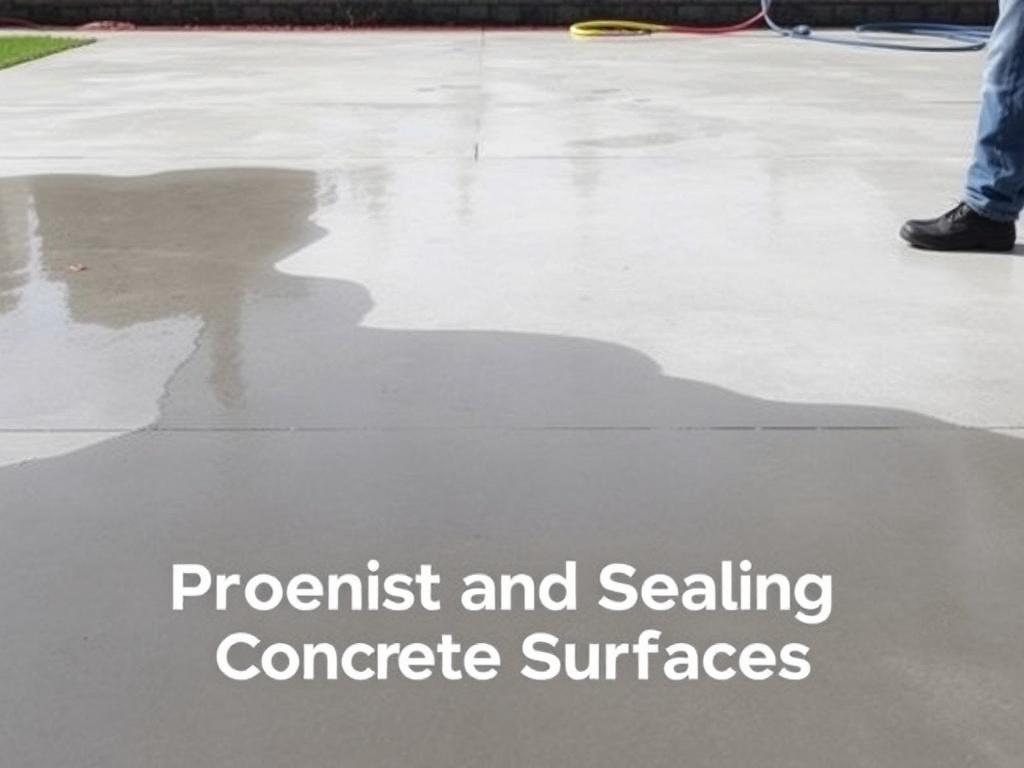
Always test products and methods on a discreet area. This reveals appearance changes, adhesion issues, or unexpected reactions with pigments and previous treatments. Testing is inexpensive compared to a full application gone wrong.
Keep records: document the sealer type, batch numbers, dates of application, surface temperature, and weather conditions. These notes help diagnose future issues or plan maintenance cycles more effectively.
Stay conservative with appearances. High-gloss film-forming sealers can highlight surface imperfections; if the slab is old or patched, choose a low-gloss or penetrating product to avoid drawing attention to flaws.
Wrapping up your project and next steps
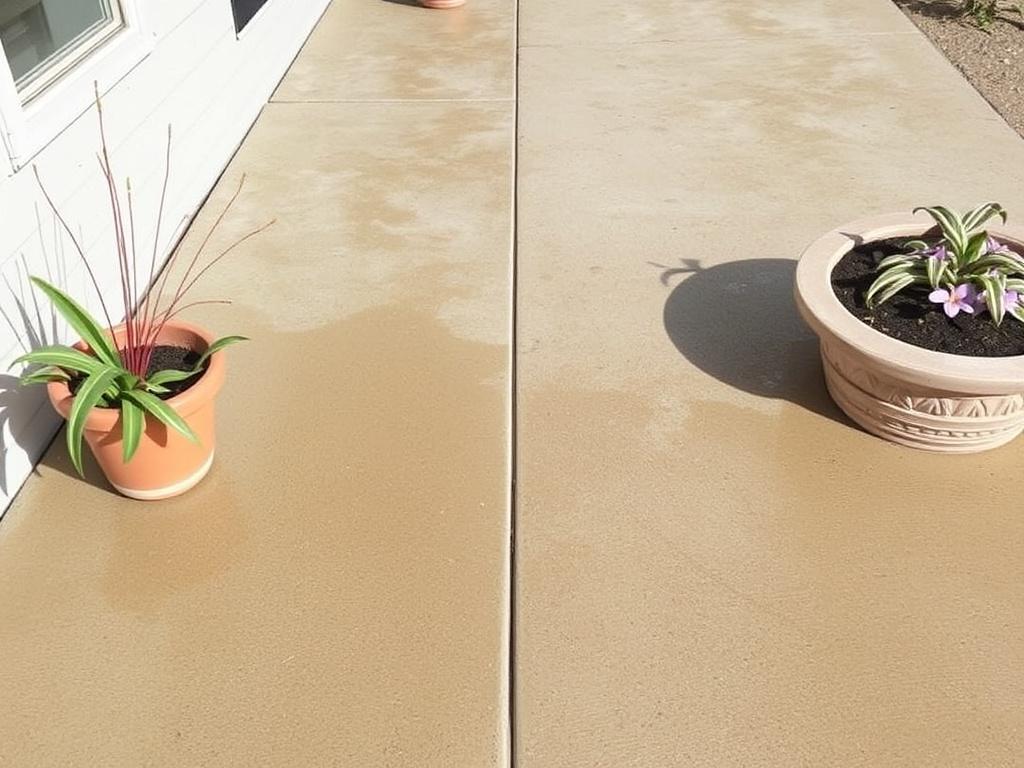
Proper cleaning and sealing of concrete surfaces is a sequence: inspect, clean, repair, prepare, seal, and maintain. Skipping any step increases the chance of early failure and wasted time and money.
Take the time to match the sealer to the intended use and environment, follow product directions closely, and don’t rush curing times. With methodical preparation and sensible product choices, concrete surfaces become easier to live with and maintain.
Start with a small test area, invest in the right preparation tools, and schedule maintenance checks. Over months and years, these efforts repay themselves through fewer repairs, improved appearance, and a surface that withstands daily use.