Concrete is one of the most durable building materials many of us will ever touch, yet it often shows distress in ways that feel disappointingly fragile: a flaking surface on a winter sidewalk, a fine powder underfoot in a warehouse, or a chunk missing from a garage slab exposing rusty rebar. Those symptoms—scaling, dusting, and spalling—are common, visible, and fixable, but each has different causes and different remedies.
Why these problems matter: beyond curb appeal
At first glance scaling or dusting might look cosmetic, something you can ignore until the next renovation. In many cases, that underestimates the risk. Left unchecked, surface deterioration can accelerate, reduce the effective cover over reinforcement, or allow chlorides and moisture to penetrate deeper, causing corrosion and structural damage.
Understanding the difference between scaling, dusting, and spalling is the first step to effective, economical repairs. Fixing a dusty floor with a paint-on sealer is not the same as addressing spalling caused by corroding reinforcement, and mismatched repairs often fail quickly.
Definitions and key signs
Concrete problems use similar-sounding words, which is why diagnosis matters. Each term describes a distinct failure mode and depth of distress.
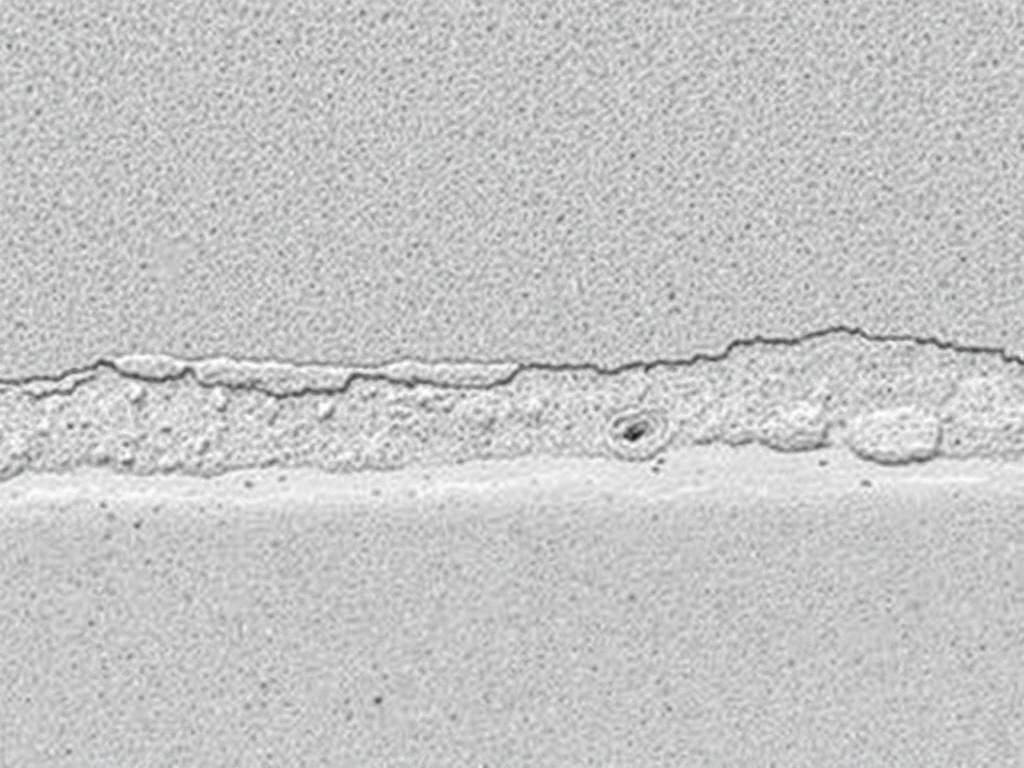
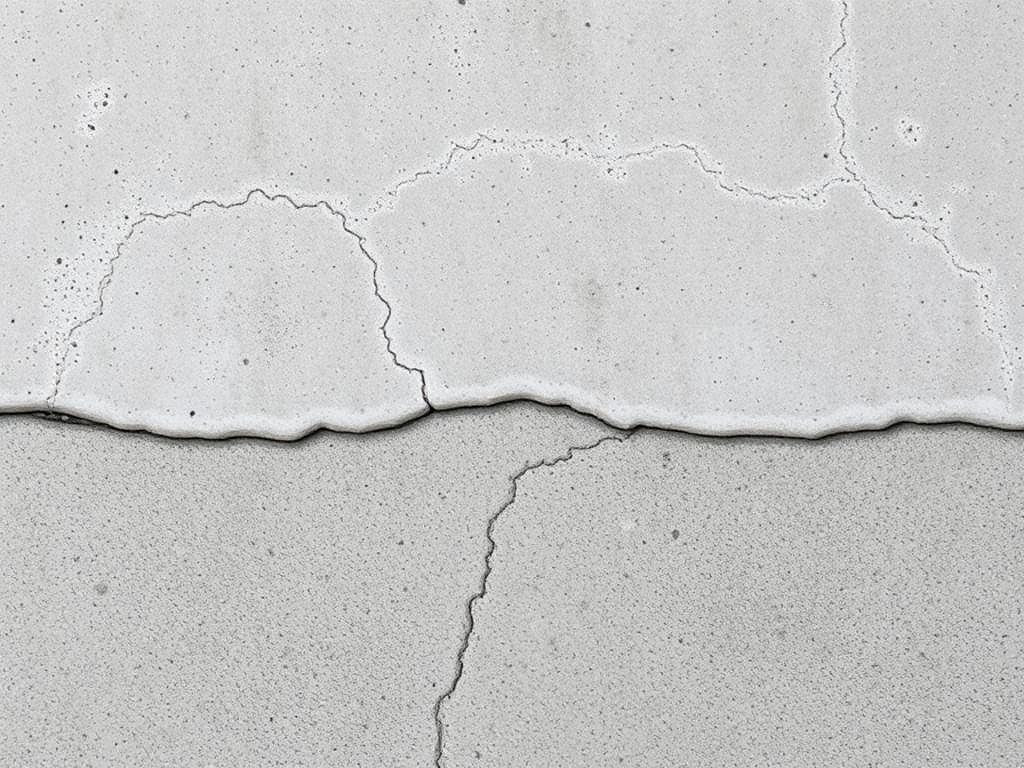
Scaling describes broad, shallow flakes of surface concrete that peel away in thin sheets. It often looks like thin plates lifting from the surface and is usually caused by freeze-thaw damage, poor finishing practices, or deicing salts acting on a weak surface layer.
Dusting is a fine, powdery surface layer that abrades easily under traffic or brooming. It typically indicates a weak, cement-rich surface skin created by excessive water or improper finishing, and while it may seem trivial, dusting can release respirable silica and indicates a low-strength surface.
Spalling is a deeper, more serious loss of concrete—chunks or sections break away, sometimes exposing rusted rebar or voids. Spalling is often the result of reinforcement corrosion, freeze-thaw in saturated conditions, alkali-aggregate reactions, or impact and overload.
Visual checklist to tell them apart
Start with a quick visual and tactile inspection. Run your hand over suspect areas, listen for hollow sounds, and probe shallow flakes. These simple checks often tell you whether the issue is a surface weakness or a structural problem.
If flakes are paper-thin and leave a gray powder, think scaling or dusting. If you find deep voids, visible reinforcement, or concrete fragments that fall under light impact, you are likely dealing with spalling and need a more thorough evaluation.
Common causes, explained
Causes fall into two broad groups: material/mix and environment/maintenance. Many failures are preventable with good design, proper placement, and ongoing care.
Material and mix issues
High water-cement ratio, poor aggregate grading, and insufficient cement content can all create a weak surface layer. Overly wet mixes tend to bleed and segregate, leaving a weak paste layer that finishes into a low-strength skin prone to dusting or scaling.
Finish timing matters too. Excessive troweling, especially while bleed water is present, can push fines to the surface and create a cement-rich layer. That dense, pastey surface dries fast and lacks the aggregate interlock that gives concrete toughness.
Environmental and exposure factors
Freeze-thaw cycles are a classic driver of scaling. When water in capillaries freezes and expands, it exerts internal pressure. Air entrainment—tiny intentionally trapped bubbles—gives freezing water space to move into and dramatically improves resistance to this mechanism.
Deicing salts accelerate damage by increasing saturation and by promoting freeze-thaw cycles at the surface. They can also chemically attack concrete and accelerate corrosion of embedded steel, leading to spalling from within.
Reinforcement-related causes
Spalling is frequently tied to corrosion of reinforcing steel. As steel rusts, it expands up to several times its original volume, exerting expansive pressure on the surrounding concrete and causing cracking and eventual breakout of chunks.
Insufficient concrete cover, poor consolidation around rebar, or permeable concrete that allows chloride ingress will increase the risk of rebar corrosion and subsequent spalling.
How to diagnose the problem correctly
A careful diagnosis tells you whether you can use a surface treatment or whether a full repair is needed. Start with simple in-situ observations and escalate to testing when needed.
On-site inspection steps
Walk the slab, noting the pattern and distribution of deterioration. Scaling from freeze-thaw tends to appear in large patches, often where the surface receives heavy exposure to salt and moisture. Dusting typically shows as a uniformly powdery surface, often right after finishing or in high-traffic zones.
Tap suspect areas with a hammer; hollow sounds suggest delamination. Probe with a stiff screwdriver to see if the surface paste crumbles away. Measure thickness of the deteriorated layer with a depth gauge where flakes have been removed.
When to test: non-destructive and laboratory options
Non-destructive tests like Schmidt hammer rebound tests and ultrasonic pulse velocity can give a quick sense of surface and near-surface strength, but results require experienced interpretation. Pull-off adhesion tests are useful when evaluating overlays or bonded repairs.
For ambiguous cases, send samples for petrographic examination, chloride profiling, or compressive-strength testing. These tests reveal depth of penetration of aggressive agents, presence of alkali-silica reactivity, and whether corrosion is likely active.
Repair strategies by problem type
Each problem has a group of appropriate fixes. A successful repair respects cause, depth of distress, substrate condition, and exposure conditions.
Repairing scaling
Scaling is often a surface problem, so repairs focus on removing the weak layer and restoring a durable surface. Start by mechanically removing all loose, unsound material until you reach solid concrete.
After removal, clean the surface thoroughly with pressure washing to eliminate dust, salts, and contaminants. Allow the slab to dry, then apply a bonding agent if using a cementitious topping. For large areas, a polymer-modified overlay or thin bonded concrete topping is often the best long-term solution.
Surface sealers can help prevent recurrence. Penetrating silane or siloxane sealers reduce water ingress while allowing the concrete to breathe. Note: topical acrylic sealers bead water but do not provide deep protection from freeze-thaw damage and often need frequent recoating.
Repairing dusting
Dusting indicates a weak surface skin and is often corrected with surface densifiers or by removing and replacing the thin powdery layer. For light dusting, lithium or sodium silicate densifiers chemically react with free lime to harden the surface and reduce dust.
Where dusting is severe, mechanical removal—grinding or shot blasting—is the better option before applying a repair mortar or overlay. After removal, a quality surface hardener or a polymer-modified topping restores wear resistance.
Industrial floors benefit from a combination of mechanical profile and chemical densification, followed by a protective coating where appropriate. This layered approach both improves strength and reduces dust generation from everyday traffic.
Repairing spalling
Spalling is often deeper and more urgent because it can expose and accelerate corrosion of reinforcement. A systematic repair typically involves removal of delaminated concrete, cleaning and treating reinforcement, and restoring the concrete with an appropriate patching material.
Begin by cutting back to sound concrete with a clean edge—typically 1/2 inch beyond visible cracks or delamination. Remove any rust, loose scale, or contaminant from exposed rebar. Use a wire brush, abrasive blast, or grinder as appropriate. If corrosion has eaten the bar, replace or supplement the reinforcement.
Apply a corrosion-inhibiting primer or epoxy to the cleaned rebar, then install patch material. Use a bonding agent compatible with the chosen repair mortar, and select a repair product rated for the expected exposure and load. Cure the patch properly; many polymer-modified mortars require moisture curing or covered protection to develop strength.
Choosing materials: what to use and why
For thin repairs and overlays, polymer-modified cementitious toppings provide superior adhesion and reduced permeability compared with plain cement. These products incorporate polymers that increase flexibility, bond strength, and resistance to moisture.
For deep spall repairs, select high-performance repair mortars designed for vertical and overhead use if needed. Epoxy-bonded systems are strong but can be brittle and less tolerant of thermal movement. Cementitious mortars are more compatible with concrete’s thermal and moisture behavior.
Step-by-step repair procedures
Below are practical, stepwise approaches you can follow for typical repairs. Adjust details based on product instructions and local code requirements.
Stepwise fix for scaling and dusting
1. Remove loose material using a chisel, rotary bush hammer, or grinder. Continue until reaching sound, hard concrete with aggregate exposed.
2. Clean the substrate with pressure washing; for salt contamination, flush thoroughly until effluent tests low for chlorides, then allow drying.
3. If installing an overlay, apply a primer or bonding slurry as recommended. Mix the overlay material to correct consistency and apply to achieve full aggregate exposure and bond.
4. Finish as required, avoiding excessive troweling that could create another weak surface. Cure according to the product—often moist cure or curing compound for several days.
Stepwise approach for spalling
1. Square up the damaged area to sound concrete using saws or chipping tools. This reduces stress concentrations and creates a reliable edge for bonding.
2. Expose and clean reinforcement thoroughly. Remove scale and rust; if cross-sectional loss of steel is severe, replace or augment as needed.
3. Apply corrosion protection to rebar—either epoxy coating or cathodic protection in severe cases. Follow manufacturer guidance for compatibility with repair mortar.
4. Install repair mortar in layers if deep, compacting to eliminate voids. Shape and finish to match existing surface, then cure per product instructions. Protect from freeze-thaw and traffic for the recommended period.
Prevention: design and maintenance practices that stop problems before they start
Preventive measures are almost always cheaper than repairs. Thoughtful design and consistent maintenance reduce the frequency and severity of scaling, dusting, and spalling.
Design and material choices
Use air-entrained concrete in freeze-thaw environments. For sidewalks, driveways, and other exterior horizontal surfaces exposed to moisture and freezing, a properly entrained mix dramatically cuts scaling risk.
Control water-cement ratio; avoid excessive site-added water. Aim for a well-graded aggregate and use admixtures like water reducers to keep workability without sacrificing strength. Specify adequate cover for reinforcement to delay chloride ingress and reduce spalling risk.
Placement and finishing practices
Time your finishing operations correctly. Allow bleed water to dissipate before troweling. Avoid overworking the surface with steel trowels, which can create a paste skin that dusts or scales.
Curing is essential. Keep concrete moist for at least seven days, or use appropriate curing compounds. Early drying increases shrinkage and weakens the surface layer, making it more prone to dusting and scaling.
Maintenance and protection
Minimize use of deicing salts on new concrete during the first winter. When salts are necessary, choose less aggressive chemicals and remove accumulated salts promptly. Regularly clean and reseal surfaces where exposure is high.
Periodic inspections—especially after harsh winters or heavy chemical exposure—let you catch small problems before they grow. Reapply penetrating sealers every few years where appropriate, but avoid coatings that trap moisture if the concrete is not fully cured or is exposed to heavy vapor pressures.
Tools, materials, and approximate costs for common repairs
Below is a simple table to help you estimate the scale of work and typical tools or materials required. Costs vary widely by region and project complexity; these are ballpark categories to guide planning.
Issue
Typical work
Common materials/tools
Cost range (small residential areas)
Dusting
Surface grinding or densifier application
Grinder, vacuum, lithium silicate densifier
$200–$1,500
Scaling
Remove scaled layer, overlay or topping, sealer
Bush hammer/grinder, polymer-modified overlay, sealer
$500–$4,000
Spalling
Cut out, rebar prep, patch or replace, corrosion protection
Chipping tools, wire brush/abrasive blasting, repair mortar, epoxy primer
$1,000–$8,000+
Safety and environmental considerations
Dust from concrete contains respirable silica; when grinding or shot blasting, use proper respiratory protection and containment measures. Wet methods reduce airborne dust significantly.
Disposal of removed material must comply with local regulations—some contaminated waste from salt-laden concrete or chloride-rich effluent may require special handling. Use biodegradable or low-VOC products where possible to reduce environmental impact.
When to call a professional
Small, superficial dusting can often be remedied by an experienced DIYer with a grinder and densifier. However, call a professional if you see large spalls, exposed or heavily corroded rebar, structural cracking, or signs of widespread chloride ingress.
Engineers or qualified concrete contractors can perform adhesive pull-off tests, chloride profiling, and rebar corrosion assessments, and they can design repairs that comply with structural requirements and warranties.
Real-life example: a driveway that taught me the value of timing
A few winters ago I worked on a suburban driveway that began flaking badly the first spring after placement. Homeowners had requested a very smooth, trowel-finished surface, and the contractor had finished aggressively while bleed water was still present.
When snow and deicer salt hit that winter, the thin, paste-rich top quickly scaled into broad patches. We ground out the weak surface, installed a thin polymer-modified overlay, and educated the homeowner on deicer use and sealing. The overlay has held for three seasons, but the incident stuck with me as a reminder: the right finish and timely cure are cheap insurance against costly repairs.
Common repair pitfalls and how to avoid them
Mismatched materials and skipping substrate prep are the two most common reasons repairs fail. Using an overlay without removing the weak surface or skipping the bonding agent almost guarantees early delamination.
Another frequent mistake is ignoring the underlying cause. For example, patching spalls without addressing corroding rebar or chloride sources will result in repeated failures. A durable repair considers both symptom and cause.
Choosing the wrong sealer
A topical sealer can look attractive at first but trap moisture and worsen freeze-thaw damage beneath. Penetrating silane/siloxane sealers are often better for freeze-thaw protection since they repel water while allowing vapor transmission.
If you select a film-forming coating, make sure the concrete is fully cured and dry and that the coating system is compatible with local exposure conditions and traffic loads.
Maintenance schedule and inspection checklist
Regular maintenance extends life and simplifies troubleshooting. Use the checklist below seasonally to catch issues early.
Inspect surfaces after winter for salt damage, scaling, or new cracks.
Check for powdery dusting after heavy traffic or cleaning operations.
Look for rust stains, efflorescence, or spalled areas near joints or edges.
Clean and reseal as appropriate every 2–5 years depending on exposure and product life.
Replace deicing salt with less aggressive alternatives where possible and sweep regularly.
Advanced treatments and technologies
Newer approaches include cathodic protection to arrest ongoing corrosion and galvanic anode systems designed for targeted repairs. These systems are more expensive upfront but can stop recurring spalling where chloride contamination is pervasive.
Fiber-reinforced overlays and ultra-high-performance concrete (UHPC) patches offer exceptional durability for aggressive exposures. They are used in bridge decks, industrial floors, and other high-performance applications where traditional repairs have failed.
Estimating life expectancy after repair
Life expectancy depends on cause, material selection, workmanship, and exposure. A properly prepared and installed polymer-modified overlay with good drainage and maintenance can last 10–20 years on a residential driveway, while simple patch repairs over corroded rebar may fail in 2–5 years if the corrosion source isn’t addressed.
Always ask contractors for references and documented performance data for materials and systems when longevity is critical. Warranty terms can also indicate confidence in the selected repair approach.
Final thoughts on managing durable concrete surfaces
Fixing scaling, dusting, or spalling successfully starts with accurate diagnosis. Small problems addressed early are inexpensive; large, recurring issues often signal deeper material or exposure problems that need comprehensive solutions.
Prevention—by specifying the right mix, providing proper curing, and minimizing aggressive exposures—saves time and money. When repairs are needed, follow the manufacturer instructions closely, respect the science behind bonding and curing, and don’t cut corners on prep work. With careful attention, the concrete under your feet can stay serviceable and attractive for decades.