Spalled concrete and rusty, exposed reinforcement can turn a solid-looking structure into a worry. Left unattended, these defects grow, accelerating corrosion and undermining both safety and appearance. This article walks you through identifying causes, choosing materials, and carrying out repairs with an eye toward durability and economy.
What is spalling and why it matters
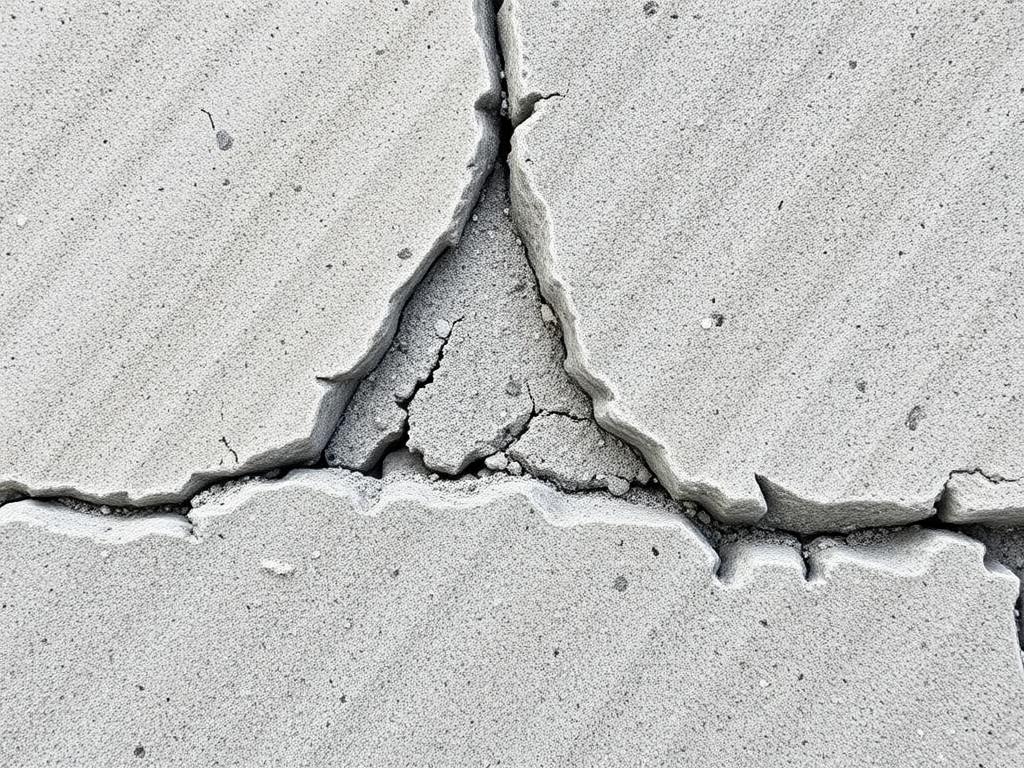
Spalling is the breaking, flaking, or delamination of concrete near the surface. It ranges from small patches to large sections that reveal the steel reinforcement beneath. Even modest spalls are more than cosmetic: they allow moisture and chlorides to reach embedded steel, which can begin to rust and expand.
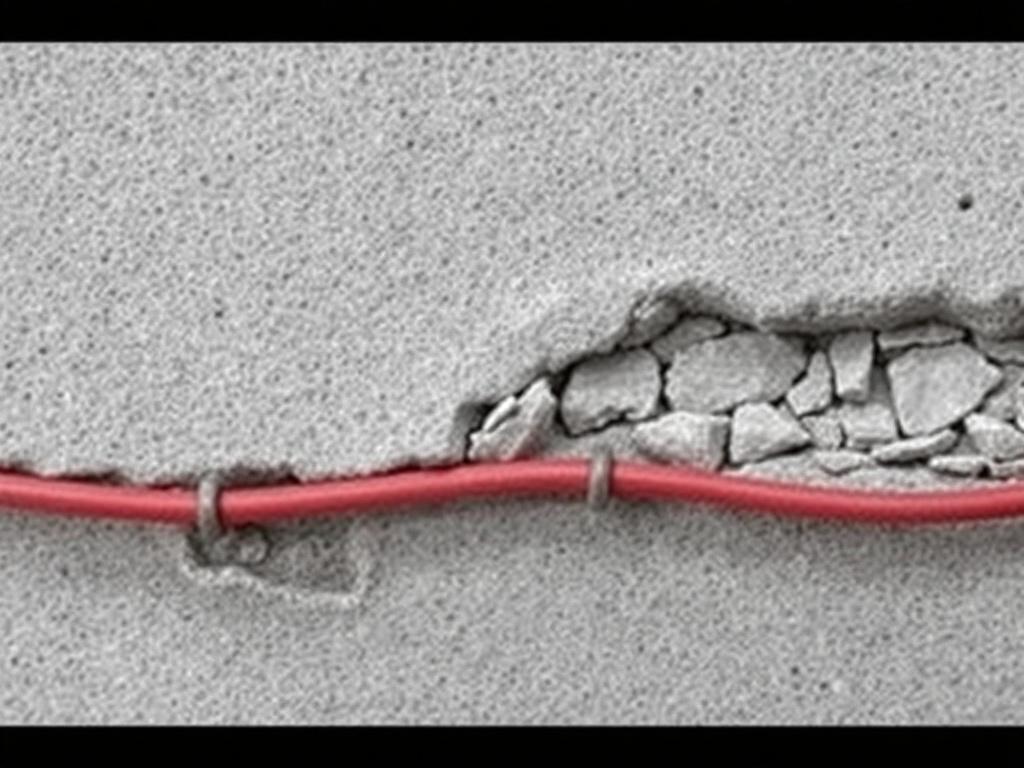
When reinforcing steel corrodes it increases in volume, exerting pressure that widens cracks and causes more concrete to detach. Over time this cycle reduces cross-sectional area of the rebar and the concrete cover, compromising structural capacity. A timely, well-executed repair restores integrity and slows future deterioration.
Common causes of spalling
Corrosion of rebar is the most frequent driver of spalling in reinforced concrete. Chloride ions from deicing salts or marine environments break down the protective layer on steel, allowing rust to form. Freeze-thaw cycles in saturated concrete also create internal stresses that pop off surface material.
Poor construction practices contribute as well: insufficient concrete cover, low-quality mix, improper compaction, and premixed air voids that are not properly controlled. Alkali-silica reaction and sulfate attack are chemical causes that produce expansive products and microcracking, which can eventually lead to spalling. Impact, overloading, or seismic forces may initiate cracking that later develops into spalls.
How to assess spalled concrete
A thorough assessment starts with visual inspection and progresses to simple nondestructive tests. Look for rust stains, delamination soundings (tapping the surface with a hammer), and areas of missing cover. Map the extent of damage so you can prioritize repairs and estimate material needs.
Probing the concrete with a chisel or scraper will confirm loose material and the depth of delamination. Measure concrete cover to verify whether it meets original design expectations and check rebar condition: note section loss, pitting, and bond loss. For critical structures, consider chloride profiling and petrographic analysis to identify deeper or systemic problems.
Safety, access, and temporary measures
Before beginning repairs, secure the site, protect pedestrians, and provide fall protection where required. Spalled fragments present falling hazards; set up exclusion zones and consider scaffolding or platforms for safe access. If the spalled element participates in load carrying, temporary shoring or load redistribution may be necessary until the repair achieves adequate capacity.
Wear proper personal protective equipment—gloves, eye protection, respirators for dust or blast-cleaning, and hearing protection for power tools. Plan for dust and waste containment; contaminated debris from corroded rebar or chloride-laden concrete should be handled according to local disposal regulations. A safe workspace prevents accidents and keeps the repair on schedule.
Tools, materials, and PPE you’ll need
Basic tools include a hammer and cold chisel for removing loose concrete, handheld grinders or cutters for scaling, and wire brushes or needle guns for cleaning rebar. For larger jobs, consider dry or wet abrasive blasting and power tools with dust extraction. Trowels, mixing containers, and finishing tools are needed for patching.
Repair materials vary: cementitious repair mortars, polymer-modified mortars, epoxy grouts, and corrosion-inhibiting coatings. Choose materials compatible with the substrate, expected service conditions, and required structural performance. Personal protective equipment should include dust masks or respirators, gloves, eye protection, and protective clothing.
Small reference table comparing common repair materials:
Material
Best for
Advantages
Limitations
Cementitious mortar
General patching, non-structural repairs
Breathable, compatible with concrete, economical
Lower bond in some conditions; slower cure
Polymer-modified mortar
Thin repairs, improved adhesion
Higher bond, better toughness
Costlier; careful mixing required
Epoxy or cement-epoxy systems
Structural repairs, deep anchors
High strength and bond
Low permeability; not always compatible with concrete movement
Preparing the damaged area
Proper preparation is the single most important part of a successful repair. Start by removing all delaminated, cracked, and contaminated concrete back to a sound perimeter. The repair area should have clean, rough surfaces to achieve mechanical interlock with the patching material.
Expose the full circumference of any corroded steel so you can clean and assess it. Cut back to a minimum repair depth that provides a reliable substrate — shallow feathered edges weaken the repair. After removal, wash the area to remove dust, salts, and loose fines; residual chlorides can accelerate future corrosion if not addressed.
Treating exposed rebar
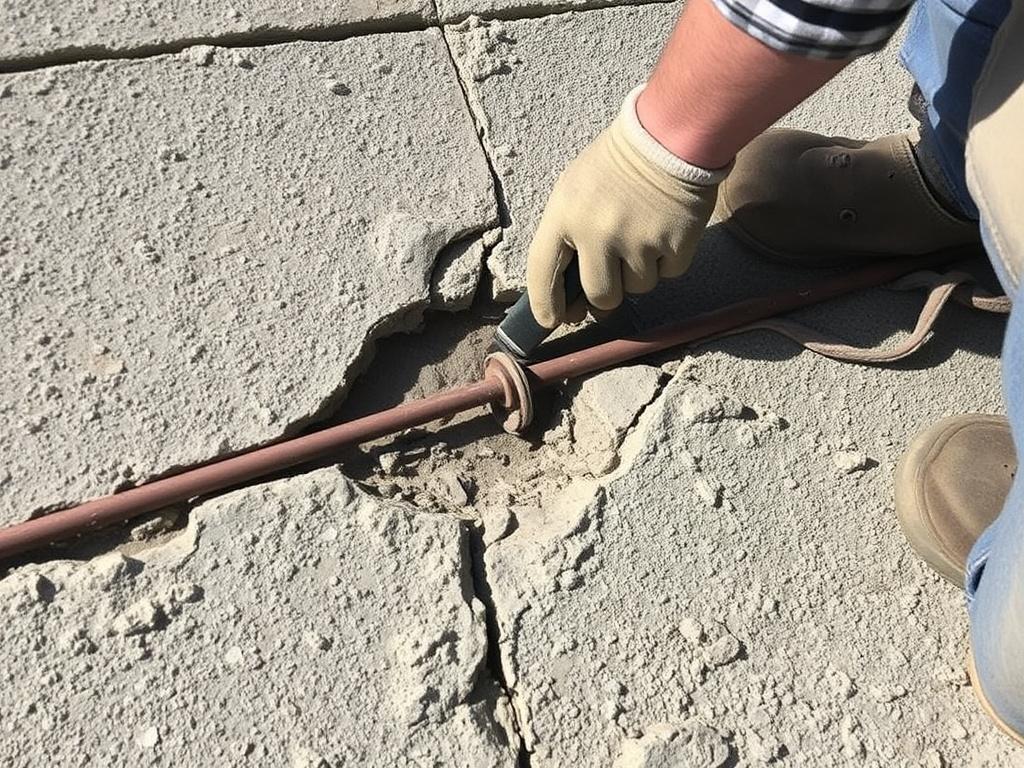
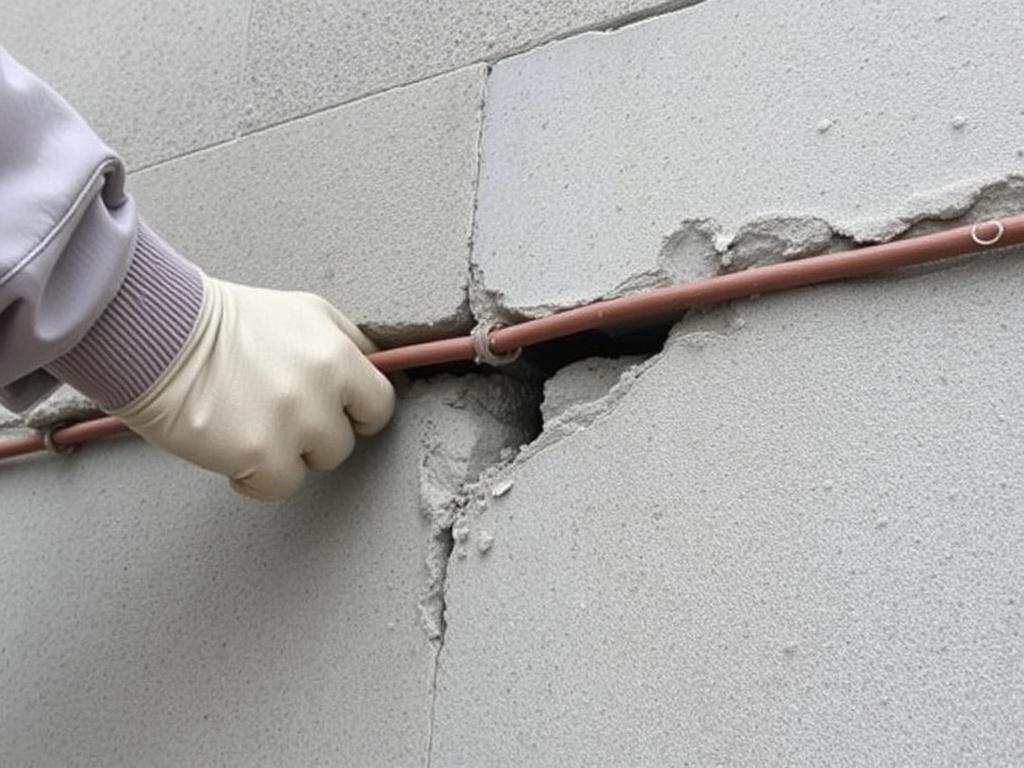
Once rebar is exposed, remove rust and loose scale to bright metal. Methods range from manual wire brushing and abrasive pads to power tools like needle guns and rotary wire wheels. For larger or critical repairs, blast-cleaning to near-white metal is often specified to ensure long-term bond and coating adhesion.
After cleaning, determine whether the existing rebar has suffered significant section loss. Small surface pitting often can be treated with corrosion inhibitors and coatings, but when cross-sectional loss compromises capacity, splice in new reinforcement or add external reinforcement. New bars should be mechanically anchored and lapped per code or grouted into place.
Applying a protective coating to the cleaned rebar slows re-corrosion and improves bond with the repair mortar. Cementitious repair systems often use a tack coat or bonding primer formulated for steel, while epoxy-based systems may employ epoxy primers. Select a system compatible with the repair material and expected exposure.
Rebar replacement and splicing techniques
When rebar is beyond salvage, replacement is necessary. Remove the deteriorated bar and install a new one, maintaining proper cover and alignment. Mechanical splices, couplers, or welded connections (if permitted) help restore continuity; otherwise use standard lap splice lengths that meet design requirements.
Embed new reinforcement into sound concrete with epoxy grout or by forming a secure bearing; ensure the splice or anchorage is protected from moisture. In some cases adding external reinforcement—such as bonded steel plates or fiber-reinforced polymer (FRP) strips—can supplement capacity without extensive demolition. Choose the technique that preserves durability and meets structural needs.
Choosing the right repair mortar
Select a mortar based on the repair depth, required bond strength, environmental exposure, and movement potential. For thicker fills, use a structural repair mortar with low shrinkage and good built-up strength. For thin overlays, a polymer-modified repair mortar provides better adhesion and flexural properties.
Consider thermal compatibility and vapor permeability. Impermeable epoxy patches may trap moisture behind the repair in some situations, so for exterior elements that must breathe, cementitious or polymer-modified products often perform better. Follow manufacturer guidance and, when in doubt, run a small test patch to check compatibility and finishing characteristics.
Bonding agents and primers
Bonding agents can improve adhesion between existing concrete and a fresh repair mortar. Commonly used types include cementitious slurries, epoxy resins, and latex-modified primers. Each has advantages and must be matched to the repair material and environmental conditions.
Epoxy bonding agents offer very high bond strength and work well with epoxy or cement-epoxy systems, while cementitious bonding slurries pair naturally with cement-based mortars. Apply bonding agents to a clean, damp substrate as recommended; avoid using them over contaminants or excessively dry surfaces that will absorb the bonding agent too quickly.
Step-by-step repair procedure
Here is a generalized sequence for a typical repair project. Tailor these steps to the specific material and exposure: prepare, clean, treat steel, apply primer, patch, finish, and cure.
Document the area, photograph, and map the spalls.
Secure the site and set up containment and protection.
Remove unsound concrete back to sound material with square-cut edges.
Clean rebar to bright metal and assess for replacement.
Apply corrosion-inhibiting primer or steel coating to cleaned bars.
Prime the concrete substrate with a compatible bonding agent.
Place repair mortar in lifts, consolidating to avoid voids and ensuring bond.
Level, texture, and finish to match surrounding surfaces.
Cure the repair according to product recommendations and protect from freeze/thaw.
Each step matters. For instance, when placing repair mortar always compact to eliminate entrapped air; voids beneath a patch are weak points that invite moisture. When working overhead, small successive lifts with thorough consolidation yield better results than attempting one large pour that may sag or separate from the substrate.
Mixing and placing repair materials
Follow manufacturer mixing ratios precisely and use clean, potable water. Over-watering weakens mortar and reduces bond; under-mixing leaves unhydrated pockets. For polymer-modified products, ensure full dispersion of additives to achieve the intended mechanical properties.
Place mortars while the bonding agent is still tacky if specified, or as otherwise directed. For deep repairs, place material in layers and allow partial cure between lifts to control exotherm and shrinkage. Trowel and finish quickly but avoid excessive manipulation, which can weaken the surface or pull moisture from the mix.
Finishing and texture matching
Matching the texture and color of the surrounding concrete improves aesthetics and often is required for visible elements. Use finishing floats, brushes, or stamping tools to approximate the original surface. Pigments can be added to repair mortars to approach the existing color; test small areas first to confirm the match.
Feathering is tempting to blend edges, but thin feathered edges are prone to failure. Instead create a clean, square or key-shaped perimeter that gives the patch a mechanical anchor. If a smooth transition is necessary, plan for a surface overlay after the structural repair has achieved strength.
Curing and protection
Curing is critical to achieve design strength and long-term durability. Keep repairs moist and protected from rapid drying for the period the material requires—often several days. Use wet burlap, polyethylene sheeting, or manufacturer-approved curing compounds when continuous moisture isn’t practical.
Protect fresh repairs from rain, freezing, and heavy traffic until the material reaches adequate strength. Temperature extremes affect cure time; heat accelerates hydration and drying while cold slows strength development. In colder weather, use insulated enclosures or heated blankets as recommended for the product.
Quality control and testing
Inspect repairs after curing for bond integrity, cracking, and surface defects. Simple sounding tests or pull-off adhesion tests can quantify bond performance where required. Document results and compare them to acceptance criteria established before work began.
For critical infrastructure, testing may include chloride analysis, petrographic examination, or compressive strength tests of cores or cast specimens. Keep records of batch numbers, ambient conditions, product data sheets, and photographs to support warranty claims and future maintenance.
Estimating cost and scheduling
Costs depend on extent of damage, accessibility, required materials, and whether structural reinforcement is needed. Small localized patches can be economical, while extensive repairs requiring scaffolding, rebar replacement, or environmental controls increase labor and material costs. Factor in traffic control and downtime for occupied structures.
Schedule repairs to avoid harsh weather when possible and allocate extra time for preparation and curing. Unexpected conditions such as hidden corrosion, contamination, or deeper deterioration often surface during preparation, so allow contingency in time and budget. A thorough pre-job survey reduces surprises and keeps the project on track.
Common mistakes to avoid
Rushing surface preparation is the single biggest mistake. Patches applied to contaminated or loose concrete will fail prematurely. Take the time to reach sound concrete and to clean and prepare the rebar thoroughly.
Another frequent error is using incompatible materials—such as a non-breathable epoxy patch on a moist substrate—which can trap moisture and accelerate delamination. Also avoid feathering edges that create thin, weak zones; use keyed perimeters instead. Finally, neglecting proper curing reduces long-term strength and durability.
Long-term prevention and maintenance
Repairs are only one step in extending service life; proactive maintenance slows recurrence. Apply protective sealers or coatings where appropriate, manage drainage to prevent standing water, and control exposure to deicing salts. Periodic inspections catch small issues before they become large.
For structures in marine or deicing environments, consider cathodic protection or corrosion inhibitors as part of a long-term maintenance plan. These systems reduce corrosion rates of reinforcement and can dramatically reduce the frequency of major repairs when correctly designed and maintained.
Codes, standards, and guidance to consult
Follow established guidance from industry organizations to ensure repairs meet recognized practices. Technical documents from concrete societies, standards organizations, and repair material manufacturers provide recommended procedures for assessment, material selection, surface preparation, and testing. Adhering to these references helps ensure consistent outcomes and may be required by project specifications.
In many jurisdictions, local building codes govern structural alterations and may require engineered designs or inspections for significant repairs. Consult a qualified engineer when repairs affect load-carrying elements or when the level of deterioration is uncertain. Good documentation and compliance protect both safety and liability.
When to call a professional
Small, nonstructural surface spalls can be suitable for experienced DIYers or maintenance crews, but anything involving significant section loss, reinforcement replacement, or structural members should involve a licensed professional. Engineers can determine whether the damage affects strength or serviceability and can design appropriate reinforcement or shoring.
If you encounter active leaks, widespread chloride contamination, or uncertainty about the underlying cause, stop and seek expert evaluation. Correct diagnosis guides the repair system selection and avoids wasting money on cosmetic fixes that won’t stop the underlying deterioration.
Real-life example from my fieldwork
I once worked on a mid-century parking garage where repeated spalls at beam ends had been patched multiple times without addressing the root cause. We started by removing all previous repairs and discovered severe chloride penetration and heavily corroded stirrups that threatened shear capacity. A coordinated approach—replacing critical bars, installing galvanic anodes, and using polymer-modified structural mortar—restored capacity and extended the service life of the beams.
Key lessons from that project: thorough diagnostics pay off, attention to bond and cover matters more than aesthetics, and combining localized repairs with systemic corrosion control (anodes and improved drainage) produced a durable outcome. The garage remained functional during repairs because we planned access and phasing carefully.
Monitoring repaired areas
After completing repairs, set up a monitoring plan to check for reoccurrence. Mark and photograph repaired locations, and schedule periodic inspections for cracking, rust staining, or new spalls. Simple maintenance records help identify patterns and determine whether preventive measures are effective.
For important structures, consider installing corrosion monitoring probes or visual access points to track chloride levels and corrosion current. Data-driven maintenance extends service life and allows owners to budget for interventions before emergency repairs become necessary.
Practical tips from the field
Work in cool, dry conditions when possible; hot weather speeds curing and can make finishing difficult, while cold slows strength gain. Keep small quantities of repair mortar fresh—avoid long storage in hot or damp conditions that alter performance. Always follow the manufacturer’s pot life and temperature limits.
When matching color, remember that newly cast mortar will appear different for months as it weathers and carbonates. If appearance matters immediately, plan for staining or overlays after the repair matures. And document every batch and environmental condition in your repair log to aid future troubleshooting.
Final thoughts on durable repairs
Successful repair of spalled concrete and exposed rebar relies on diagnosing the cause, preparing surfaces thoroughly, using compatible materials, and controlling curing and protection. Small shortcuts early in the process often become larger problems later, so invest in quality preparation and materials up front. A disciplined approach reduces long-term costs and preserves both safety and appearance.
Whether you’re maintaining a driveway curb or restoring a bridge column, the principles are the same: respect the substrate, treat the steel, select the right system, and protect the repair during cure. With care and a sensible maintenance plan, repairs can be long-lasting and cost-effective.