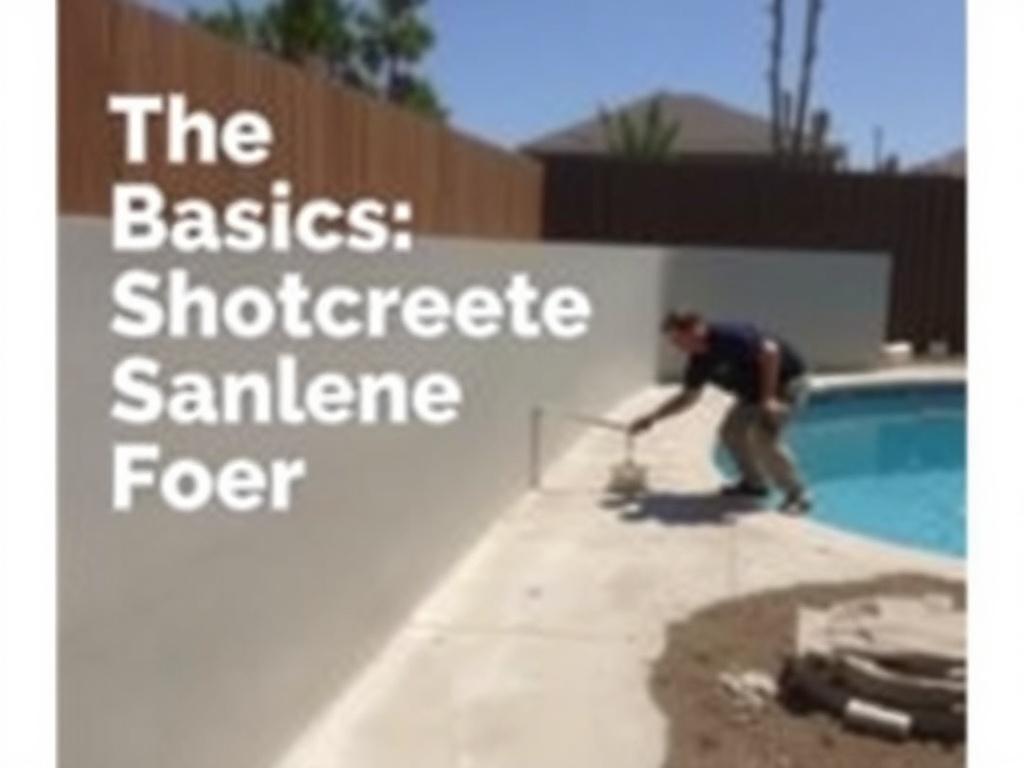
Shotcrete and gunite are names you hear on every serious swimming pool or retaining wall project, but the difference between them is more than vocabulary — it changes how crews mix, deliver, and place concrete under pressure. This article walks through the fundamentals, practical techniques, common pitfalls, and planning details you need to understand before specifying or supervising a shotcrete or gunite installation. Whether you are a homeowner overseeing a pool build or a contractor polishing your craft, the objective is the same: durable, well-placed concrete that meets design intent and lasts for decades.
What shotcrete and gunite actually are
At their core, both shotcrete and gunite are pneumatically applied concretes or mortars that are sprayed onto a surface through a hose and nozzle. They differ mainly in how the ingredients reach the nozzle: wet-mix (shotcrete) has concrete fully mixed before it is pumped, while dry-mix (gunite) delivers dry powder and adds water at the nozzle. That mechanical distinction leads to different practices, advantages, and constraints on site.
Both methods rely on compressed air to accelerate the material so it bonds to formwork, rock, or reinforcing. That acceleration helps compact the concrete as it strikes the substrate, producing a dense matrix with excellent bond characteristics when done correctly. The technique has been used for nearly a century and evolved with better admixtures, equipment, and quality control.
Engineers often specify shotcrete for structural elements because modern wet-mix processes permit precise control of water-cement ratio, admixture dosage, and larger aggregate sizes. Gunite retains popularity in pool construction and repair due to its accuracy in confined spaces and the nozzleman’s ability to modulate water on the fly. Both can create complex shapes that conventional forming struggles to achieve.
Why shotcrete/gunite is a favorite for pools and walls
For pools and textured retaining walls, flexibility is the standout benefit: curved shells, freeform features, and irregular rock shapes are straightforward with a spray-applied concrete. Formwork that would otherwise be complex and costly can be minimal, and the nozzleman can sculpt contours without removing and reworking lumber or steel forms. That freedom reduces labor and materials in many custom installations.
Strength and durability are other selling points. Properly placed shotcrete or gunite yields dense, high-strength concrete with good bond to reinforcement. Because the material consolidates on impact, small voids and honeycombing are less common than with poor cast-in-place pours — assuming the application is competent. The end product resists water movement and chemical exposure better than many masonry alternatives.
Speed also matters on a job site. A small crew can spray a pool shell in a fraction of the time it would take to build, brace, and pour forms for an equivalent cast-in-place wall. That shortened schedule reduces exposure to changing weather and limits the time subcontractors need to be coordinated, which lowers overall risk for builders and owners alike.
Materials and mix design essentials
Cement type, aggregate gradation, and water-cement ratio are critical for performance. Most shotcrete and gunite mixes use Type I or Type II Portland cement, single-source aggregates, and a target water-cement ratio that balances pumpability and strength — typically in the 0.40 to 0.50 range for wet-mix shotcrete. Dry-mix applications tolerate slightly different handling because water is mixed at the nozzle, but the overall chemistry must still control strength and workability.
Admixtures transform how the sprayed material behaves. Accelerators are common in gunite to speed set times so overhead or vertical builds hold without sloughing. For shotcrete, retarders, superplasticizers, or air-entraining agents are added when ambient temperatures are high or when improved durability against freeze-thaw cycles is needed. Fiber reinforcement, both synthetic and steel, is increasingly used to control cracking and improve post-crack capacity.
Aggregate choice influences finish and pumpability. For pool shells and walls, sand and fine gravel in controlled gradations minimize rebound (the amount of material that falls back during spraying). Coarse aggregates larger than about 3/4 inch complicate nozzle handling and produce more rebound; therefore, mix designs for architectural shotcrete often favor smaller maximum aggregate sizes.
Quality control in the batching process is non-negotiable. Whether a ready-mix plant supplies wet-mix shotcrete or a crew bags and batches materials for gunite, accurate proportions and consistent moisture content prevent weak patches, excessive cracking, and unpredictable setting times. Jobsite testing of slump (for wet-mix), compressive strength cylinders, and periodic visual inspection should be routine.
Equipment and methods: wet-mix versus dry-mix comparison
The practical split between shotcrete and gunite comes down to a choice of process. Wet-mix shotcrete has concrete mixed with the correct water content before being pumped and sprayed. Dry-mix gunite carries dry cement-aggregate blend through the hose, with water metered at the nozzle and mixed on impact. Both processes require skilled operators and robust compressors or pumps.
Wet-mix benefits include more precise control of water-cement ratio, fewer dust issues, and compatibility with larger aggregate sizes. Dry-mix allows excellent control in tight spaces and offers the nozzleman the ability to adjust water instantly in response to changing spray dynamics. Project goals and crew experience usually determine the better option.
| Characteristic | Wet-mix shotcrete | Dry-mix gunite |
|---|---|---|
| Water control | Controlled at batch plant | Adjusted at nozzle |
| Dust | Lower | Higher |
| Aggregate size | Up to 1.5 in typical | Smaller, usually < 3/4 in |
| Ideal for | Large structural elements | Repairs, pools, overhead work |
Pumps, compressors, hoses, and nozzles vary by process. Wet-mix requires a concrete pump capable of handling the chosen aggregate size, whereas dry-mix needs a reliable feeding hopper and compressed air source. Nozzle designs have improved over time to reduce rebound and improve mixing, and modern wear liners extend hose life. Routine maintenance of equipment is essential to prevent downtime and inconsistency on the job.
Nozzle technique and the craft of spraying
<p"The nozzleman," in industry jargon, is central to quality. Their skill controls velocity, spray angle, distance, and water addition, all of which determine bond, compaction, and surface texture. A steady hand paired with experience is what makes a shotcrete or gunite shell uniform and free of defects.
Critical elements of technique include maintaining a consistent nozzle distance, using a sweeping motion to overlap passes, and managing lift height to prevent sagging or dull compaction. Vertical and overhead work requires careful layering so that each lift bonds to the previous one without cold joints. Patience beats speed; rushing leads to rebound, weak spots, and rework.
Rebound — material that bounces back off the surface — is a natural byproduct of sprayed concrete. Controlling it comes from proper mix design, reduced nozzle distance, and skilled application. Rebound should be removed promptly; if integrated into the shell it can create weak pockets and aesthetic issues. Good crews collect and recycle usable rebound where feasible, and discard what is contaminated or over-sanded.
Reinforcement, formwork, and layout for pools and walls
Shotcrete and gunite are structural only when paired correctly with reinforcement. Rebar cages, welded wire fabric, and sometimes post-tensioning create the load-bearing system a sprayed shell needs. Covers over reinforcement must meet design specifications to prevent exposure and corrosion over time — typically a minimum clear cover is specified in design documents.
For pools, reinforcement often defines the shell shape: horizontal and vertical rebar, dowels around openings, and wire mesh in shallow areas prevent localized cracking. Attention to rebar ties, spacing, and anchorage into plumbing fixtures reduces the chance of movement during spraying. Avoiding contact between fresh concrete and bare metal plumbing reduces the risk of embedded corrosion from galvanic reactions.
Formwork for shotcrete is generally lighter, often limited to beam forms, step forms, or simple ledgers where needed. Temporary forms and guides help the nozzleman maintain shell thickness and shape. For retaining walls, engineers may specify permanent ties or anchors; shotcrete serves as facing and confinement around those elements when correctly executed.
Embedments — such as returns, light niches, and skimmer pockets for pools — require careful blocking and detailing before spraying begins. These items should be installed and secured to tolerance, because correcting them after a spray pass is always more expensive than including them in the original layout. Simple shop drawings and pre-installation checks save time and headaches in the field.
Layering, lift heights, and managing thickness
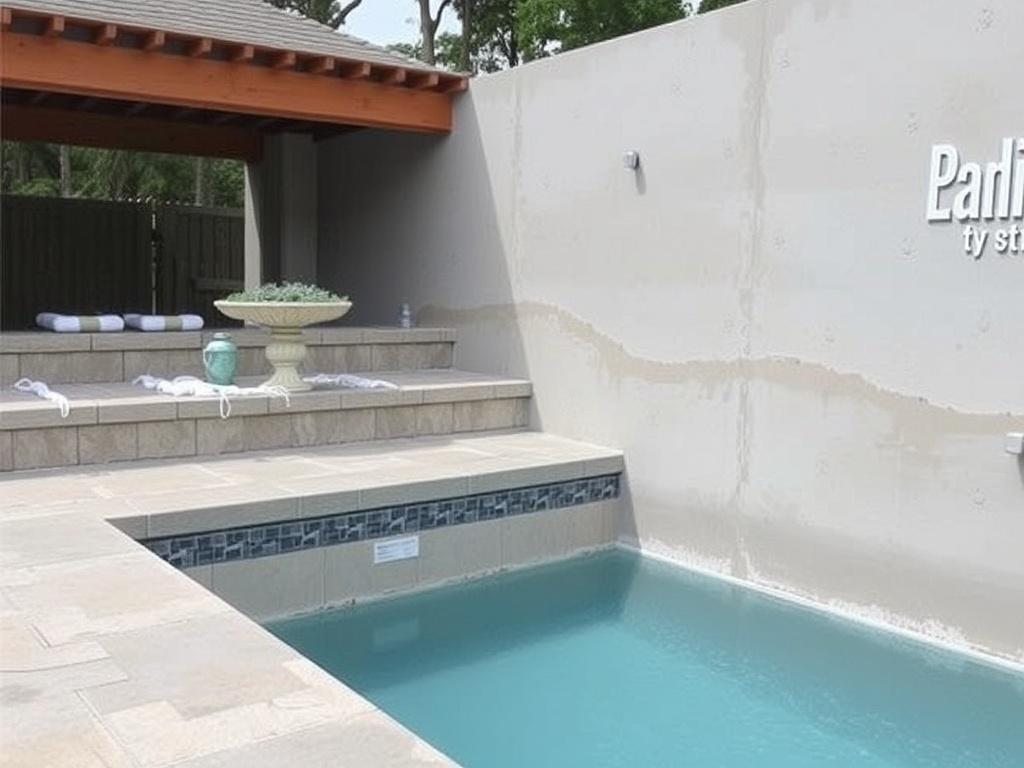
Shotcrete is built in lifts, and each lift must be thin enough to set without sloughing yet thick enough to achieve design thickness economically. Typical lift thicknesses range from 1/2 inch to several inches depending on support, orientation, and mix. When constructing a pool shell, the nozzleman often applies an initial “scratch coat” followed by successive fills until the design thickness is reached.
Bonding between lifts is a serious consideration. If too much time elapses between lifts, the previous layer may skin over and create cold joints. Proper scheduling and the use of bonding agents or surface prep techniques are sometimes required to ensure monolithic behavior. For large structural walls, designers may specify keyways or mechanical interlocks to connect successive passes effectively.
Thickness control is practical with profiling guides or by marking design lines on temporary forms. Laser levels and template boards help keep the shell uniform. Inconsistent thickness not only affects structural capacity but can demand additional material, raising costs and upsetting schedules.
Finishing techniques and surface treatments
After spraying, the surface requires finishing to meet aesthetic and functional requirements. For swimming pools, finish choices include plaster, pebble finishes, or tile, each with their own substrate preparation needs. Sprayed surfaces should be allowed to set to the correct hardness before mechanical finishing to avoid overworking the matrix and exposing aggregates.
Common finishes begin with a rough “as-sprayed” texture or a floated surface for a smoother base. Troweling at the appropriate time yields a dense, water-resistant surface ready for final coatings. For architectural walls, form liners or textured templates can be attached before spraying to imprint patterns; otherwise, decorative scoring or bush hammering after curing provides desired textures.
Curing is the step that most significantly impacts long-term strength and durability. Keeping shotcrete or gunite moist and at moderate temperature for the first several days allows the cement hydration reactions to proceed properly. Contractors use wet burlap, fogging systems, or curing compounds tailored to the project and climatic conditions to ensure controlled hydration and minimize early-age cracking.
Practical curing regimes and timing
Hydration and strength gain continue for weeks. Although many specification documents reference 7-day, 14-day, and 28-day strengths, the initial curing period — usually the first 72 hours — is where protection matters most. Preventing rapid moisture loss during these days reduces shrinkage cracks that appear later as the structure dries and tensile stresses develop.
In hot weather, crews must slow evaporation using windbreaks, shade, and frequent wetting, while in cold weather they must prevent freeze-thaw by insulating and maintaining above-freezing temperatures until sufficient strength is achieved. Accelerators can help in cold climates, but they must be used carefully to avoid long-term durability issues. Always balance admixture use with curing strategy.
Testing compressive strength in controlled cylinders or cores provides objective data that the structure meets design intent. These tests also inform when trade contractors can proceed with later stages, such as shotcrete shell waterproofing or installation of finishes. Record keeping of cure conditions, ambient temperatures, and test results helps when disputes or warranty questions arise later.
Common defects and how to prevent or repair them
No construction method is immune to problems, and sprayed concrete has its own set of recurrent defects. Delamination, where surface layers separate, often occurs from improper curing, dust-contaminated substrates, or placing fresh material over an unsound layer. Prevention begins with clean substrates, timing lifts correctly, and using approved bonding agents for known cold joints.
Cracking arises from shrinkage, thermal movement, or structural overloading. Control joints, proper reinforcement detailing, and adequate curing minimize shrinkage-related cracks. For structural cracks resulting from overload or settlement, engineers may specify crack stitching, epoxy injection, or localized patching combined with additional reinforcement.
Scaling and spalling reflect surface deterioration due to freeze-thaw cycles, poor finishing, or inadequate cover over reinforcement. Air-entrained mixes, correct cover, and attention to finishing timing reduce the chance of surface breakdown. Damaged areas can be profiled and patched with compatible repair mortars, but larger-scale replacement may be required if the damage extends to reinforcement.
Efflorescence — chalky salt deposits — looks unsightly but is mostly cosmetic if limited. It indicates water movement through the slab carrying soluble salts to the surface. Waterproofing membranes, proper drainage, and attention to mix water can minimize this issue. Routine cleaning and, when necessary, chemical treatments remove deposits without harming the concrete beneath.
Poor consolidation and excessive rebound create voids and weak pockets. Prevention focuses on nozzle technique, appropriate mix design, and keeping nozzle distances tight. Repair often involves cutting out unsound areas and patching with new sprayed or cast mixes, ensuring the repair is keyed and properly bonded to the original shell.
Contamination from oils, paints, or foreign materials leads to bond failure and staining. Pre-inspection and thorough cleaning before spraying limit these risks. If contamination is detected after placement, mechanical removal and localized repairs are usually necessary; this is why detailed substrate checks before spraying are inexpensive insurance.
Health, safety, and environmental considerations
Silica dust from dry-mix processes poses a significant health hazard if inhaled repeatedly. Modern practices reduce risk by using wet-mix where possible, dust collection systems, and strict personal protective equipment protocols including respirators rated for silica. Employers and contractors must follow applicable occupational safety standards and provide training for crews.
Noise from compressors and pumps is another on-site hazard. Hearing protection and sensible scheduling reduce the impact on workers and neighbors. Additionally, managing washout water and preventing cementitious slurry from entering storm drains preserves local water quality and avoids fines or remediation costs.
Fall protection, eye protection from rebounding particles, and training on equipment operation complete the set of core safety measures. Small procedural changes, like establishing clear exclusion zones and using push-off poles rather than hands, significantly reduce injuries. A culture of safety typically correlates with better quality work because experienced crews can focus on craft rather than damage control.
Estimating cost, scheduling, and project logistics
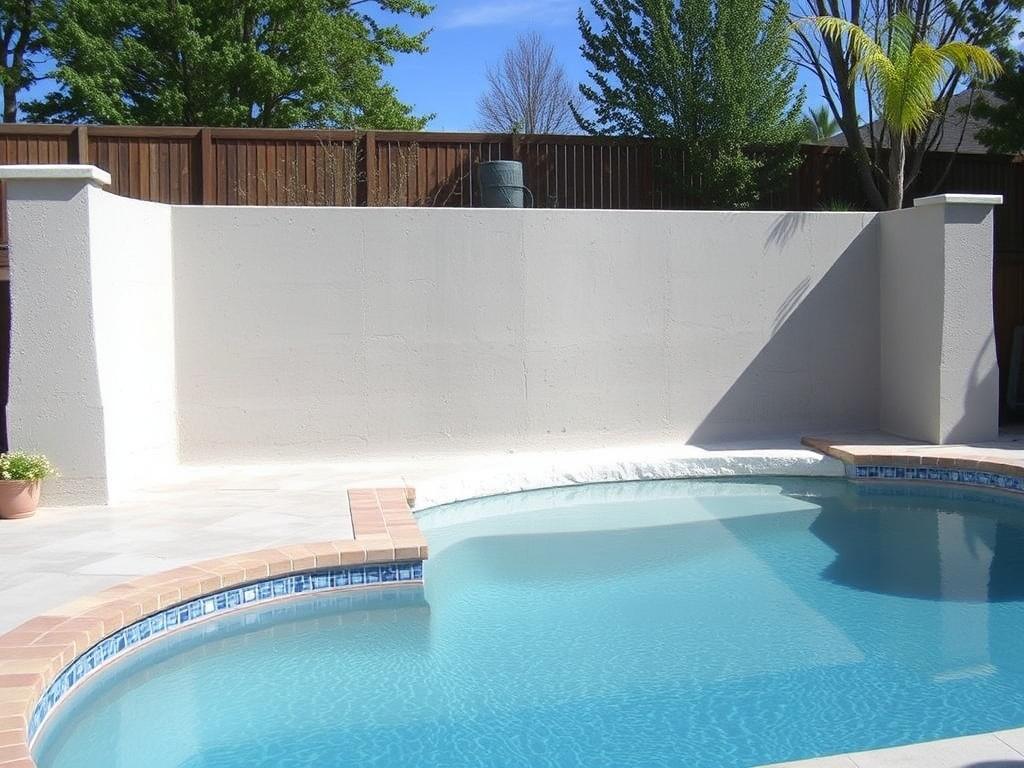
Shotcrete costs depend on material quantities, equipment mobilization, crew skill, and finish requirements. Projects with complex shapes, heavy reinforcement, or high-quality finishes cost more than simple retaining walls or repair patches. Budgeting a realistic contingency for weather delays, additional reinforcement, and accessory trades avoids mid-project surprises.
Schedule considerations include equipment lead times, cure periods before follow-up trades, and sequencing with plumbing, waterproofing, and finishes. A well-planned job shows shotcrete crews arriving when all embedments are placed and formwork is ready, not when other trades still need to finish their tasks. Efficient sequencing keeps crews productive and avoids costly downtime.
Permits, inspections, and code compliance are not optional. Structural walls and pools typically require engineered drawings and city or county approval. Ensuring submittals are complete and inspections are coordinated prevents rework and delays. Early engagement with building officials and clear documentation of material certifications and testing results smooths approvals.
Maintenance practices and long-term performance
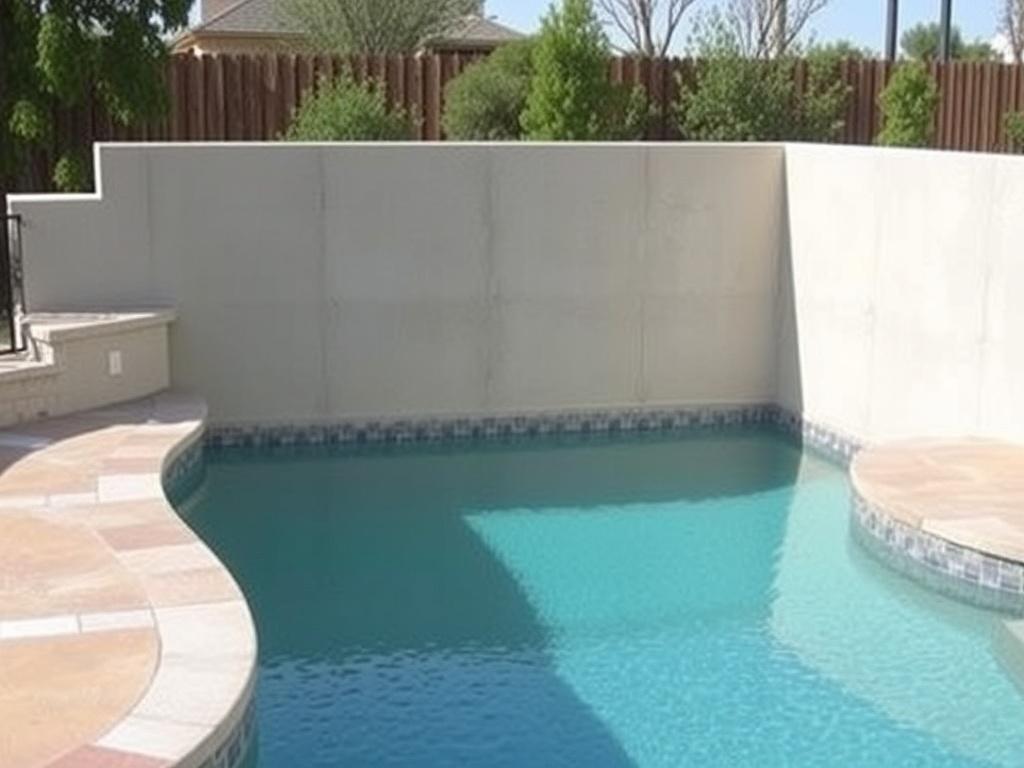
Shotcrete shells are durable, but they are not maintenance-free. For pools, periodic inspections for cracks, leaks, and plaster deterioration should be part of an owner’s routine. Early localized repairs are far cheaper than broad resurfacing later, and keeping water chemistry balanced extends the life of finishes and embedded fixtures.
For retaining walls and structural elements, monitoring for signs of movement, water infiltration, or corrosion of exposed reinforcement is critical. Drainage systems behind walls must remain functional to limit hydrostatic pressure and the potential for failure. Simple measures like clearing weep holes and maintaining surface grading often prevent major problems.
When repairs are needed, use materials compatible with the original shell. Bonding agents, matched cement types, and similar aggregate profiles reduce the chance of differential movement or aesthetic mismatch. Where possible, consult the original design documents and testing history to guide repair strategies.
A step-by-step jobsite guide for a typical pool shell
Below is a practical sequence many experienced crews follow when building a gunite or shotcrete pool. Each job will have its own nuances, but the list captures the common milestones that keep quality consistent.
- Site layout and excavation
- Subgrade compaction and rock stabilization
- Install plumbing, electrical, and embedments
- Place and tie reinforcement per drawings
- Set forms or guides for steps, benches, and overhangs
- Pre-spray inspection and clean-up
- Primary spray (scratch or base coat) application
- Subsequent lifts to design thickness
- Surface finishing and profiling
- Curing and protection from weather
- Final inspections and testing
- Plastering or finish installation
Successful crews give extra attention to the pre-spray stage: verifying all embedments, checking reinforcement spacing, and ensuring hose reach and compressor capacity. It’s surprisingly common for delays to originate from overlooked details like an unsecured light niche or an unanchored step form. Addressing those before spraying prevents costly pauses and patching.
Primary spray is often the most physically demanding phase. Crews should rotate nozzlemen and helpers to avoid fatigue-related errors. After the shell reaches design thickness, the finishing crew transitions in carefully; rushing the finishing stage often leads to delamination or surface defects that show up weeks later.
Real-world examples and lessons learned
On a backyard plunge pool project I observed, the crew initially sprayed during a gusty afternoon without windbreaks. The result was uneven evaporation, which caused subtle setting differences and a rougher finish on the windward side. The team corrected course by pausing spraying, erecting temporary tarps, and adjusting water content for the next pass — a quick operational change that prevented long-term patching.
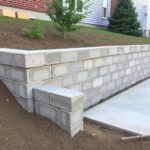
Another memorable job involved converting a failing block retaining wall to a shotcrete-faced structure. The engineer specified dowels and anchors into existing footings; the contractor pre-drilled and epoxied rebar anchors before spraying. That extra attention to mechanical connection allowed the sprayed facing to act compositely with the old structure rather than merely covering it.
These examples underscore two practical truths: adapt to conditions, and never skip a planning step. The flexibility of shotcrete and gunite is powerful, but that power demands discipline. The best teams I’ve seen combine checklists with experienced judgment so that adaptations are deliberate, not frantic.
Training, standards, and resources
Professional associations and industry standards offer training and certification valuable for both contractors and owners. Organizations publish best-practice guides, nozzleman certification courses, and testing protocols under the aegis of concrete and shotcrete committees. These resources help align field practices with structural expectations and regulatory requirements.
Manufacturers of admixtures, pumps, and nozzles provide product-specific guidance that should be followed alongside general standards. Field trials and mock-ups are excellent ways to preview texture, color, and bonding performance on a small scale before committing to an entire shell. Investing time in testing reduces surprises and rework.
Shotcrete and gunite are powerful techniques for creating durable, sculpted concrete shells for pools and walls, but they require planning, craftsmanship, and attention to materials and curing. When these elements align, the result is a high-performance structure that balances aesthetics with structural integrity.
For anyone involved with a shotcrete or gunite project, the single best investment is a well-coordinated, experienced crew and a clear plan that addresses reinforcement, substrate prep, curing, and safety. With those in place, the sprayed shell will earn its reputation for longevity and adaptability across a wide range of applications.