Insulating concrete forms have quietly reshaped how many builders and designers think about walls, energy, and resilience. This article walks through what these systems are, why they perform so well, and how to design, build, and live with them in ways that make sense financially and environmentally. Read on for practical details, comparisons, cautionary notes, and real-world experience from a builder’s perspective.
What an ICF wall system actually is
At its simplest, an ICF wall is a sandwich: rigid insulation on the outside and inside with a cavity poured full of reinforced concrete in the middle. The insulation typically comes in expanded polystyrene (EPS) or extruded polystyrene (XPS) panels that act as stay-in-place formwork during the pour and as continuous thermal insulation for the finished wall.
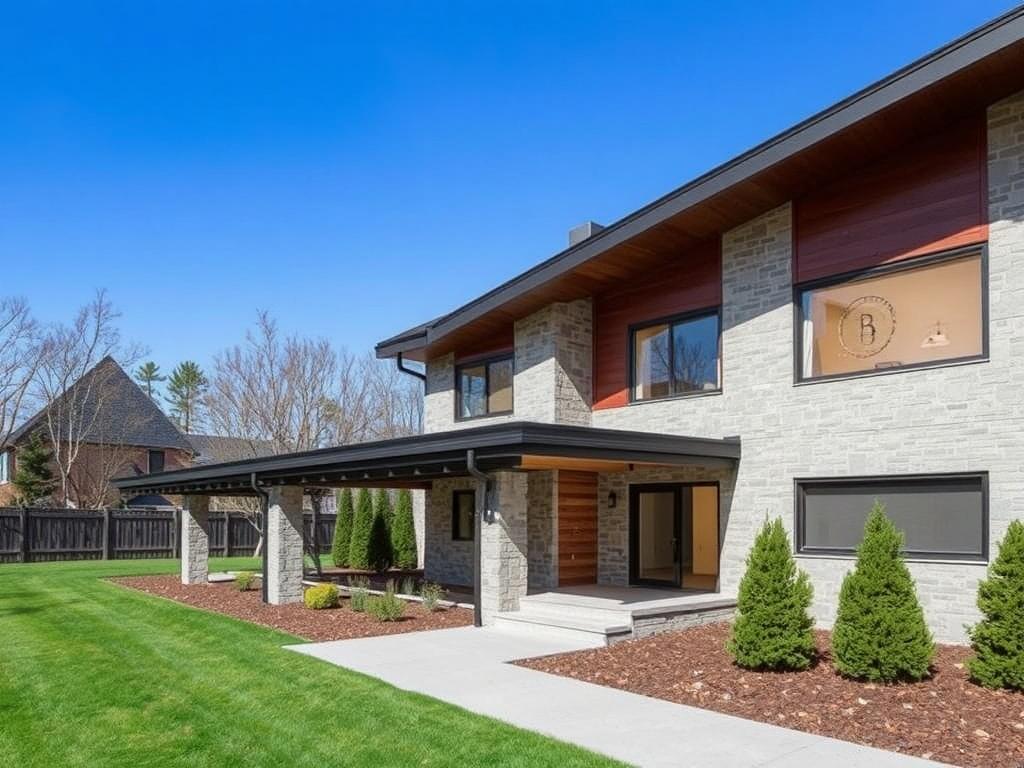
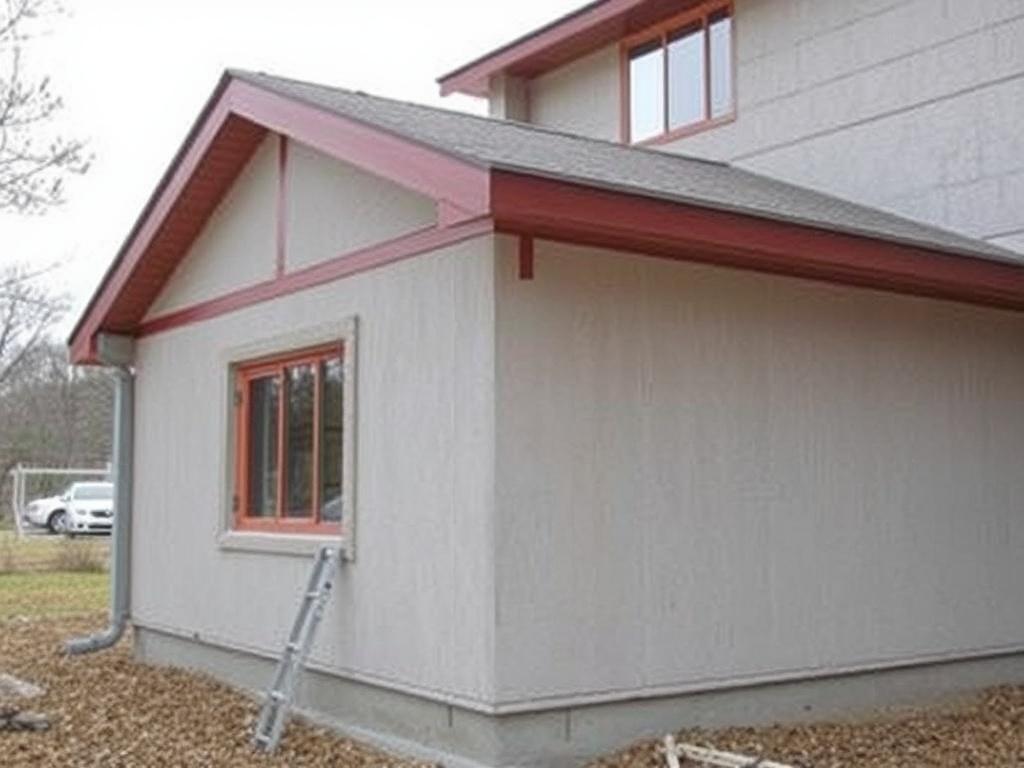
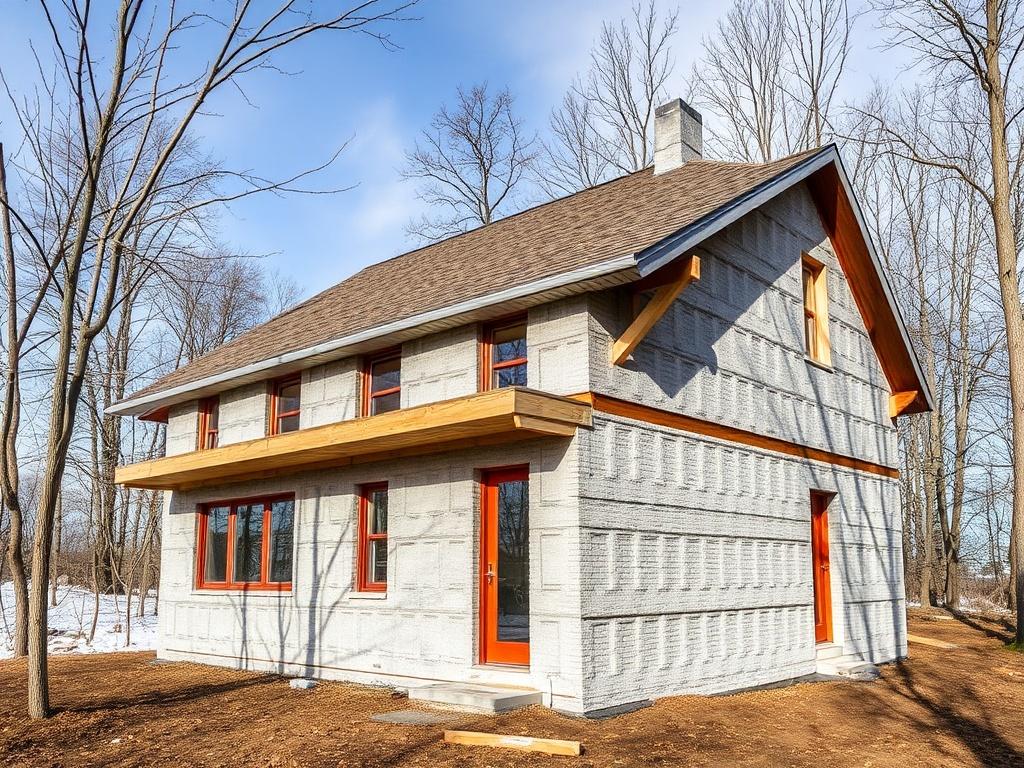
Between those foam faces, plastic or composite ties set the cavity width, hold rebar in position, and maintain the straight plane of the wall. After the concrete cures, the foam stays in place as a permanent part of the wall assembly, ready for interior finishes like drywall and exterior claddings such as stucco, brick, or siding.
Beyond the physical makeup, ICFs are a building method that combines structure, insulation, and airtightness into one composite wall system—one that behaves differently from conventional framed walls in energy, acoustic, and structural ways.
How ICFs deliver superior energy performance
Two characteristics give ICF walls their edge: continuous insulation and thermal mass. The continuous foam layers greatly reduce thermal bridging, which is the main pathway for heat loss in stud-framed walls where wood or metal studs interrupt insulation layers.
Concrete’s thermal mass dampens temperature swings by absorbing heat during warm periods and releasing it slowly when temperatures drop. In climates with significant day-night temperature differences, that mass can reduce peak heating and cooling loads and improve occupant comfort.
ICFs also support tighter building envelopes. Fewer seams and a rigid outer layer mean fewer air leaks when properly sealed at openings, and the result is lower infiltration-related energy loss. Combine that with modern HVAC right-sizing and you often see measurable reductions in annual energy bills.
Components and materials of an ICF system
Typical ICF blocks or panels consist of two parallel foam panels joined by plastic or metal webs. Foam thickness can vary—commonly 2.5 to 4 inches per face—so total R-value of the foam alone ranges widely depending on material and thickness.
Inside the cavity, rebar is placed per structural design and concrete is poured to create a monolithic reinforced wall. The concrete mixes used are generally standard ready-mix, though designers sometimes specify supplementary cementitious materials like fly ash or slag to reduce embodied carbon.
On the exterior and interior you can attach nearly any common finish. Wood furring, flashing, vapor-control layers, and drainage strategies are still necessary when installing claddings over the foam, so the system integrates with traditional detailing rather than replacing it entirely.
Step-by-step construction with ICFs
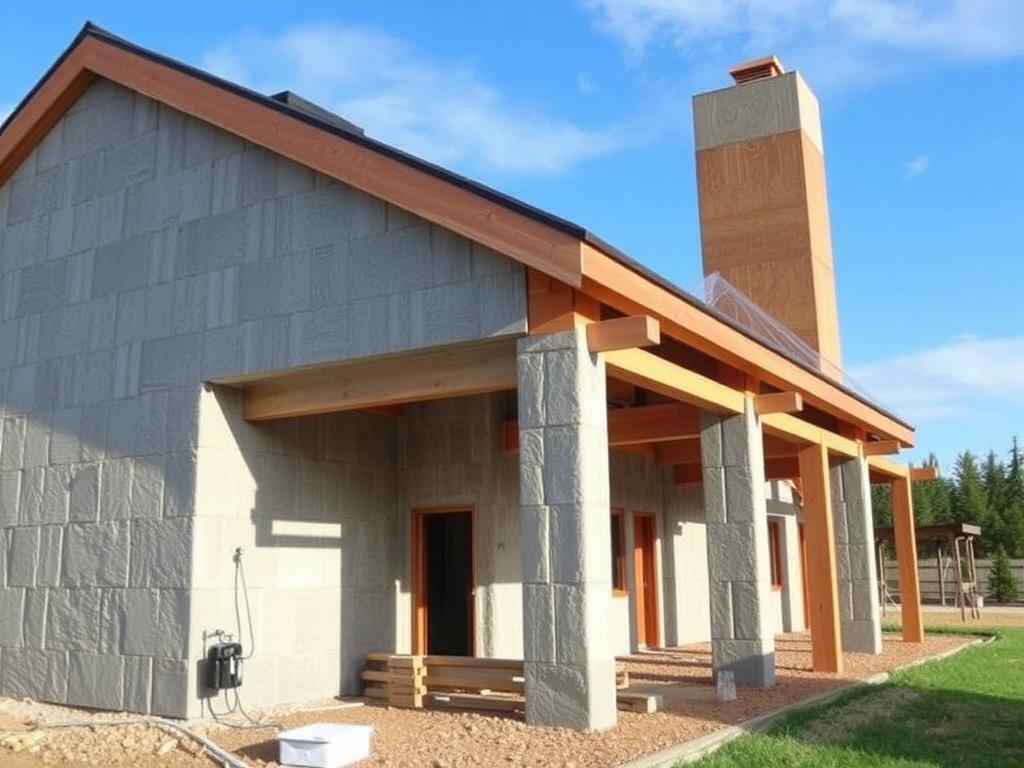
Building with ICFs follows a distinct sequence: prepare and level the footing, stack and interlock the foam forms, place reinforcement, pour concrete, cure, and finish. Each step has its nuances, especially pour technique and bracing to prevent blowouts during the concrete pour.
Proper bracing and pour rates are critical. Forms must be adequately supported because the liquid concrete exerts significant lateral pressure until it sets. Many contractors pour in lifts with pauses to allow concrete to stiffen, and they use bracing systems recommended by the ICF manufacturer.
Once the concrete cures, crews strip none of the forms—the foam remains as insulation. Trades proceed to rough-in electrical and plumbing, often by cutting and placing chases in the interior foam. This alters coordination slightly compared to framed construction, but most mechanical systems adapt easily.
Common construction checklist
Keeping a clear checklist reduces mistakes and rework on an ICF build. Confirm footing alignment and flatness first, then verify block layout, rebar placement, and bracing plan before any concrete arrives.
During the pour, monitor pour speed and bracing, maintain consistent concrete consistency (slump), and avoid cold joints by planning for continuous lifts where specified. After curing, protect exterior finishes and flashings, and follow the manufacturer’s guidance for fasteners and furring strips.
Energy modeling and real-world performance
Energy modeling consistently shows ICF walls reducing overall heating and cooling loads compared to standard wood-frame walls with cavity insulation. The reduced infiltration and continuous insulation translate to improved modeled U-values and lower yearly energy consumption.
Measured performance depends on climate, house orientation, and occupant behavior, but studies and field monitoring often report 20–50% lower heating and cooling energy use for residential buildings that incorporate ICF walls along with other efficiency measures. These gains are most pronounced when the rest of the building (windows, HVAC, insulation in roofs, etc.) is also well-designed.
A practical way to estimate savings is to run a whole-house model (with software such as EnergyPlus or equivalent) and compare identical building shells with ICF walls versus advanced framed walls. Include airtightness targets, as blower door numbers significantly affect the modeled outcomes.
Comparative table: ICF vs. wood frame vs. SIP
Characteristic
ICF
Wood frame (advanced)
SIP (structural insulated panels)
Continuous insulation
Yes, integral
Usually not continuous unless added
Yes, integral
Thermal mass
High (concrete core)
Low
Low–moderate
Airtightness potential
High when detailed
Variable, depends on sealing
High when taped/sealed
Initial cost
Higher than basic framing
Lowest (labor/material varies)
Comparable to ICF, depends on panel size
Durability
Very high
Moderate, susceptible to moisture/rot
High, but panels can be damaged if wet
Costs, lifecycle, and return on investment
ICFs usually cost more up front than basic stick framing, largely because of materials and specialized labor or equipment for bracing and concrete pours. The premium varies widely by region, complexity, and finish choices, but typical premiums for a whole-house ICF shell can range from 5% to 20% versus conventional framing.
That initial premium is balanced over the lifecycle by lower energy bills, reduced maintenance, and longer service life. Simple payback calculations often focus solely on energy cost savings, but a more accurate picture includes fewer HVAC replacements, lower insurance in some areas due to improved resilience, and higher perceived value for durability and comfort.
For many homeowners, the financial case becomes convincing when paired with incentives, solar integration, and high-efficiency systems. Even without incentives, buyers who prioritize low operating costs and long-term durability typically see ICFs as a sound investment.
Acoustic performance, fire resistance, and disaster resilience
ICF walls provide strong acoustic isolation compared to light-frame walls because of their mass and continuous insulation. That makes them popular in urban infill, multi-family projects, and homes near busy roads or airports where noise control matters.
Fire performance is also notable. The concrete core resists combustion, and the foam can be protected behind gypsum board or other approved finishes to meet code requirements. Many assemblies earn favorable fire ratings when detailed and finished correctly.
In hurricane- and tornado-prone regions, ICFs show excellent structural resilience. Their reinforced concrete cores resist wind loads and flying debris better than most framed walls, offering real life-safety advantages in extreme events and often reducing post-storm repair needs.
Sustainability and embodied carbon considerations
Concrete production contributes significant embodied carbon through portland cement, and ICFs use a material—concrete—that is carbon intensive. That fact gives pause for sustainability-minded designers and sometimes triggers efforts to reduce the carbon footprint of the wall assembly.
Strategies include using lower-clinker cements, blending in supplementary cementitious materials (SCMs) like fly ash or slag, and optimizing mix design to use less cement per cubic yard. On the foam side, some manufacturers improve recyclability and reduce blowing-agent global warming potential, which also helps the overall profile.
When evaluating sustainability, it’s important to assess whole-building performance. ICFs can reduce operational energy dramatically, and over 50–80 years of service life that operational savings can outweigh the initial embodied carbon in many climates. Still, a conscientious project should pursue both low-embodied-carbon materials and long-term energy reductions.
Design flexibility and architectural considerations
ICF walls may seem rigid, but they offer a surprising amount of architectural flexibility. You can create curved walls, tall walls, and complex openings with appropriate form systems and detailing. Manufacturers offer specialty blocks and bracing to accommodate atypical geometries.
Window and door openings require careful bucks or jambs that tie into the foam and concrete. Proper flashing, sill details, and drainage plans are important because water control is still a primary responsibility when using any exterior cladding over foam.
Integrating with other systems—roof overhangs, balconies, and basements—requires coordination. The benefits of continuous insulation often suggest rethinking conventional details to maximize thermal performance and reduce thermal bridges at intersections.
Common pitfalls and how to avoid them
Despite their advantages, ICF projects can run into predictable problems: poor bracing during pour, inadequate detailing at openings, or overly optimistic expectations about airtightness without appropriate sealing. Identifying these pitfalls early prevents costly fixes later.
Another frequent issue is contractor inexperience. ICF installation has a learning curve, particularly around form handling, bracing layout, and mechanical coordination. Choosing teams with certified training and documented ICF projects reduces risk significantly.
Simple avoidance strategies include mock-up walls to test finishes and flashing, jobsite training for trades unfamiliar with the system, and clear shop drawings for penetrations and attachments. Treat the ICF wall as a system rather than a drop-in alternative to framing.
Quick tips
Plan pour lifts and bracing with the concrete supplier before placement.
Detail openings with integrated bucks to avoid thermal and moisture issues.
Require blower door testing and remedial sealing if airtightness targets are not met.
Coordinate MEP trades early to plan chases, sleeves, and penetrations.
Codes, certifications, and incentives
ICF assemblies can meet modern energy codes when designed correctly, and many jurisdictions explicitly reference continuous insulation and thermal bridging reduction—areas where ICFs excel. Local code officials will often require assembly testing or documentation for U-values and fire performance.
Programs such as ENERGY STAR, Passive House, and local utility incentive programs sometimes recognize or encourage ICFs as part of high-performance building packages. Demonstrating airtightness, insulation continuity, and thermal bridging mitigation opens the door to rebates and tax credits where available.
When pursuing certification, work with an experienced energy rater or consultant to integrate ICF details into the documentation package early. This avoids surprises during inspections and helps quantify the building’s predicted performance for incentive applications.
Retrofitting existing buildings and hybrid approaches
ICFs are most common in new construction, but hybrid approaches can apply to retrofits. For example, adding an ICF-like insulated concrete jacket to a foundation or constructing an interior concrete-filled insulated wall can improve thermal performance and resilience.
Another hybrid is combining ICF below-grade and traditional framing above the slab, or vice versa, to balance cost and benefits. These configurations often capture the structural and moisture resilience of concrete where it matters most—at foundations and first floors—while using framed solutions for less-critical areas.
Retrofitting an entire exterior wall assembly on an occupied building is rarely practical, but targeted applications for basements, firewalls, or sound walls can produce big gains in comfort and durability with relatively modest intervention.
Choosing products and contractors
Product choice matters. Different manufacturers offer blocks, panels, or snap-fit systems with varying insulation thicknesses, web materials, and accessory ecosystems. Evaluate product documentation, structural ratings, and compatibility with your chosen finishes.
Contractor selection should prioritize demonstrated ICF experience. Ask for project photos, references, and details on how they handle form bracing, pour sequences, and coordination with electricians and plumbers. A single misstep during pouring can damage a wall or lead to structural defects.
Training and manufacturer support are valuable. Many ICF manufacturers provide on-site training or technical assistance, and teams who take advantage of that support usually produce better outcomes with fewer surprises.
Real-world case study: a small home I built with ICFs
When I worked with a builder on a modest 2,000-square-foot home in a mixed-humid climate, we chose an ICF shell to prioritize comfort and minimize future HVAC costs. The client wanted low maintenance and quiet interiors, and the ICF walls delivered both from day one.
We faced a learning curve during the first pour—our bracing plan needed fortification to prevent minor bulging—but the contractor adjusted and the second lift went smoothly. After cladding and finishes, the house achieved better-than-expected airtightness and the clients reported steady comfort through hot summers and cool winters.
Energy bills fell by roughly a third compared to similar sized local homes built at the same time, and the homeowners appreciated the quiet and perceived solidity of the structure. That project convinced me that when assembled carefully, ICFs provide tangible, everyday benefits that clients notice.
Maintenance, durability, and long-term performance
ICF assemblies are low-maintenance compared with many alternatives. The concrete core resists rot, insect damage, and many common forms of weathering that plague wood structures, and the foam needs little attention once protected by finishes and flashing.
Over decades, the major maintenance tasks are the same as for any house: maintain flashing at penetrations, inspect and repair cladding finishes, and ensure drainage keeps water away from the foundation and wall line. If those basics are observed, ICF walls retain thermal performance and structural integrity for the long term.
Fastener and attachment strategies require attention when hanging heavy items or attaching exterior furring. Always use anchor systems designed for foam-over-concrete assemblies, and consult manufacturer guidance for long-term performance of mechanical anchors and sealants.
Market adoption and regional considerations
ICFs have grown steadily in North America, with stronger adoption in regions that value resilience—such as hurricane- and tornado-prone areas—or where energy costs and incentives favor higher-performance shells. Urban noise concerns and multi-family applications also drive interest.
Climate matters for decision-making: in colder climates the combination of continuous insulation and thermal mass can yield greater heating savings, while in hot climates improved envelope airtightness and thermal mass benefits for nighttime cooling can also be valuable. Local availability of experienced crews and materials affects cost and feasibility.
Contractors in regions with limited exposure to ICFs may charge premiums for the perceived risk. That cost can often be mitigated by working with manufacturers who provide training and field support to reduce installation time and errors.
Common misconceptions about ICFs
One frequent misconception is that ICFs are “too heavy” or only suitable for large commercial projects. In reality, ICFs scale from small residential builds to large institutional structures, and many manufacturers produce sizes tailored to single-family homes.
Another myth is that foam attracts pests or that the foam degrades quickly. Properly installed foam behind exterior cladding and protected by interior finishes is not a typical pest attractant, and the foam’s lifespan aligns well with building lifecycles when installed correctly.
Finally, some people assume ICFs are incompatible with modern envelope strategies like continuous air barriers or ventilated rainscreens. On the contrary, ICFs often simplify continuity of insulation and can pair effectively with advanced exterior rain control systems when detailed appropriately.
Integration with HVAC and renewable systems
Because ICF houses often have lower peak heating and cooling loads, HVAC systems can be smaller and more efficient when sized using accurate load calculations rather than rule-of-thumb approaches. Oversized systems reduce efficiency and comfort, so right-sizing in ICF homes is particularly important.
ICFs pair well with heat pumps and high-efficiency equipment because the reduced loads mean the equipment cycles less and runs more consistently in its efficient range. Ducts should be inside the conditioned envelope when possible to maximize benefits—ICF designs lend themselves to that arrangement.
On-site renewables such as rooftop solar complement ICFs nicely: the lower energy demand improves the economics of photovoltaic systems and battery storage, shortening payback times and increasing the proportion of energy that can be supplied on-site.
Future trends and innovations in ICF technology
Manufacturers continue to refine materials, offering lower global warming potential foams, improved attachment systems, and integrations for services like conduit and blockouts. New web materials and connection methods reduce thermal bridging even further.
There’s also growing interest in low-carbon concretes, carbon-sequestering admixtures, and modular factory-built elements that combine ICF principles with off-site prefabrication. These innovations aim to lower embodied carbon while preserving the operational benefits of the wall system.
Performance monitoring and integrated design tools will likely accelerate adoption by making energy and resilience benefits more transparent to owners and developers. As builders gain experience, cost premiums shrink and best practices spread, pushing ICF use into more mainstream residential and commercial projects.
Insulating concrete forms are not a panacea, but they are a powerful tool in the designer’s toolkit for creating comfortable, durable, and energy-efficient buildings. When chosen and executed thoughtfully—considering climate, detailing, and whole-house systems—ICFs can reduce operating costs, enhance resilience, and deliver a long-lived building envelope that owners value.
For anyone planning a new build or certain targeted retrofits, ICFs merit careful consideration alongside other high-performance strategies. Talk to experienced contractors, run whole-house models, and weigh life-cycle impacts to decide whether this approach aligns with your goals for comfort, cost, and sustainability.