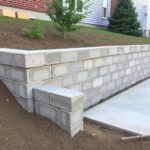
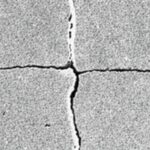
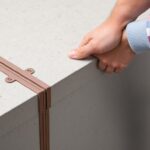
Grouting is the unglamorous backbone of any durable tile floor, solid masonry wall, or properly anchored post. Done well, grout holds materials together, resists water, and keeps finishes looking sharp. Done poorly, it cracks, stains, or fails structurally, leaving you with costly repairs and headaches.
Why grout matters beyond aesthetics
Most homeowners think of grout as the filler between tiles, but it plays structural and protective roles too. In masonry, grout bonds units, transfers loads, and helps resist lateral forces; in post bases, grout carries compressive and sometimes shear loads beneath base plates. Aesthetic considerations are important, but performance should drive your selection and technique.
Choosing the right grout and applying it correctly reduces maintenance and mitigates moisture intrusion, freeze-thaw damage, and chemical attack. That’s why a good technique is as much about preparation and curing as it is about the product you pick. The following sections take you through materials, methods, and common pitfalls for tile, masonry, and post-base grouting.
Common grout types and where to use them
Not all grouts are created equal. Sanded cement grout, unsanded grout, epoxy grout, and polymer-modified grouts are the main types for tile. For masonry and post bases you’ll encounter portland cement grout, non-shrink structural grout, and grout admixtures designed for flow and reduced shrinkage.
Epoxy grout is extremely stain resistant and durable but harder to work with and more expensive. Cement-based grouts are economical and widely used but require proper curing and sealing. Structural grout mixes for masonry and post bases prioritize compressive strength and minimal shrinkage to maintain bearing capacity.
Sanded vs. unsanded grout
Sanded grout contains fine sand to reduce shrinkage and provide strength for wider joints, typically 1/8 inch or wider. Unsanded grout is smoother and ideal for narrow joints and delicate surfaces like polished stone that could scratch from sand content. Choosing wrong can lead to cracking or scratching, so match joint width and substrate hardness to the grout type.
For tile floors, most installers use sanded grout because it resists movement and offers better impact resistance. For glass tile, marble, or very narrow joints, unsanded or specially formulated non-scratch grouts are safer. Always check manufacturer guidance when working with natural stone.
Epoxy and urethane grouts
Epoxy grout is a mix of resin and hardener. Once cured it’s chemical- and stain-resistant, nearly impermeable, and highly durable in high-traffic or wet environments. The tradeoffs are higher cost, more difficult cleanup, and limited working time because of rapid set and viscosity.
Urethane grouts sit between cement and epoxy in terms of performance; they’re flexible, resist staining, and often come pre-mixed. They’re useful for areas subject to thermal movement or slight substrate flex, such as certain outdoor tile installations or decks. Application techniques differ from cement grouts, so read product instructions carefully.
Masonry and structural grouts
Masonry grout is often a portland cement-based mixture designed to be pumped or poured into cores and cavities. For post bases and anchoring, non-shrink, high-strength grout is preferred to maintain continuous bearing under base plates and to resist settlement during curing. These grouts may include special aggregates and chemical shrinkage compensators.
Pumping grout into tall wall cores or under base plates requires attention to flowability and consolidation. Engineers may specify slump, compressive strength, and allowable aggregate size. If you’re doing structural work yourself, follow plans and product datasheets closely or consult a structural pro for the correct material and technique.
Tools and materials checklist
Success starts with having the right tools and materials on hand. This avoids improvisation and saves time, especially when working with quick-set or specialized products. Gather them before you mix a single batch of grout.
Here is a concise table of essentials you’ll use repeatedly across tile, masonry, and post-base projects.
Category
Items
Mixing
Drill with mixing paddle, clean buckets, measuring scale, water source
Preparing the substrate—skip this and regret it later
Preparation is the single biggest influence on the long-term performance of any grout job. Surfaces must be clean, stable, and properly aligned before grout touches them. For tile, that means grout joints free of excess adhesive; for masonry, it means properly laid units and clean cores; for post bases, clean and level bearing areas.
Remove any dirt, dust, and loose particles. For tile, wipe down joints and vacuum residue after thinset sets. For masonry, wash away mortar droppings and leachates that could interfere with bond. Under base plates, remove oils and paint from bearing surfaces to ensure grout can achieve full contact.
Addressing movement joints and substrates
Movement joints are intentional gaps designed to accommodate thermal expansion, shrinkage, and structural movement. Never grout over movement joints with rigid grout; use compressible backer rod and a flexible sealant designed for joints. Ignoring movement can turn grout into a crack map within months.
Recognize the difference between grout joints and movement joints. Grout fills the space between units to provide load transfer or a finished surface, while movement joints preserve a controlled separation to manage stress. Plan and delineate these areas before mixing materials.
Mixing grout: precision matters
Mixing is more than combining powder and water; it’s about achieving the right consistency for application, strength, and cure. Use measured water and tools like a drill mixer to avoid lumps. Over-watering weakens cement grouts and increases shrinkage and staining risk.
Follow the manufacturer’s water-to-powder ratios as a starting point, then adjust slightly for climate and working conditions. For large masonry pours, controlling water and slump is essential; too fluid and aggregates segregate, too stiff and consolidation is poor. Test small batches if you’re unfamiliar with a product.
Admixtures and modifiers
Additives can change flowability, set time, and bond properties. Plasticizers increase flow without adding water, retarders extend working time on hot days, and accelerators speed set for cold weather. Use admixtures only when recommended by the grout manufacturer; incompatible chemicals can harm strength and durability.
For structural grouts, use non-shrink admixtures to offset drying contraction and ensure continuous bearing beneath base plates. In decorative tile grouts, colorants and anti-efflorescence agents help stability and appearance. As always, trial small samples before committing to a full installation.
Tile grouting step-by-step
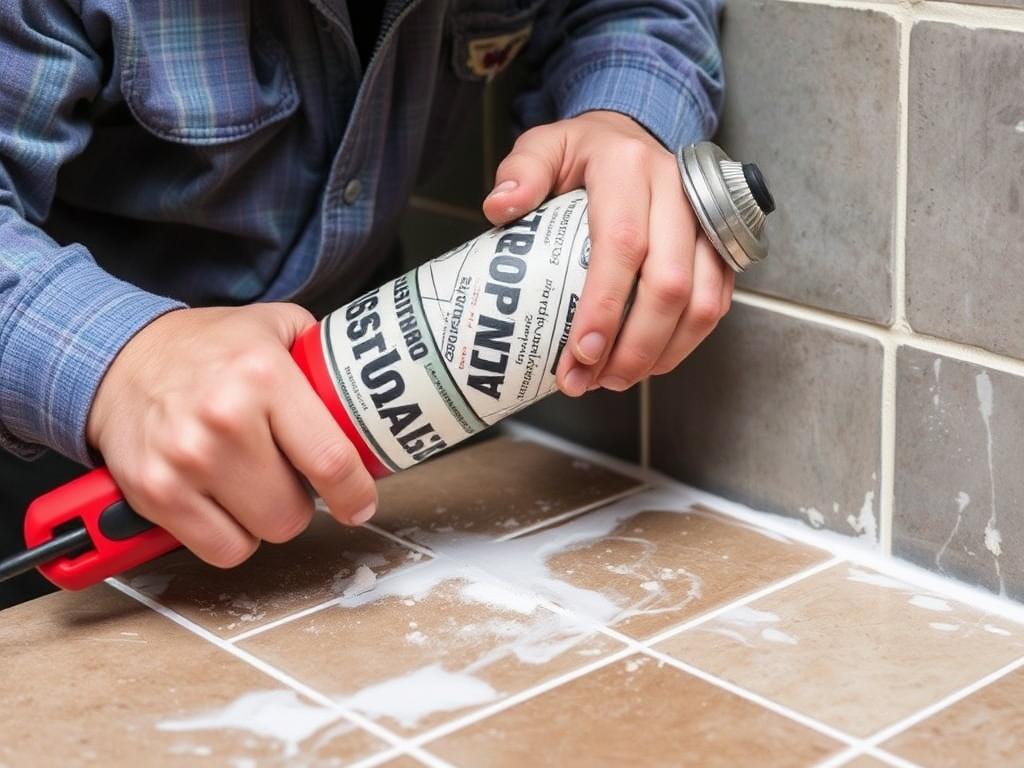
Tile grouting looks straightforward but benefits from a steady, methodical approach. Begin with clean joints and a dry surface, then mix grout to a creamy peanut-butter consistency for most cement-based products. Use a rubber float to push grout diagonally into joints to fully pack them.
Work in manageable sections so grout doesn’t skin over before you can tool joints. Remove excess grout from tile faces as you go with the float held at an angle, then switch to a damp sponge for final cleaning after the grout has firmed a bit. Timing varies by product and temperature; learn the feel of the material.
Mix according to instructions and let slake if required.
Apply grout with a float, forcing it into joints diagonally.
Let the grout firm, then strike or tool joints to shape.
Clean tile faces with a damp sponge, rinsing frequently.
Allow initial cure, then buff haze and seal if needed.
For mosaic and glass tiles, use a grout sponge that’s barely damp and clean sooner to prevent haze and staining. For textured tiles, a grout haze remover or mild mechanical cleaning may be necessary. I once grouted a bathroom backsplash with iridescent glass tile; extra patience and repeated gentle wipes kept the finish flawless.
Finishing joints for appearance and performance
Tooling joints achieves a compacted profile that sheds water and resists erosion. For interior floors, a slightly concave joint created with a rounded jointing tool is both attractive and practical. For exterior paving, a flush or slightly recessed profile may be preferable to reduce wear on grout edges.
A consistent joint profile also affects how sealers perform and how dirt accumulates. Too shallow and the tile edge is exposed; too deep and the grout can trap moisture. Proper tooling in the initial hours prevents many long-term issues.
Cleaning and removing haze without damage
Grout haze is fine cement residue that forms on tile faces during grouting. Remove most of it while the grout is soft by wiping diagonally with a damp sponge. For hardened haze, use a manufacturer-recommended haze remover or a diluted acidic cleaner for unglazed ceramic tiles, but avoid acids on natural stone.
Work gently to avoid altering the joint profile. For delicate stone or polished surfaces, mechanical methods like buffing with a soft cloth and a stone-safe cleaner are safer than chemicals. I learned this the hard way after using an acidic cleaner on marble that dulled the polish; I now always test on a scrap piece first.
Sealing tile grout and when to skip it
Sealing cementitious grout reduces staining and water absorption and extends the life of the grout. Sealers penetrate and create a barrier, though they don’t make grout impervious. For epoxy grouts, sealing is unnecessary because they are inherently non-porous.
Sealers wear over time and require reapplication based on traffic and use. On kitchen floors and shower floors, re-seal every one to three years depending on product performance. Exterior grouts may need more frequent attention due to UV and weathering effects.
Grouting masonry: strategies for strong, durable walls
Masonry grouting serves structural ends: it bonds and stabilizes block and stone, transfers loads, and may encase reinforcement. Achieving void-free fills is critical; trapped air and segregation reduce strength and can create weak planes. That’s why consolidation and proper grout slump are vital steps.
For multi-story block walls, grout typically fills cores and bond beams. Reinforcement bars are embedded in the grout, which must reach specified strength before loads are applied. Proper temporary supports and bracing during pour prevent misalignment and safety hazards.
Pumping and placing grout
Large fills benefit from grout pumps which deliver material with less segregation than manual pours. When hand-placing, use small lifts and consolidate each layer with a mechanical vibrator or rodding to expel air. Avoid dropping grout from great heights where aggregates can separate or units can be displaced.
Temperature matters: hot weather can accelerate set and increase cracking risk, while cold weather slows hydration and weakens early strength development. Use warm water or retarders in cold climates and accelerators or shade and wind breaks in hot ones, following product limits closely.
Controlling shrinkage and curing
Shrinkage in masonry grout comes from water loss during hydration. Non-shrink grouts and controlled water content minimize contraction. After placement, curing maintains humidity around the grout to allow proper cement hydration and strength gain.
Curing methods include keeping surfaces wet, covering with damp burlap or plastic, and using proprietary curing compounds when appropriate. Proper curing prevents surface crazing and improves long-term compressive strength for load-bearing applications.
Post bases and anchoring: grouting that bears loads
Grouting under base plates or around anchor bolts is where grout must become a reliable structural medium. Non-shrink, high-strength grouts are specified to maintain continuous contact and distribute loads evenly. Even slight voids or settlement under a plate can concentrate stress and lead to failure.
For cast-in-place columns and retrofits, clean and roughen bearing surfaces to improve bond. Use grout pads or plastic shims for temporary elevation during placement, and remove shims or ensure they’re specified as sacrificial before final curing. Gravity alone is not always enough to achieve complete bearing—consolidation matters.
Pour-in-place vs. premixed underplate grouts
Pour-in-place grouts are mixed on site and poured to fill the cavity beneath a plate or post base. They’re great for irregular spaces but require careful mixing and consolidation. Premixed, flowable underplate grout compounds offer convenience and reduced risk of improper mixing, though they cost more.
When working under heavy loads, follow the engineer’s compressive strength and expansion specifications. If seismic or heavy machinery loads are involved, the grout selection and placement technique become part of an engineered solution, not a DIY decision.
Anchoring bolts and embedments
Anchorage into grout or block cores requires understanding bond and development length. For heavy-duty anchors set into grout-filled cores, the grout must fully surround the embed and cure to specified strength before load application. Torque testing and approved anchoring systems ensure performance in critical applications.
Retrofitting posts often uses epoxy or grout-based adhesive anchors. These systems rely on compatible materials and proper hole cleaning. I once helped restore a deck post where the original anchoring had corroded; switching to a non-shrink grout and stainless anchors prevented further movement and gave the client confidence in the repair.
Troubleshooting common problems
Cracking, powdering, efflorescence, and staining are the most common grout complaints. Each has different causes—movement and improper mix for cracking, poor curing for powdering, salt migration for efflorescence, and contamination or porous surfaces for staining. Identifying the root cause is essential to an effective fix.
For hairline cracks on tile grout, evaluate whether movement joints were omitted or substrate movement is present. Regrouting without addressing the underlying movement will only be a temporary fix. For efflorescence, cleaning and reducing moisture sources often solve the issue; in stubborn cases, a masonry cleaner designed for efflorescence is appropriate.
Repairing failed grout
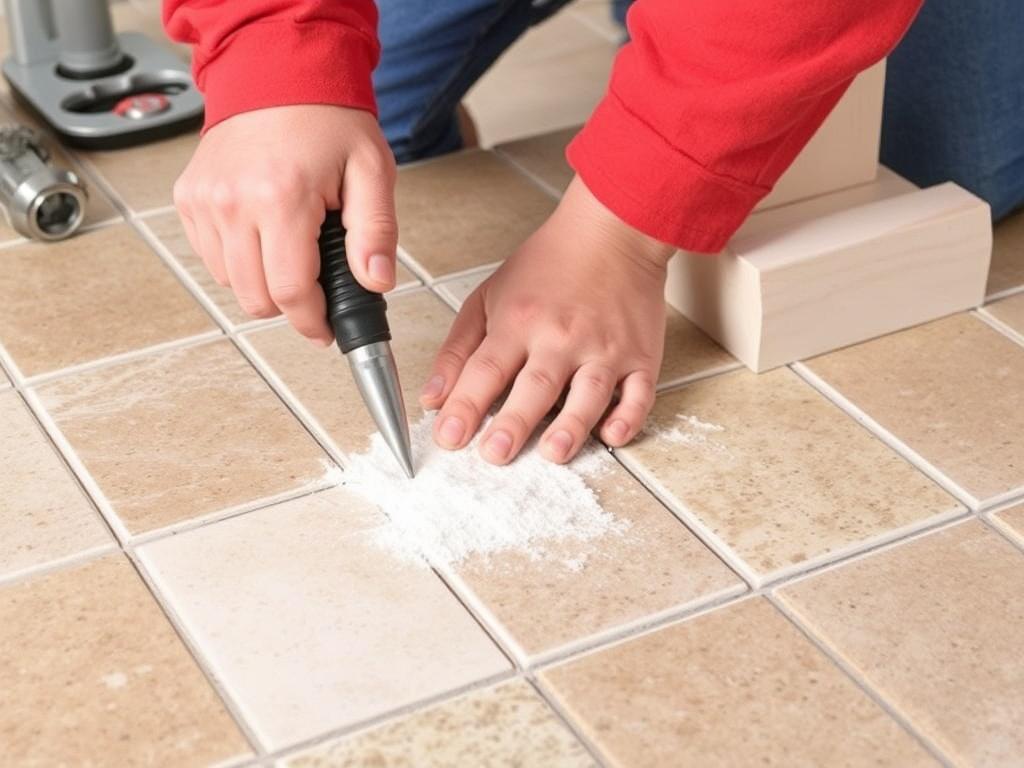
Remove failed grout with hand tools, oscillating multi-tools, or grinders fitted with grout-removal blades. Clean the joint to sound material before regrouting. For large masonry repairs, remove compromised mortar and replace with a compatible mortar or grout mix selected for strength and permeability.
When replacing grout in high traffic or wet areas, consider upgrading to a drop-in epoxy or polymer-modified option that resists the conditions that caused failure. Always match new grout color and texture to adjacent areas or be prepared for a visible patch if matching is impractical.
Color and finish considerations
Grout color dramatically affects the look of a tiled surface, and finishes range from matte to polished and textured profiles. Pigmented grouts are available in many hues, but color consistency requires disciplined mixing and clean substrates. Test panels can save disappointment by showing how color interacts with tile and lighting.
For natural stone, choose neutral or complementary colors that hide variation and minimize the look of joints. Some designers use contrasting grout colors deliberately for pattern emphasis. Whatever you choose, remember that darker grouts hide dirt while lighter grouts can show stains more readily.
Advanced techniques and niche applications
Beyond basic grouting, there are advanced methods for specialty needs: grout injection for crack repair, microcement grouts for thin overlays, and polymer-modified mixes for improved bond and flexibility. Epoxy grouts are essential for chemical-heavy environments like commercial kitchens or laboratories.
When working on historic masonry, match mortar composition and permeability to avoid damaging softer original materials. Modern cement grouts can be too rigid, leading to spalling of older masonry. In such cases, lime-based mortars and compatible grouts preserve the structure and appearance better.
Cold and hot weather grouting
Temperature control is key. Cold weather slows hydration and can prevent proper curing; warm the grout, use heated water, and protect the work from freezing during the first 24–48 hours. In hot weather, cool materials and work in shaded areas to avoid flash setting, and use retarders if needed.
Windy, hot days can dry the surface too fast, leading to surface shrinkage and powdering. Keep mixed grout shaded and mist joints when necessary to control moisture loss during initial set. These small adjustments prevent many temperature-related problems.
Maintenance tips to keep grout performing
Routine cleaning and timely sealing prolong grout life. Use pH-neutral cleaners for cement grout and manufacturer-recommended cleaners for epoxy products. Avoid bleach and acidic cleaners on natural stone and many masonry units, as they can etch or discolor the surface.
Periodic inspection identifies small cracks and wear before they grow. Repointing masonry joints and regrouting tile in high-traffic pathways prevents water intrusion and structural damage. A proactive maintenance schedule saves money compared to full replacements later on.
Safety and environmental considerations
Grouts and admixtures contain chemicals and dust that require PPE—gloves, eye protection, and dust masks are minimum protections. Adequate ventilation keeps solvent and epoxy fumes from building up indoors. Follow all safety data sheets for handling and disposal instructions.
Some grout products contain volatile organic compounds (VOCs) or heavy metals in pigments, so choose low-VOC and environmentally friendly options when possible. Dispose of unused materials and washout water responsibly to avoid contaminating soil and waterways.
Estimating time and cost
Costs vary by material and application complexity. Epoxy and premixed specialty grouts are significantly more expensive than cement-based grouts. Labor time also varies: meticulous clean-up and tool finishing add minutes per square foot but improve long-term results.
Plan for curing times in your schedule. Cement grouts typically reach walking strength in 24 to 48 hours and full cure in several days; epoxy grouts set faster but may need controlled temperatures. For structural work, wait for specified compressive strengths before loading a grout-filled area.
Real-world examples and lessons learned
I recall renovating a kitchen where the original grout had been improperly mixed and never sealed, allowing oil and wine to stain the joints. Regrouting with a polymer-modified, stain-resistant grout and sealing the area dramatically improved durability and aesthetics. The client’s satisfaction came from a small investment in better materials and thorough application.
On a larger scale, I observed a block wall project where grout pumps were used without adequate consolidation. Voids formed and reinforcement wasn’t fully surrounded. The contractor corrected the issue by stopping work, removing affected sections, and re-pouring with a vibrating needle. It was costly, but the rework prevented structural consequences later.
Checklist for a successful grout job
Before you begin, run through this quick checklist to avoid common mistakes. Good planning reduces surprises and keeps the project on time and on budget. Treat the checklist as a habit until it becomes second nature.
Confirm grout type and color are appropriate for the substrate and joint width.
Gather all tools, PPE, and materials before mixing batches.
Clean and prepare all surfaces thoroughly.
Follow manufacturer mixing ratios and adjust for conditions.
Tool joints consistently and control curing environments.
Seal if required and perform scheduled maintenance checks.
When to call a professional
Simple tile grouting is approachable for a confident DIYer, but structural grouting for load-bearing walls or post bases requires an engineer’s input. If an installation carries significant loads, is part of a structural system, or is subject to seismic or high-wind demands, professional specifications and contractors are essential.
Complex substrate issues—like chronic moisture intrusion, unit delamination, or variable substrate movement—also justify expert evaluation. Professionals can recommend compatible materials, appropriate testing, and corrective measures that prevent repeated failures.
Approaching grouting with respect for material properties, preparation, and finishing transforms it from a test of patience into a craft. Whether you’re filling tile joints, consolidating a masonry wall, or bedding a post base, the principles are the same: choose the right material, prepare diligently, and execute with control.
Grout quietly defines how long a surface lasts and how it performs. Spend the time to do it right, and you’ll rarely notice it again—except when you need it most, and it performs exactly as intended.