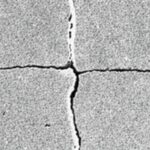
Curing is where design and reality meet: the mix, the formwork, and the weather all bow to time and care. Neglecting this stage wastes materials and invites premature cracking, loss of strength, and costly repairs. This article walks through the science, the practical methods, the common pitfalls, and the field-tested approaches that turn a good mix into a lasting structure.
Why curing matters more than many builders realize
At its core, curing governs a material’s microstructure as it develops. For concrete and many modern binders, the chemical reactions that create hardness and cohesion are moisture- and temperature-dependent. Interrupting those reactions shortchanges strength and durability.
Beyond peak strength, proper curing reduces permeability, improves freeze–thaw resistance, and minimizes shrinkage cracking. Those benefits translate into fewer repairs, longer service life, and lower life‑cycle costs for infrastructure and buildings.
The science behind curing: hydration, polymerization, and heat
For portland cement concrete, hydration is the primary reaction: cement compounds combine with water to form calcium-silicate-hydrate (C‑S‑H), the glue that binds aggregates. The pace and completeness of hydration determine the material’s final strength and resistance to aggressive agents.
Other materials cure through polymerization or cross-linking. Epoxy resins, for instance, undergo a chemical transformation that locks the polymer chains into a hard network; temperature and stoichiometry steer the process. In all cases, curing is a kinetic process strongly influenced by moisture, temperature, and time.
Temperature’s role
Higher temperatures generally accelerate chemical reactions, producing early strength but sometimes at the expense of long-term properties. Rapid set under hot conditions can trap internal stresses and increase shrinkage. Conversely, cold temperatures slow reactions and risk incomplete curing unless mitigated.
Controlling the thermal environment is therefore essential. Gentle acceleration may be desirable in cold weather using admixtures or insulated forms, while limiting peak temperatures during mass pours prevents thermal cracking.
Moisture control and its effects
Moisture is both a reactant and a shield. For cement-based systems, maintaining adequate moisture ensures continued hydration; for polymer systems, controlling ambient humidity can prevent surface defects and blushing. Too little moisture halts reactions; too much can dilute admixtures or encourage leaching.
Effective curing strategies keep the surface and internal regions hydrated until the required degree of reaction is achieved, then allow gradual drying if needed for subsequent operations like sealing or overlaying.
Common curing methods and when to use them
There’s no single universal cure. Choice depends on material, ambient conditions, structural requirements, and construction logistics. The most common approaches for cementitious materials are water curing, membrane curing, sealed curing, and heat or steam curing for precast elements.
For polymers and composites, the options extend to post-cure heating, controlled humidity chambers, and staged temperature ramps in ovens or autoclaves. Selecting the method with a clear plan for start time, duration, and monitoring is critical.
Water curing
Keeping concrete surfaces constantly wet is one of the oldest and most effective techniques. Continuous ponding, wet burlap, or frequent fogging preserves moisture for hydration and minimizes temperature gradients. This method is inexpensive and highly reliable when it’s practical to maintain moisture.
Water curing is particularly important in the first 24–72 hours and remains beneficial through the first week. For slabs, decks, and pavements, long-term wet curing directly reduces cracking and increases wear resistance.
Membrane and liquid curing compounds
When continuous wet curing isn’t practical, liquid curing compounds or membranes offer a good alternative. These products form a film that retards moisture loss and is especially useful for flatwork and site pours. Application timing is crucial: apply after finishing but before evaporation accelerates.
Membranes provide convenience, but their effectiveness depends on proper coverage and product selection. Some curing compounds interfere with subsequent bonding operations, so choose materials compatible with later overlays, coatings, or treatments.
Insulating and formwork curing
For vertical elements and precast units, insulating blankets or heated forms create a controlled thermal and moisture environment. Insulation helps retain heat produced by hydration, while heated forms can accelerate strength gain for early stripping and handling. These methods are common in cold climates or for early demold schedules.
When using insulation or heating, monitor internal temperatures to avoid excessive thermal gradients. Combining insulation with moisture retention techniques yields the best balance of strength and durability.
Steam and heat curing
Steam curing in controlled chambers or autoclaves is standard for precast and masonry units. Steam accelerates hydration and strength development, enabling quick turnaround in manufacturing environments. The key is controlled ramp-up and cool-down to prevent thermal shock and microcracking.
For polymers and epoxy systems, post-cure heating improves cross-link density and long-term mechanical properties. Follow manufacturer recommendations for temperature profile and duration to reach the intended performance.
Comparing curing methods: pros, cons, and typical use cases
Choosing the right method means balancing practicality, cost, and long-term performance. The table below summarizes typical advantages and drawbacks for common approaches applied to cementitious materials.
Method
Advantages
Limitations
Best used for
Continuous water curing
Excellent hydration, low cost
Logistically intensive, erosion risk
Slabs, pavements, bridges
Liquid membrane compound
Easy application, portable
Surface film may interfere with bonds
Large-area flatwork, site pours
Insulating blankets/forms
Retains both heat and moisture
Material cost, requires secure placement
Cold-weather pours, vertical elements
Steam/heat curing
Fast strength gain, predictable
Energy intensive, needs controlled facility
Precast production, block manufacturing
Designing a curing schedule: time, temperature, and targets
A curing schedule ties the desired maturity or strength targets to actionable steps: start time, method, and duration. For typical concrete, early strength develops rapidly in the first 48–72 hours; however, meaningful gains continue for weeks and months. Planning for at least seven days of effective curing is a good baseline in many cases.
High-performance mixes, low w/cm ratios, or supplementary cementitious materials may need longer moist curing to achieve expected durability benefits. Conversely, accelerated mixes can shorten necessary wet curing, but only if long-term outcomes are validated by testing.
Typical strength development benchmarks
Concrete strength is commonly measured at intervals: 1, 3, 7, and 28 days. As a rough guide, many portland cement concretes reach 16–40% of 28‑day strength at 1 day, 40–65% at 3 days, and 60–90% at 7 days, depending on temperature and admixtures. These percentages are approximate and vary with mix design.
Understanding these patterns helps set demold times, load application schedules, and when to remove protection. When in doubt, err on the side of longer curing for structural components exposed to aggressive environments.
Special considerations in different climates
Weather dictates adjustments. Hot, dry, and windy conditions demand immediate measures to prevent rapid surface drying, while cold weather requires insulation, tenting, or acceleration to protect against freeze damage. Wind and direct sun accelerate moisture loss and temperature gradients that increase cracking risk.
Site planning should include weather contingency: keep curing supplies on hand, have stretch tarps and wet coverings ready, and monitor forecasts. Successful crews adapt quickly and treat curing as an active part of quality control rather than an afterthought.
Curing in hot weather
In hot weather, evaporation can outpace hydration. Using windbreaks, shading, misting, and quicker application of curing membranes helps. Consider cooler mix water, aggregate pre-wetting, and planning pours during cooler parts of the day to reduce thermal stress.
Admixtures that improve workability without increasing water content are helpful. Monitor concrete temperature—if it exceeds recommended limits, take additional steps to cool the mix or slow hydration to prevent thermal cracking.
Curing in cold weather
Cold slows reaction rates and can trap water that freezes before it can hydrate, causing internal damage. Maintain minimum curing temperatures with insulated forms, heated enclosures, or temporary heating systems. Protect against rapid cooling during the first 48–72 hours.
Don’t heat too aggressively. Gradual warming and maintaining adequate moisture encourage proper hydration. Use accelerators and choose appropriate cement types for very low temperatures.
Quality control: monitoring and testing cure effectiveness
Monitoring isn’t optional when durability is required. Field-cured cylinders, maturity meters, and temperature logs provide objective evidence of progress. Visual inspection alone misses subsurface deficiencies and uneven curing across mass pours.
The maturity method correlates time-temperature history to strength, enabling earlier, reliable decisions about formwork removal and loading without destructive frequent sampling. Calibration with lab-tested mixes yields the most accurate predictions.
Field-cured cylinders and cores
Standard practice still uses field-cured cylinders for quality assurance. These specimens are cured under site conditions and tested at set ages to compare against design strength. Proper handling—same curing, protection, and transport—is essential for meaningful results.
Cores from hardened concrete can diagnose in-place strength or localized defects. Use cores where early stripping or repair decisions have high consequences and when nonuniform curing is suspected.
Using temperature sensors and maturity meters
Temperature sensors placed at various depths reveal thermal gradients during hydration, especially in mass pours. Maturity meters integrate temperature over time to estimate equivalent curing age. They are a practical tool for large projects where destructive testing is impractical at high frequency.
Combine sensor data with occasional compressive tests to validate the maturity correlation for your specific mix design and local conditions. Once calibrated, the maturity method can speed construction while preserving safety margins.
Field procedures: practical steps to ensure success
Execution matters as much as design. Start curing as soon as the surface is firm enough to avoid damage—this might be minutes on highly workable flatwork or longer on vertical forms. Delay can cause a dry skin that prevents inward moisture retention, undermining the entire process.
Keep records: who applied the curing compound, when wet burlap was placed, or when illumination heaters were switched off. Documentation saves time when disputes arise and helps refine future schedules based on measured outcomes.
Begin curing immediately after finishing operations allow it.
Maintain continuous moisture for the specified duration, not just intermittently.
Protect curing materials from mechanical damage and theft on busy sites.
Coordinate with trades to prevent premature exposure or removal of protection.
Curing special materials: polymers, epoxies, composites, and masonry
Not all materials cure like concrete. For polymers and epoxies, stoichiometry, ambient temperature, and substrate constraints matter most. For composites, pressure and temperature schedules in autoclaves or ovens control fiber consolidation and resin cure.
Masonry mortar benefits from moist curing as well; keeping mortar hydrated improves joint strength and durability. The same basic principles apply across materials: provide the environment that the chemistry needs to proceed to completion.
Epoxy and resin systems
Epoxies require correct mix ratios and thorough mixing. Under- or over-dosing the hardener wrecks cure and mechanical properties. Pot life, exotherm, and ambient temperature control are crucial; heat accelerates cure but can lead to thermal stresses and reduced toughness.
Post-cure heating often improves glass transition temperature and chemical resistance. Follow supplier-recommended cure cycles; if you deviate, validate mechanical properties with test coupons. I’ve seen structural adhesive joints fail when crews skipped the specified post-cure to save time—never worth the risk.
Fiber-reinforced polymers and composites
Composites often undergo staged cures under pressure. Autoclave and oven cures require controlled ramp rates to avoid voids, delamination, and residual stress. Vacuum bagging helps consolidate laminates before final cure and reduces porosity.
Quality control in composites leans heavily on process documentation: cure profiles, oven temperatures, and pressure charts. Inconsistent cure cycles are the silent cause of reduced fatigue life in many aircraft and wind-turbine applications.
Masonry and mortar curing
Masonry units and mortar need moisture to develop bond and strength. Protecting newly laid walls from wind and sun with damp burlap or misting prevents rapid drying that weakens joints. For large exterior walls, staged moist curing through the first week helps ensure long-term durability.
In very dry climates, consider supplementary curing for the first few days and avoid applying impermeable coatings too early. Allow the masonry assembly to achieve adequate strength and dryness before sealing operations.
Common mistakes and how to avoid them
Many failures stem from predictable errors: delayed curing, inadequate coverage, incompatible curing compounds, or disregarding thermal effects. Recognizing and preventing these mistakes saves money and reputation.
Training crews to understand why curing matters is often more effective than handing out checklists. People act differently when they grasp consequences: early structural repairs, leaky overlays, and premature degradation are convincing teachers.
Starting curing late—Begin as soon as the surface can sustain protection without damage.
Using the wrong curing compound—Select products compatible with later adhesive or overlay systems.
Removing protection too early—Hold off on loading or exposure until verified strength is achieved.
Ignoring weather—Adjust plans for wind, heat, and cold rather than hoping for the best.
Materials compatibility and surface preparation
When a structure will receive overlays, coatings, sealers, or adhesives after curing, compatibility matters. Some curing membranes leave films that block bond; some compounds discolor surfaces or affect skid resistance. Plan the entire life-cycle when choosing a cure method.
Surface preparation after curing—mechanical abrasion, shotblasting, or acid etch—may be necessary to achieve reliable bonds. Don’t assume “cured” equals “ready” for subsequent trades without inspection and testing where required.
Case studies and practical lessons from the field
On a midwestern bridge deck project I supervised, a combination of early fogging and liquid membrane application carried the deck through a hot spell. We scheduled pours after dawn, rotated crews to keep the surface moist, and used temperature sensors in the slab. The result was minimal cracking and consistent compressive strength across test cylinders.
In contrast, a renovation job on a concrete floor where a contractor applied an overlay over a curing compound without surface prep led to delamination within months. Recovering that floor taught the team to insist on compatibility checks and adhesion tests before approval.
Cost implications and life-cycle thinking
Curing costs are modest compared with repair, downtime, or early replacement. Investing in proper curing—materials, labor, and monitoring—yields savings over the service life of a structure. Durable surfaces reduce maintenance frequency and unexpected closures.
Quantify the trade-offs: a day of insulation or a container of membrane compound is cheap compared to cutting out and repouring areas damaged by inadequate curing. Treat curing budgets as insurance for the asset’s performance.
Best-practice checklist for on-site curing
Use a simple checklist to ensure consistency across crews and shifts. Assign responsibility for monitoring, keep material data sheets on site, and document start and stop times for each curing activity. A few minutes of preparation avoids days of headache later.
Confirm mix design and expected curing needs before placing concrete or adhesive.
Plan for weather contingencies and have supplies on hand (membranes, blankets, heaters).
Start curing as soon as practical and maintain it for the specified duration.
Document temperature and humidity readings; keep field-cured samples.
Verify compatibility with later finishes and adhere to manufacturer cure cycles for polymers.
Innovation and emerging trends in curing technology
New curing compounds with improved breathability and compatibility are appearing, as are smart sensors for real-time maturity and moisture tracking. These tools enable teams to be surgical about curing duration and timing for follow-on operations.
Admixtures that improve early strength without adding water let concretes achieve performance targets with less moisture loss risk. For precast plants, energy-efficient curing ovens and optimized steam cycles reduce cost while maintaining quality.
Final reflections on practice and perseverance
Proper curing is not glamorous, but it is essential. It separates a well-built structure from one that merely looks complete. The techniques we’ve discussed—applied with care and monitored intelligently—produce predictable, durable results that stand the test of seasons and use.
Approach curing with the same attention you give mix design and placement. Train crews, document actions, and treat curing as a measurable, verifiable stage of construction. Over time, those habits compound into fewer failures and a stronger reputation for quality workmanship.