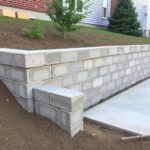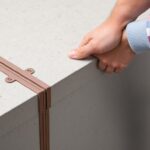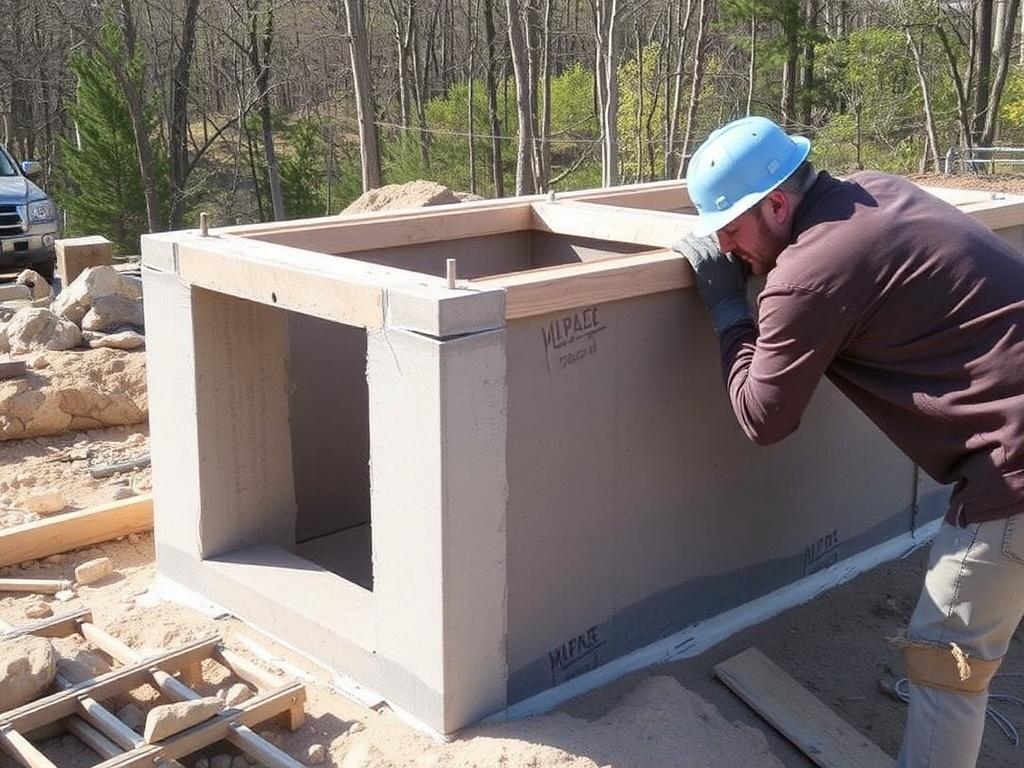
Formwork is the silent architect of every concrete structure, shaping strength and defining finish. This article walks through the practical knowledge and hands-on choices that separate a leaky, costly pour from a clean, efficient one. I’ll draw on field experience and industry guidance to explain materials, detailing, assembly, and inspection so you can build molds that hold water — and concrete — without drama.
What formwork does and why leak control matters
Formwork is temporary structure: it supports fresh concrete until the material reaches sufficient strength to support itself. Beyond structural support, formwork controls shape, surface texture, alignment, and dimensions — all of which affect durability and cost. If the mold leaks, you risk honeycombing, diminished strength, additional patchwork, and schedule delays.
Leaks often start small: a poorly sealed joint, a stretched tie, or an improperly braced panel under lateral pressure. Those small failures quickly turn into visible defects once concrete flows and pressure builds. Preventing leaks is both an engineering and a craft problem; one depends on correct design, the other on disciplined execution.
Treating formwork as a finish product saves money: less rework, faster finish trades, and fewer repairs after stripping. Leak-proofing also reduces waste of cementitious material and minimizes environmental runoff on-site. For contractors and construction managers, reliable formwork is a predictable path to meeting schedule and budget targets.
Core materials and their trade-offs
Choosing the right formwork material sets the stage for leak performance and productivity. Common options include timber (plywood), steel, aluminum, fiberglass, and engineered plastics; each brings distinct stiffness, reusability, weight, and cost characteristics. The choice depends on project scale, desired finish, repetition of elements, and lifting capabilities on site.
Timber systems are flexible, relatively low-cost, and easy to cut on the job. They are ideal for one-off shapes or small projects, but susceptible to swelling, warping, and damage from water unless well maintained. Steel and aluminum offer high stiffness and excellent reuse value for repetitive elements; they resist deformation and can build tight joints when properly machined.
Fiberglass and engineered plastic panels give lightweight handling and consistent finishes; they shine in architectural concrete where appearance matters. However, they can be more expensive initially. Across all materials, surface treatment and panel conditioning — such as sealing exposed edges or coating male/female joints — greatly influence leak resistance and concrete finish quality.
Material comparison: pros and cons
The following table highlights typical strengths and limitations of common formwork materials to help match choices to project requirements. Use this as a quick reference when planning systems, workload, and cost estimates.
| Material | Advantages | Limitations |
|---|---|---|
| Plywood/timber | Low initial cost, easy modifications, good for irregular shapes | Less durable, sensitive to moisture, variable finish |
| Steel | Very stiff, durable, tight joints, excellent reuse | Heavy, higher initial cost, needs skilled handling |
| Aluminum | Lightweight, fast to assemble, resists corrosion | Pricey, can be less stiff than steel |
| Fiberglass/plastic | Light, consistent finish, easy to maintain | Higher cost, limited on-site modification |
Design principles that prevent formwork failure
Start design from expected loads: fresh concrete exerts hydrostatic pressure that varies with slump, mix, and rate of placement. Lateral pressure can be nearly hydrostatic for high-slump mixes and rapid placement, while lower slumps and staged pours reduce pressure. Accurate load assumptions are the first defense against blowouts and excessive deflection.
Bracing and shoring must control deflection within acceptable limits to maintain alignment and prevent cracking. A slight change in plumb or position multiplies across a tall wall or long span, so design tolerances must be tight where finishes or structural elements depend on dimensional accuracy. Where possible, use engineered shoring tables or software to size props and shores.
Connections and joints are design-critical. Specify positive connections that resist uplift, lateral movement, and twisting under pressure. Details such as corner stiffeners, panel overlaps, and edge form linings may seem minor, but they concentrate forces and determine whether joints seal or leak when concrete is poured.
Consider reinforcement and embedments
Reinforcement cages, inserts, and embedded items create interruptions in otherwise continuous form surfaces. These penetrations can become leak paths if not planned. Design the sequencing so that reinforcement is properly supported and tied back from the face to prevent excessive displacement during placement. Use full-height blockouts and sleeves to simplify sealing around pipes and fixtures.
When embedments must be fixed to formwork, prefer welded or bolted attachments to ad hoc nailing, and seal the perimeters with gaskets or expandable sealants. Temporary support frames for heavy embedded items reduce the risk of them pulling away and opening joints under pressure. Detail these items in the shop drawings so field crews execute the plan consistently.
Joint types and sealing strategies
Joints are the most frequent source of leaks in formwork. Common types include panel-to-panel joints, stop-end joints, cold joints in staged pours, and construction joints around openings. Each requires a different sealing strategy to remain watertight during concrete placement. Understanding the joint behavior under pressure guides the choice of seals and hardware.
Butt joints without overlap or a compression profile are poor at resisting pressure. Where feasible, specify tongue-and-groove or lap joints that provide a mechanical barrier in addition to any gasket. That secondary resistance buys time while sealants or tapes accommodate small differential movements during pour.
Gaskets, tapes, and injectables each have their place. Hydrophobic tapes and rubber gaskets are fast and reversible; expanding sealants such as bentonite strips swell when wet to fill gaps; injection grouts can address leaks after they appear. Choose methods compatible with the form material and with the required speed of stripping and reuse.
Waterstops and flexible seals
For through-thickness joints and construction joints in slabs and walls, waterstops are a proven solution. PVC, rubber, and hydrophilic waterstops provide continuous barriers embedded in the concrete. They perform best when properly lodged into the joint centerline and when laps are welded or vulcanized per manufacturer guidance. Poorly lapped or twisted waterstops are ineffective and will leak under pressure.
Bentonite-based hydrophilic strips expand on contact with moisture and are useful for non-moving construction joints. They are sensitive to contamination, so keep them clean during installation. Elastomeric waterstops tolerate larger movements but require careful anchorage to avoid bulging or misalignment during concrete placement.
Tie systems and tie-hole management
Ties hold opposing form faces together against lateral concrete pressure. Common systems include through-ties, snap ties, and stay-in-place ties. Selecting the right tie for load, concrete chemistry, and desired surface finish is crucial. The wrong tie can leave oversized holes or corrode within the slab, creating long-term durability concerns.
Removable ties allow a clean surface when the form is stripped but require filling or patching of the tie holes. Snap ties that break off at or below the concrete face reduce patching but leave embedded metal in the concrete that may corrode if not specified stainless or coated. Stay-in-place systems speed cycles but affect insulation and thermal performance in some structures.
Plan for tie-hole treatment in the formwork schedule. For high-finish surfaces, use internal cones, recess boxes, or negative forms to conceal tie locations. For structural elements where patching is acceptable, specify grout or mortar mixes compatible with the surrounding concrete and finishing sequence to minimize visible repairs.
Practical tip: aligning tie positions
In my early work on a mid-rise project, uneven tie placement created a ragged surface line that required hours of grinder work. We corrected it by marking consistent reference lines on the forms, pre-punching tie locations at the shop, and rehearsing placement with the crew. That small change saved days of remedial labor and improved the overall quality of the finish.
Consistent spacing also ensures pressures distribute evenly across the panels. Avoid random or ad hoc tie placement; follow the engineered spacing and adjust only with approval. When you need to deviate, document the change and its rationale so inspections can confirm the formwork integrity before pouring.
Assembly technique: fit, finish, and force
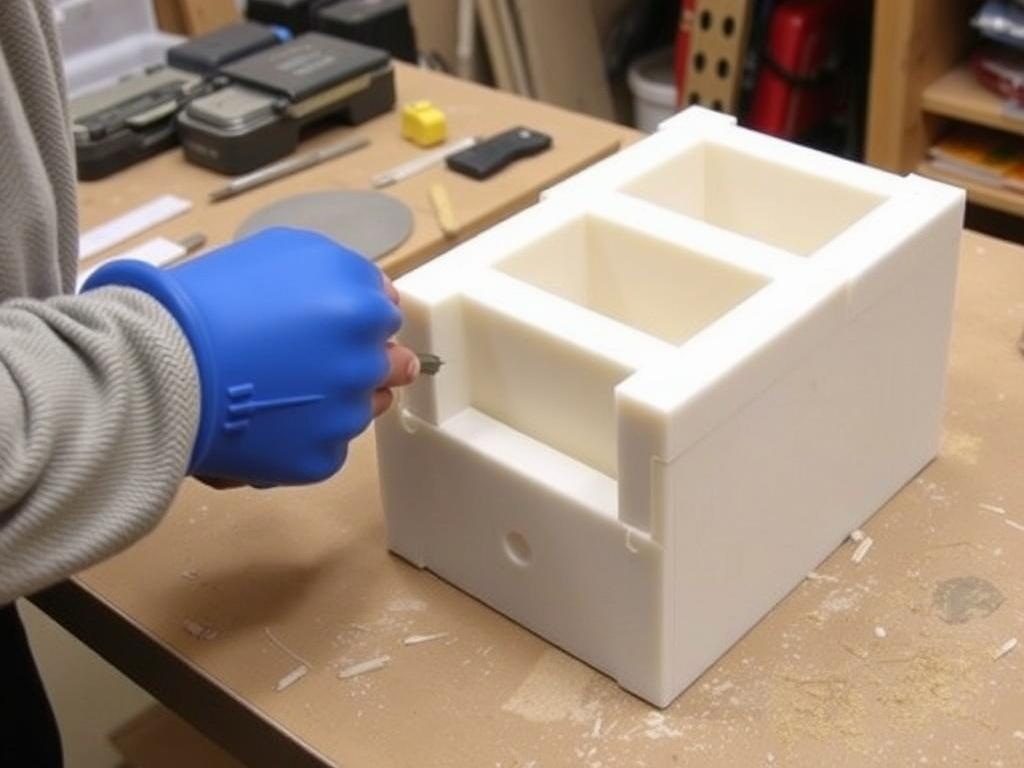
Tight, consistent assembly is what separates a well-built mold from a leaky one. Use plane and level as you assemble: shims, wedges, and temporary clamps should be used to close gaps and compress gaskets. Work from the bottom up, pulling panels into position and using diagonal bracing to maintain geometry as you tighten connection hardware.
Control the sequence of work so that each joint is accessible and inspected before concrete arrives. If the crew must pour through scaffolding or around temporary supports, consider staged pours and use of value-added accessories like temporary cantilevers or loading platforms to protect joints. Careful sequencing reduces the temptation to rush and leave gaps.
Always torque or tighten hardware to the manufacturer’s recommendations where available. Over-tightening can shear ties or deform panels; under-tightening permits movement under load. Where tools measure torque, use them — calibrated consistency beats guesswork every time on critical joints.
Release agents and surface treatments
Release agents reduce friction and sticking so panels strip cleanly, but they also affect the seal at joints. Petroleum-based agents can migrate into gaskets or tapes and reduce adhesion. Use release agents recommended for your panel material and confirm compatibility with adjacent sealants and coatings. Some modern release agents are water-based and biodegradable, offering high release performance with less contamination risk.
For architectural finishes, a consistent release treatment is part of delivering a predictable texture and color. Document and control the application rate of the agent so repeat pours look the same. When contractors vary application, it shows in the concrete coloration and can make repair work more visible.
Shoring, bracing, and temporary supports
Bracing prevents the formwork from bulging and losing alignment under lateral load. Diagonal bracing, rakers, and shores must be sized for the expected loads and arranged to avoid interference with reinforcement placement and concrete flow. Temporary supports carry vertical loads until the concrete reaches specified strength, and they must be left in place until testing or design release criteria allow removal.
Design the shore leg spacing and raker incline to minimize buckling risks under axial loads. For long spans, use spreader beams or additional transverse bracing to distribute loads evenly. For walls, ensure rakers are tied back and anchored so they do not pull out under eccentric loads during high winds or in the event of impact.
On sloped or uneven terrain, use adjustable base plates and sole plates to maintain consistent bearing. Uneven support is a hidden cause of distortion, leading to gaps at joints and unexpected leakage. Properly seat and check all supports before placing concrete.
Concrete placement practices that reduce leaks
How you place concrete affects the loads on formwork and the likelihood of leakage. Avoid dropping large volumes through a single point or overloading the base of a wall by placing too fast. Controlled, spread placement reduces localized pressure and the tendency for form faces to blow out or open at joints.
Use chutes, tremie pipes, or pumps to place concrete closer to final position and reduce lateral pressure spikes. For tall walls or deep pours, stage the pour and allow pressure to dissipate between lifts. Monitor pour rate, slump, and temperature; sudden changes in mix consistency or rapid placement can create unexpected hydrostatic loads.
Vibration is necessary to consolidate concrete, but aggressive internal vibration near the form face can force mortar into joints. Use properly-sized vibrators and train operators to avoid prolonged contact with forms. Surface vibration techniques and external vibrators on forms can improve finish without coercing mortar through gaps.
Inspection and quality control before pouring
Inspection is the last line of defense against leaks before concrete arrives. Implement a checklist to verify panel tightness, gasket condition, tie spacing, shoring placement, and waterstop continuity. Record findings and have a responsible party sign off to ensure accountability. A signed checklist reduces last-minute changes and prevents overlooked gaps.
Use simple tests such as water or air tests on critical joints when uncertainty exists. Temporarily pressurize pocketed joints or pour a small volume of water on the panel line to reveal weak seals. While not always practical on large pours, these spot checks are valuable on architectural or high-risk elements where leaks are unacceptable.
Coordinate inspection timing with other trades. Rebar placement, embedment installation, and formwork preparation often overlap; scheduling a final formwork inspection before reinforcement goes in can catch issues early. Create a punch list and address items immediately; delaying corrections until after rebar placement multiplies work and increases risk.
Testing after the pour
Post-pour inspection verifies that joints held and that the concrete surface satisfies acceptance criteria. Look for seepage, voids, and honeycombing along previously identified high-risk joints. Small repairs immediately after stripping are less costly than large patches after the structure is in service.
On critical structures, consider non-destructive testing methods such as ultrasonic pulse velocity, infrared scanning, or covermeters to locate delamination, voids, or reinforcement inconsistency near joints. These methods add cost but provide valuable assurance where failure has high consequences.
Repair strategies for leaky formwork and poor finishes
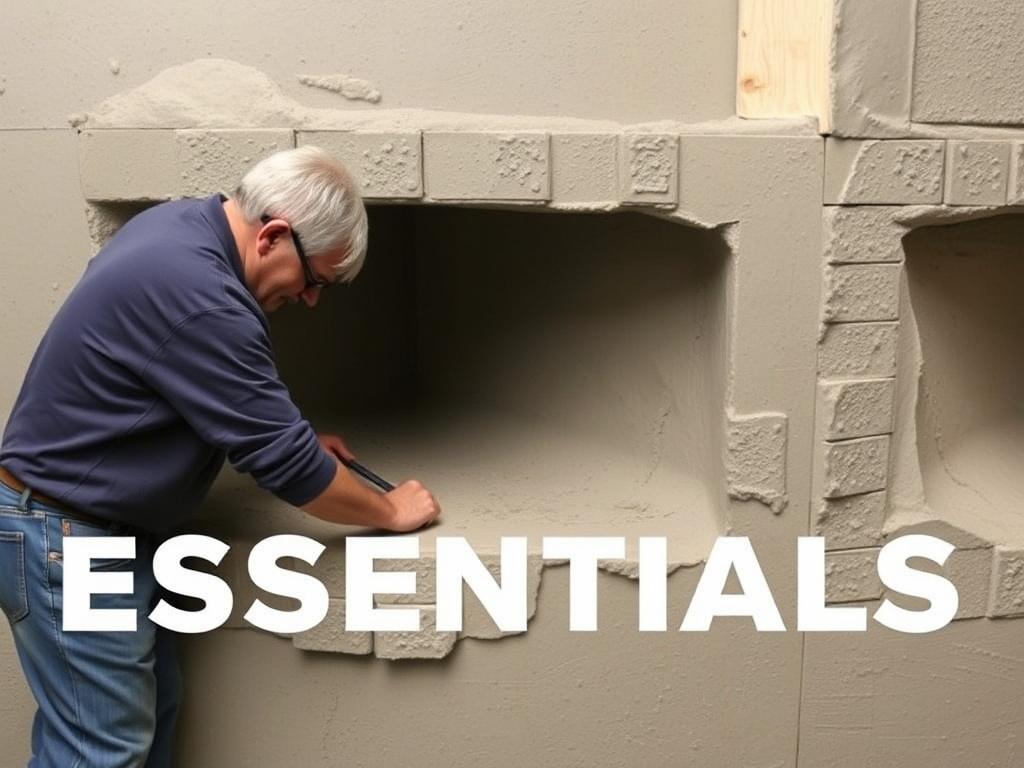
When leaks occur, quick assessment determines whether to repair in place or remove and redo. For minor hairline leaks, surface grouting, injection of epoxy or cementitious grouts, and localized re-forming often suffice. For large blowouts or undermined reinforcement, partial demolition and re-forming may be necessary to restore structural integrity.
Patching technique matters for appearance and durability. Use compatible repair mortars matched to the parent concrete in strength and thermal characteristics. Surface color and texture can be addressed with retarders, grinding, or tactical finishing, but structural repairs should precede aesthetic fixes to avoid masking deeper issues.
Document repairs thoroughly with photos and descriptions of method and materials used. This record helps future maintenance planning and provides a paper trail for warranty claims or dispute resolution. Often the cheapest repairs are the well-documented ones that allow efficient inspection and targeted remediation.
Common mistakes and how to avoid them
Several recurrent errors drive most formwork failures: under-designed bracing, inconsistent joint preparation, poor sequencing, and inadequate inspection. Addressing these root causes reduces both leak risk and overall project variability. Focus on discipline and repeatable processes rather than heroic fixes at the last minute.
Relying on memory rather than documented procedures invites inconsistency. Establish standard operating procedures for common assemblies, store these with the project plans, and brief crews at shift handover. Small teams that follow the same routines produce predictable and better outcomes than larger teams improvising on-site.
Another frequent mistake is mixing incompatible materials — for example, a solvent-based sealant next to a hydrophilic gasket that may be poisoned or inhibited by the solvent. Check chemical compatibility before applying adjacent materials, and keep product data sheets on-site for quick reference during installation.
Safety, access, and worker considerations
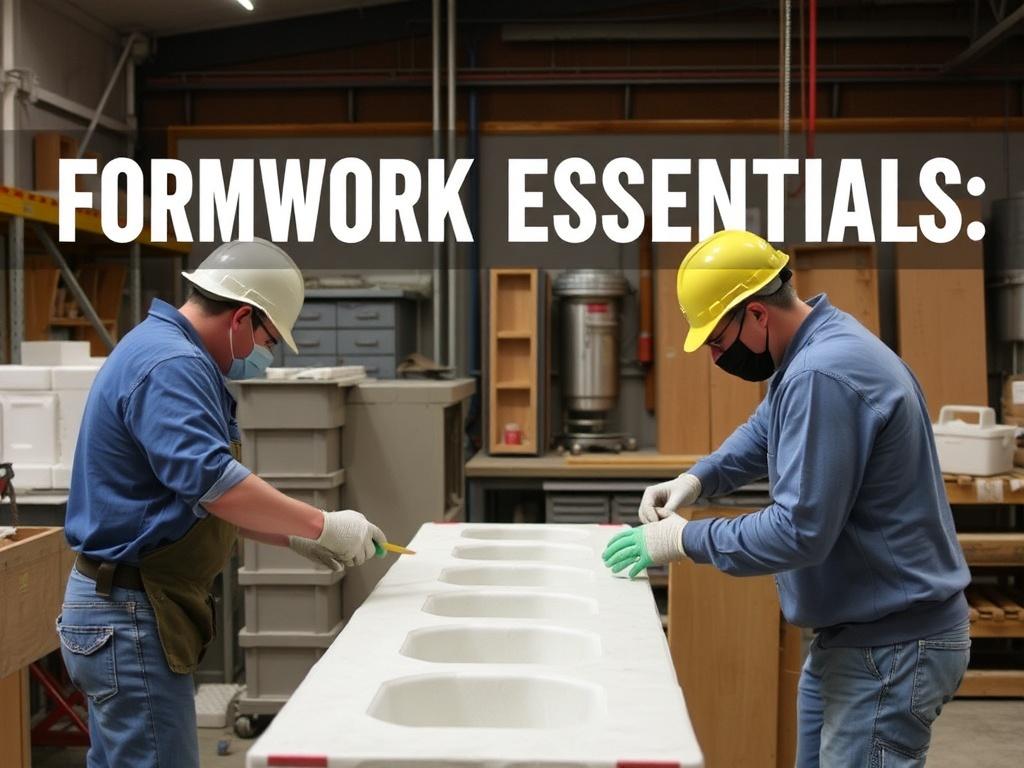
Formwork work is physical and often at height; prioritize safe access and handling. Provide platforms, guardrails, and secure laddering to reduce fall risk during assembly and stripping. Improper access leads to rushed work and shortcuts that increase leak and failure potential.
Manual handling of heavy panels requires planned lifts and adequate manpower or lifting equipment. Use lifting fixtures and spreader beams for large panels and enforce safe rigging practices. A single dropped panel can damage molds so severely that tight joints are no longer possible without costly repairs.
Train crews on proper installation of seals, waterstops, and ties. Skilled labor makes precise adjustments that prevent leaks, while inexperienced labor can inadvertently introduce gaps or misalign seals. Investing in training reduces rework and builds a team capable of executing tight-tolerance molds consistently.
Sustainability and life-cycle thinking
Reusability of formwork material is a sustainability lever often overlooked on small projects. Durable steel or aluminum systems amortize their embodied energy over many cycles, while disposable timber contributes to waste and site cleanup costs. Consider the expected number of repeats when choosing materials to minimize life-cycle environmental impact.
Maintenance is part of the sustainability equation. Simple routines — cleaning, edge sealing, and repair of damaged panels — extend service life and ensure joints remain reliable. Store panels in dry, covered racks to prevent moisture damage and routine staining that compromises gasket seals and adhesion of tapes.
Choose release agents and sealants with lower volatile organic compound (VOC) content where possible to improve site air quality and worker safety. Biodegradable products and mechanically-cleanable finishes lower downstream waste management costs and environmental impact over time.
Cost considerations and budgeting for leak prevention
Leak prevention adds upfront cost in materials, labor, and time, but it lowers downstream expenses in repair, finishing, and schedule disruptions. Budget for quality formwork systems, adequate shoring, and inspection time rather than planning to fix leaks after they occur. The trade-off is rarely favorable to deferred spending on quality.
Use cost-benefit analysis: compare the unit cost of a higher-grade panel or gasket to the expected cost of rework if a leak occurs. On repetitive elements, higher initial cost typically pays back quickly. For unique architectural components, factor in the value of appearance and potential liability for visible defects when allocating budget for premium systems.
Factor in rental and maintenance costs when choosing engineered systems. High-quality panels often command rental premiums but save labor and remedial expenses. Track your formwork utilization rates in project planners to justify investment in reusable systems for organizations that perform multiple similar projects per year.
Standards, codes, and recommended references
Design and execution should reference authoritative guidance. In the United States, ACI 347 provides a comprehensive guide to formwork for concrete, covering design, construction, and dismantling. Local building codes and project specifications may reference additional ASTM standards for waterstops, ties, and sealants. Keep current copies of applicable standards in your office library.
Manufacturers of formwork systems publish engineering data, permissible shore spacings, and tube loads. Use their published tables for initial sizing and confirm with project-specific calculations where loads or geometries deviate from standard conditions. When in doubt, consult a structural engineer experienced in formwork design to avoid under-specifying temporary works.
Continuous learning is important: attend product workshops, training clinics, or trade associations that cover new materials and techniques. Practical seminars often reveal on-site tricks and common pitfalls that are not obvious from code language alone.
Real-world examples and lessons from the field
On a waterfront retaining wall we built, early pours suffered seepage at the base despite tight-looking forms. Investigation showed that repeated wetting and drying of untreated plywood had caused microscopic gaps at lap joints. Replacing the lower course with coated plywood and adding PVC waterstop at the base eliminated the leak source and saved the schedule from further delays.
On another job, a contractor switched to oversized snap ties to speed assembly, but the ties allowed concrete to funnel through the tie sockets during a heavy pump pour. The fix was simple but costly: we cut and replaced 50 feet of wall face, installed reusable cone recesses, and changed to a lower-flow placement sequence. The lesson was clear — a small hardware shortcut multiplied into a major correction.
These examples emphasize preparation and respect for small details. Tight planning, mock-ups for architectural walls, and pilot pours on complicated interfaces allow teams to identify weaknesses before the full pour. Practical rehearsals and mock-ups also build confidence in the workmanship and reduce surprises when the concrete is actually placed.
Best-practice checklist for leak-proof formwork
Below is a practical checklist to reference during planning and execution. Use it as a daily or phase-specific guide to keep attention focused on high-risk items that commonly cause leaks and rework.
- Confirm material selection suits repetition, finish, and load requirements.
- Verify hydrostatic and lateral pressure assumptions for the planned mix and pour rate.
- Inspect gasket and waterstop placement for continuity and correct orientation.
- Ensure ties and anchors are the specified type and torqued to recommended values.
- Check shoring and bracing alignment and bearing conditions before pouring.
- Control concrete placement rate and location to minimize localized pressure.
- Use compatible release agents and sealants; check product data sheets on-site.
- Document inspections with photos and sign-offs before each pour.
Training and team communication for consistent results
Building leak-proof molds requires coordinated effort among foremen, carpenters, ironworkers, and concrete crews. Create pre-pour briefings that outline critical joint locations, assembly tolerances, and the plan for placement. Clear communication reduces improvisation and encourages team ownership of quality outcomes.
Provide hands-on training in sealing techniques, waterstop installation, and tie setting so that the crew understands why each step matters. Written procedures are useful, but short demonstrations and on-the-spot coaching have the most traction for practical skills. Rotate experienced crew members into supervisory roles to spread knowledge and keep standards consistent across shifts.
Encourage reporting and feedback. When a crew identifies a recurring joint issue, adapt the standard detail and document the new approach. Continuous improvement, rather than rigid adherence to a single initial plan, maintains quality while accommodating site realities that evolve during a job.
Tools and equipment that make sealing easier
Specialized tools speed installation and make joints more consistent. Caulking guns with controlled output, heat welders for PVC waterstops, and hydraulic torque wrenches for tie hardware reduce variability. Invest in a few high-quality tools that last and provide consistent results across the crew.
Use laser levels and digital inclinometers to verify panel alignment quickly. Small inaccuracies become obvious over long runs, and measuring tools allow crews to correct the assembly before concrete complicates access. For large projects, a portable formwork calibration kit pays dividends by speeding the verification process at several locations simultaneously.
Document tool requirements in the method statement and keep spares on-site for critical consumables like sealant cartridges and gasket strips. Downtime searching for a tool or waiting for a replacement part is an avoidable schedule risk that often correlates with compromised quality.
When to call in an engineer or specialty contractor
Complex geometries, unusual loads, or architectural surfaces with zero tolerance for blemishes justify consulting an engineer or hiring a specialty formwork contractor. These experts bring engineered details, proprietary systems, and field experience that reduce risk. For single-use, highly finished components, the specialty route can be more economical than improvising with generic systems.
In retrofit or repair work where existing structure conditions are uncertain, an engineer’s assessment protects both safety and budget. Unforeseen conditions like poor bearing, active groundwater, or hidden reinforcement can change the formwork approach mid-job. Early engineering input reduces surprises and preserves structural and schedule integrity.
Specialty waterproofing contractors also add value for below-grade or water-retaining structures. They understand compatible materials, sequencing around curing, and testing regimes that validate joint performance before backfill or exposure to water.
Documentation and record-keeping best practices
Keep a clear record of formwork drawings, shop drawings, product data sheets, and inspection checklists. These documents support quality assurance, permit faster troubleshooting, and provide a forensic trail if disputes arise. Digital photos tied to daily reports are invaluable for showing the state of joints and seals before pouring.
Log changes to formwork details with revision numbers and include sign-offs from the responsible engineer when deviations occur. Ad hoc fixes are common on site, but undocumented alterations can create liability and complicate future maintenance. A disciplined record-keeping culture protects both contractor and owner.
For repetitive elements, create a formwork family file with the chosen seals, tie types, and assembly notes so subsequent units are built to the same standard. This library reduces the need to reinvent details and helps maintain consistent quality across the project lifespan.
Formwork is as much about people and process as it is about materials. Thoughtful design, disciplined assembly, appropriate materials, and relentless inspection create molds that are both strong and watertight. Treating small details — joints, ties, gaskets, and support — with respect pays back in fewer repairs, better finishes, and predictable schedules. When teams invest a little more time and planning up front, the concrete pour goes smoothly and leaves behind a structure built to last.