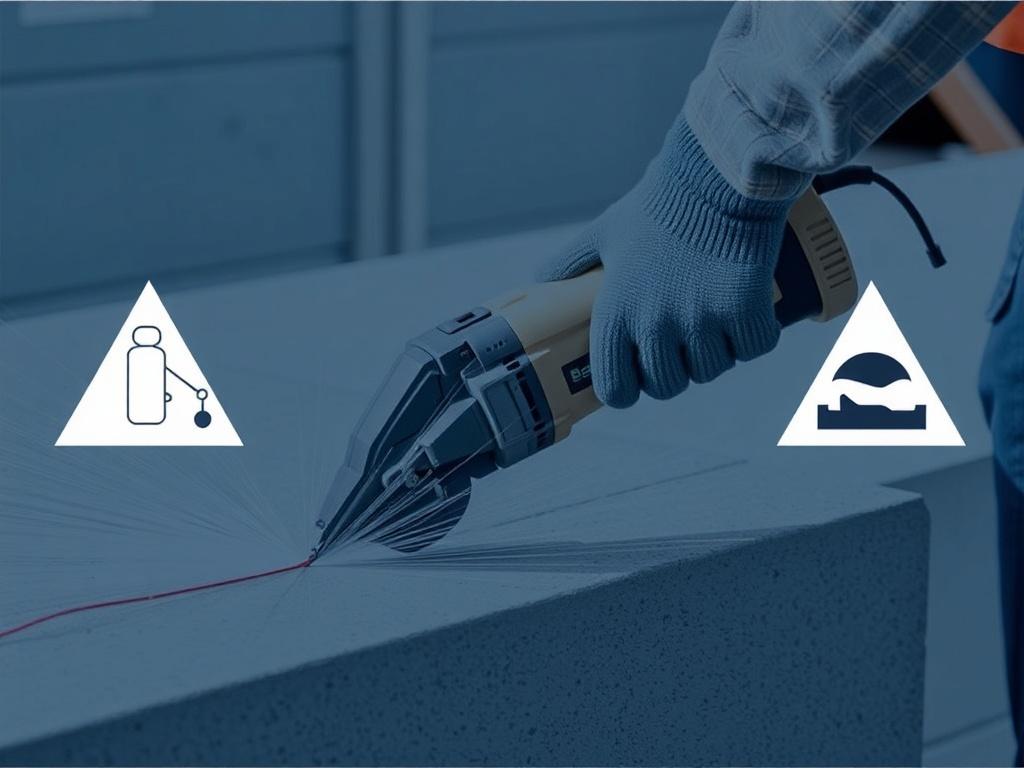
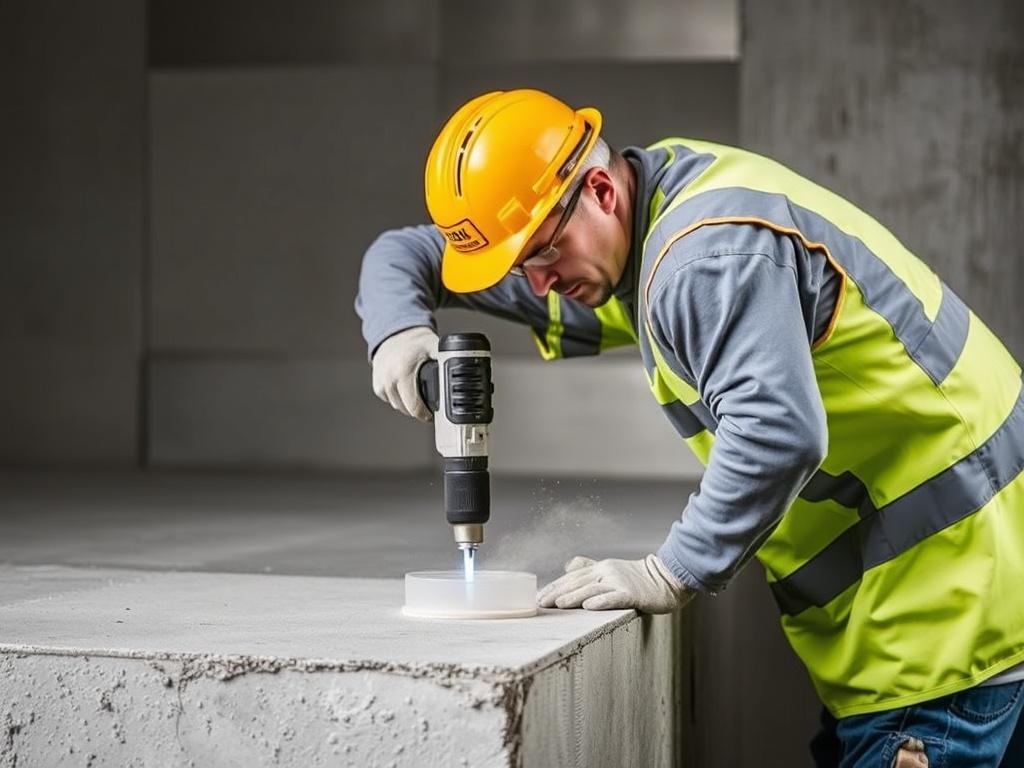
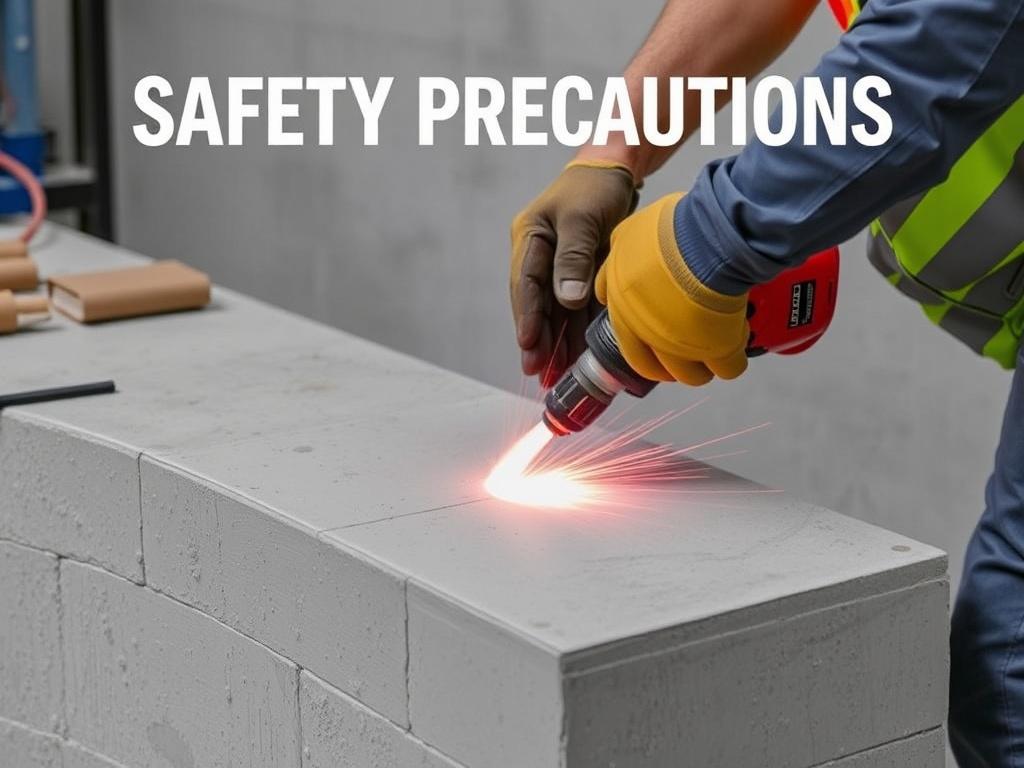
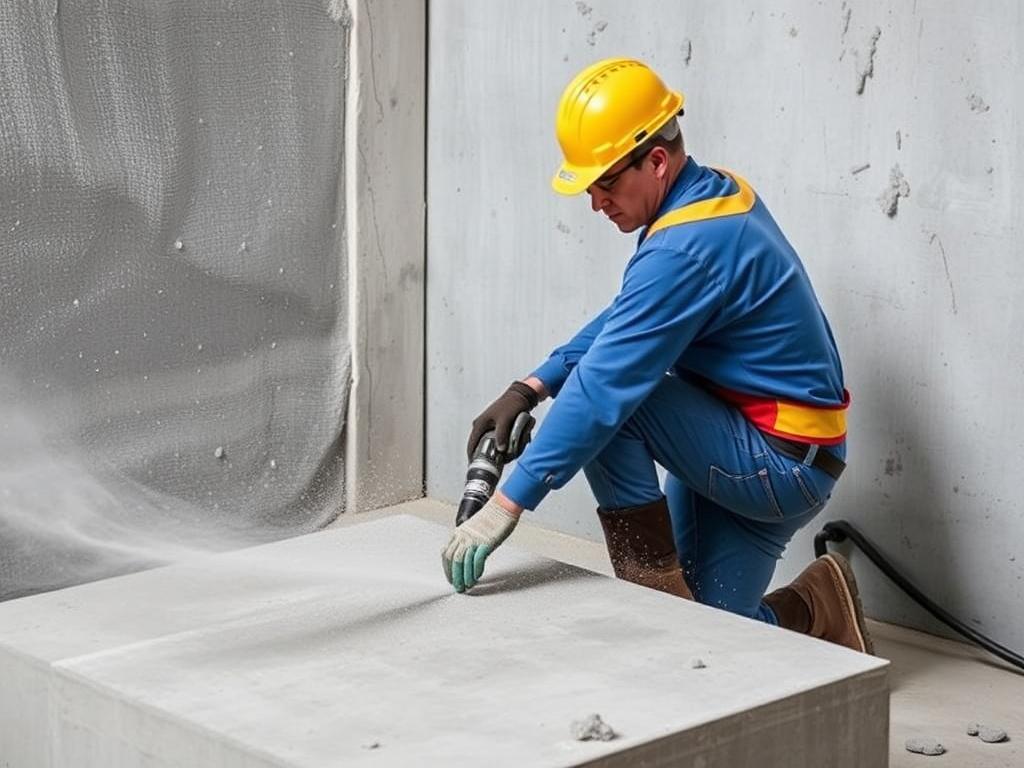
Concrete is stubborn and precise work demands respect: dust flies, bits heat, and hidden surprises lurk beneath the surface. Whether you’re chasing a small plumbing chase in a slab or taking a concrete slab saw to a sidewalk, a calm, systematic approach prevents injury and costly mistakes. This article walks through practical safety measures, from personal protective equipment and tool selection to jobsite planning and emergency response.
Read on for concrete-tested techniques, checklists, and real-world insights that I’ve gathered over years of hands-on projects. You’ll get actionable steps you can use before a cut, during drilling, and when cleaning up afterward.
Why planning is the first safety step
Every safe cut begins long before the blade spins. A brief but thorough site assessment reduces risk dramatically: locate utilities, understand the structure you’re altering, and visualize how debris and dust will behave. Rushing into a cut without this groundwork invites unexpected hazards, delays, and rework.
Planning also means choosing the right team and tools. Even a small one-person job benefits from a helper who monitors surroundings, holds barriers, or fetches equipment; on larger jobs, formal permits and crew briefings are essential. Clear communication prevents most surprises that lead to accidents.
Document your plan. A simple pre-task checklist—showing tool condition, PPE, water and dust controls, and emergency contacts—keeps everyone on the same page and creates accountability. It takes minutes but pays back in safety and efficiency.
Personal protective equipment that actually protects
PPE is the last line of defense and must be matched to the hazard. For cutting and drilling concrete that means eye and face protection, respiratory protection for silica dust, hearing protection for powered equipment, and durable gloves and footwear. Don’t substitute convenience for protection; ill-fitting or inadequate PPE becomes useless at the critical moment.
Fit and maintenance matter. Safety glasses should seal well; respirator cartridges must be changed; ear protection should be comfortable enough to wear for the entire task. Train the crew on correct donning and storage so equipment remains effective and available.
Below is a concise PPE checklist to use before starting any cutting or drilling operation. Use it as a quick pre-task verification.
PPE item
Minimum standard
Purpose
Eye protection
Safety glasses with side shields or face shield
Protects from chips and flying debris
Respirator
N95 or P100 (task-dependent) with fit test
Reduces respirable crystalline silica exposure
Hearing protection
Earplugs or earmuffs rated for high dB
Prevents hearing damage from saws and drills
Gloves
Cut-resistant, vibration-damping gloves
Improves grip and reduces vibration injuries
Footwear
Steel-toe or composite-toe boots with slip-resistant soles
Protects against falling tools and slips
Head protection
Hard hat where overhead hazards exist
Shields from falling objects and bumps
Eye and face protection
Concrete chips are irregular and can ricochet. Safety glasses alone are often fine for small, contained operations, but use a full face shield when grinding or cutting overhead or when a lot of fragments are expected. Replace scratched lenses; vision-compromised eyewear increases risk.
Keep eyewash available on site when chemical admixtures are near the work area. Quick response to an eye injury reduces the likelihood of permanent damage.
Respiratory protection
Respirable crystalline silica, generated by cutting and grinding concrete, is a serious long-term health hazard. For many cutting tasks, a properly fitted N95 respirator is the minimum. For higher exposures or prolonged tasks, use a P100 respirator or supplied-air system, and follow OSHA guidance for fit testing and medical evaluation.
Respirators are effective only when maintained and worn correctly. Store cartridges in sealed containers, inspect seals and straps, and replace filters on manufacturer timelines or if breathing becomes difficult.
Hearing, head, hands, and feet protection
Power cutting and core drilling produce sustained noise that can exceed safe hearing thresholds quickly. Use ear protection rated for the noise level and encourage periodic removal for hearing checks during long shifts. Helmets and gloves protect against blunt trauma and vibration-related injuries when equipment is heavy or awkward.
Choose boots with good ankle support and slip resistance. Wet cutting can create slick surfaces; the combination of heavy machinery and slippery footing is a common cause of falls on concrete jobs.
Tools and equipment: picking the right machine for the job
Choosing the appropriate saw or drill reduces the chance of tool failure and operator error. For small notches and patch work, an angle grinder or handheld saw may suffice; for deep cuts or long runs, a walk-behind concrete saw is far more efficient and stable. Core drills are designed for precise holes and reduce vibration compared with hammer drilling in large diameters.
Consider tool ergonomics: weight, balance, anti-vibration features, and ease of control. Heavier isn’t always better; a more powerful but cumbersome saw increases operator fatigue and chances of a slip. Rent specialized equipment for one-off projects rather than improvising with ill-suited machines.
Inspect tools before every use. Look for cracked housings, frayed cords, loose guards, and worn switches. A pre-use inspection is a short habit that catches major safety risks before they become incidents.
Blades, bits, and accessories
Use blades and bits rated for concrete and compatible with your tool. Diamond segments are the standard for cutting concrete and reinforced concrete; ensure segment condition and correct mounting direction. For drilling, diamond-tipped core bits cut cooler and faster in large diameters than masonry bits with hammer action.
Match RPM and arbor size to both blade and machine. Over-speeding a blade or mounting it improperly can cause catastrophic failure. Keep spare consumables on hand so operators are not tempted to use damaged parts to save time.
Power sources and cord safety
Electric tools must be grounded or double-insulated and plugged into GFCI-protected circuits, especially when water is used for dust suppression. Check cords for exposure and use cable protectors when cords cross walkways. Never use damaged cords; a quick splice or taped repair is insufficient in a wet, abrasive environment.
Gas-powered equipment brings its own hazards: exhaust buildup, fuel handling, and vibration. Ensure adequate ventilation for engines and safe fueling practices—refuel only when the engine is cool and away from ignition sources.
Site preparation and hazard assessment
Spend time identifying hidden hazards. Use utility locators, review as-built drawings if available, and physically probe around the cut area where possible. Striking a live conduit or gas line is one of the most dangerous and costly mistakes at a concrete job.
Establish exclusion zones and signage to keep bystanders and coworkers at a safe distance. Falling chunks and flying debris don’t respect common sense—barriers, tape, and spotters are cheap ways to prevent injuries to passersby.
Plan for material movement and waste collection before cutting starts. Holes and trenches alter traffic patterns and create trip hazards; ensure safe access and remove debris promptly to keep the work area orderly.
Controlling dust and silica exposure
Silica dust is invisible and accumulates quickly. Effective controls combine engineering measures like wet cutting and local exhaust ventilation with administrative controls such as limiting exposure time and offering medical surveillance. Treat dust control as an integral part of the job, not an optional add-on.
Use HEPA-filtered vacuums with shrouds for handheld grinders and saws. For many tasks, combining a vacuum with wet cutting provides the best reduction in airborne respirable silica. Confirm that vacuum filters are certified HEPA and maintained per manufacturer instructions.
Keep nearby workers out of the dispersion zone or provide them with proper respiratory protection. Remember that wind, enclosed spaces, and reflective surfaces affect how dust spreads—adjust controls accordingly.
Wet cutting vs dry cutting
Wet cutting uses water to suppress dust at the cutting face, turning airborne silica into settled slurry. It’s very effective for saws and core drills when water can be reliably delivered to the cut. However, wet cutting requires slurry management and may not be practical in all indoor settings without containment and drainage planning.
Dry cutting relies on vacuums and work practices to limit dust. It’s necessary where water would damage structures or finishes, but it requires high-performance HEPA vacuums and more frequent filter maintenance. Evaluate the environment and regulatory requirements before choosing a method.
Safe cutting and drilling techniques
Mark the cut clearly and rehearse the sequence before powering up. Use guides, straightedges, and reference lines to avoid wandering cuts. A fast, poorly guided cut causes binding, kickback, and excessive tool wear.
Start shallow passes when possible. For sawing, make a shallow starter cut to establish a track, then deepen incrementally. This reduces blade stress and helps maintain control while reducing heat buildup which can warp blades.
Core drilling should begin at low speed with steady pressure, allowing the bit to establish its path. Excessive force generates heat and accelerates wear; let the tool do the work and maintain stable, even pressure.
Confirm the area is clear, utilities located, and PPE is worn.
Set barriers and assign a spotter for bystander safety.
Position and secure the tool, check water/vacuum connections.
Make a shallow starter pass, then deepen or enlarge in controlled steps.
Stop periodically to clear slurry or dust, inspect consumables, and rest to avoid fatigue.
Managing rebar and embedded materials
Rebar greatly affects blade choice and technique. Blades will bind or change trajectory when striking reinforcement. Use blades labeled for reinforced concrete and expect slower cuts; anticipate sparks and increased vibration when metal is encountered.
Expose rebar when feasible and cut longitudinally before removing sections. For holes, use rebar-cutting bits or alternate techniques, and be prepared to switch to an abrasive blade or saw designed for metal if the rebar is substantial.
Avoiding structural damage
Cutting a control joint is different from cutting a load-bearing member. Understand load paths and the role of the concrete element you are altering. If you’re unsure, consult structural drawings or an engineer; correcting a wrong cut is expensive and sometimes impossible.
When in doubt, perform nondestructive testing—such as ground-penetrating radar or core sampling—to map rebar and voids. These diagnostics prevent surprises that can compromise structural integrity or safety.
Electrical safety and working around utilities
Before any cut, call local utility marking services and verify the location of buried lines. Even on private property, verify all known and potential lines—electrical conduit, communication cables, gas, and water. Never rely solely on visual cues; use detection tools and, when necessary, pothole with hand tools to expose utilities safely.
Use GFCI protection on all electric tools, particularly where water suppression is in use. Inspect cords and plugs for damage and replace failing components immediately. Lockout/tagout procedures should be used when cutting near live electrical equipment.
When cutting near embedded electrical wiring in slabs or walls, shut off circuits where possible and confirm zero voltage before proceeding. A single strike to a live conductor can deliver a fatal shock and ruin your equipment.
Noise, vibration, and long-term health
Prolonged exposure to the noise and vibration of cutting and drilling can cause hearing loss and hand-arm vibration syndrome. Rotate tasks among crew members to limit individual exposure and use anti-vibration gloves and tool mounts where available. Document exposure durations and provide regular audiometric testing when noise levels are high.
Consider quieter equipment models or supplemental noise barriers in urban or inhabited settings. Customers notice loud work; reducing noise often improves relationships with neighbors and building occupants while protecting workers.
Working in confined spaces and ensuring ventilation
Confined areas—basements, crawlspaces, and inside structures—concentrate dust and exhaust. Ventilate by bringing in fresh air and exhausting contaminants out. If ventilation is inadequate, use supplied-air respirators and continuous atmospheric monitoring for oxygen levels and toxic gases.
Confined-space entry procedures, permits, and rescue plans should be in place when a worker is cutting or drilling in an enclosed environment. Even seemingly minor jobs can require full confined-space protocols when conditions reduce oxygen or raise contaminants.
Lifting, handling, and ergonomics
Concrete work is physically demanding. Use mechanical aids for heavy equipment and limit overhead work where possible. Teach safe lifting techniques and plan breaks to prevent muscle strain and fatigue-related mistakes. Small changes—using a cart, sharing the lift, or raising the work height—reduce injury risk significantly.
When operating handheld grinders or saws, use both hands and maintain a stable stance. Fatigue reduces reaction time; stop work when control deteriorates and rest instead of pushing through a shift.
Training, supervision, and documentation
People make the difference. Regular, hands-on training in tool operation, hazard recognition, and emergency response produces safer outcomes than written policies alone. Practical drills—like simulated dust-control setup or emergency shutoff practice—build muscle memory for critical actions.
Supervision matters for both novices and experienced workers. Periodic audits and observation catch complacency and reinforce correct practices. Keep training records, pre-task checklists, and incident logs; these documents aid continuous improvement and regulatory compliance.
Maintenance, inspection, and proper storage
A neglected saw is a dangerous saw. Replace worn blades, change filters, and follow manufacturer maintenance schedules. Lubricate moving parts and inspect guards and brakes before every shift. Preventive maintenance avoids sudden failures that could cause injury or project delays.
Store blades and bits in dry, labeled racks and keep consumables organized. Moisture and impact damage degrades performance and can create hidden hazards when components fail under load.
Emergency preparedness and first aid
Have a clear emergency plan: the chain of command, nearest medical facility, and the location of first aid kits and eyewash. For serious injuries, rapid response—stopping the equipment, controlling bleeding, and calling emergency services—saves lives. Train crew members in basic first aid and have a designated person responsible for emergency gear checks.
Address chemical exposures, dust-related symptoms, and heat illness proactively. Monitor workers for signs of distress and stop work to evaluate when symptoms appear instead of assuming they will resolve on their own.
Waste management and cleanup
Slurry and dust from concrete work require careful handling. Let slurry settle where possible, then collect and dispose of solids according to local regulations. Avoid washing slurry into storm drains or sanitary systems; use designated containment and disposal methods.
Dry cleanup with HEPA vacuums is preferable to sweeping, which re-aerosolizes silica dust. When water is used, manage wastewater and provide secure containment to prevent contamination of surrounding areas.
Legal and regulatory considerations
Construction and demolition activities are regulated for good reason. Familiarize yourself with local permitting requirements, OSHA standards for silica and powered equipment, and environmental rules regarding slurry and wastewater. Noncompliance can lead to fines, stop-work orders, and liability in the event of injury.
Employers are responsible for providing required PPE, training, and exposure control measures. Keep records of training, fit testing, and exposure monitoring when applicable, and make safety data sheets for any chemicals on site available to workers.
Real-life examples and lessons learned
On a renovation job where we needed to cut multiple openings in a slab for plumbing, we started without consulting drawings and hit conduit on day two. The repair cost three times more than the time we would have spent locating utilities, and a worker received a shock that required emergency care. Ever since, we begin every job with utility scanning and clear markings.
Another project involved indoor wet cutting with inadequate slurry control. Water carried the slurry into a nearby HVAC intake, spreading contamination. We implemented containment zones and a separate filtration path for slurry disposal after that incident, which eliminated cross-contamination and improved client satisfaction.
These examples highlight that the cheapest or fastest approach up front often becomes the most expensive after an incident. Investing in measures like locator services, proper dust control, and training saves time, money, and health in the long run.
Troubleshooting common problems
Blade binding: If your blade binds, stop immediately, retract the blade if possible, and inspect for unexpected rebar or a misaligned cut. Don’t attempt to force the blade through; try changing the blade type or taking shallower passes.
Excessive dust: When dust levels rise, check vacuum connections, replace clogged filters, and verify water feed if wet cutting. Consider adding a secondary HEPA vacuum or modifying work sequences to allow settling time between operations.
Overheating bits: Frequent overheating often indicates dull cutting edges or insufficient coolant. Replace or sharpen bits and improve water delivery or reduce feed pressure to allow cooling.
Cutting and drilling concrete demands respect for equipment, materials, and people. Apply a planning-first mindset, choose the right tools, and maintain a culture of safety where PPE and controls are non-negotiable. The time spent on setup, inspection, and training repays itself through fewer incidents, better quality, and smoother project delivery.
Use the checklists, techniques, and examples here to build your own job-specific safety plan. When every team member understands the hazards and the controls, concrete cuts become predictable tasks rather than dangerous gambles.