Cement and concrete are the backbone of construction, but their convenience hides real hazards. A dusty bag, a clogged silo, or a careless splash of fresh mix can cause injury, long-term illness, schedule delays, and costly cleanups. This article walks through practical, proven practices for reducing risk at every stage—from the delivery truck to the finished slab—so teams can work efficiently without exposing people or the environment to harm.
Why safety matters: health, financial, and operational consequences
Exposure to cement dust or wet concrete can lead to immediate injuries like eye irritation and chemical burns, and long-term effects such as dermatitis and respiratory disease. Respirable crystalline silica from sand and other aggregates contributes to silicosis, a permanent lung condition that remains common in construction if controls are absent. Protecting workers is both a moral obligation and a practical necessity; accidents and illnesses disrupt schedules, increase insurance costs, and erode workforce morale.
Beyond human harm, improper storage and handling create operational headaches. Moisture penetration in bagged cement ruins product, contaminated aggregates weaken mixes, and clogged silos can stop a plant for hours while crews clear jams. Simple preventative measures—proper stacking, weather protection, and routine inspections—often save far more than they cost by keeping jobs moving and materials usable.
Regulatory oversight adds another dimension. Employers are expected to maintain hazard communication, provide suitable personal protective equipment, and control exposures to airborne hazards. These obligations intersect with good project management: safety documentation, training, and consistent procedures improve quality while keeping companies compliant and workers healthier.
Understanding the materials: what you’re handling and why it matters
Cement and concrete are not a single substance; they represent a family of materials with different risks and storage needs. Portland cement is a fine alkaline powder, aggregates include sands and gravels with varying silica content, admixtures are primarily chemical solutions or powders, and fresh concrete is a caustic, abrasive slurry until it cures. Each component calls for tailored controls to prevent health risks, contamination, and product loss.
Knowing the properties of the materials on your site helps you choose the right controls. For example, high-silica sand demands stricter dust control than coarse gravel, and certain admixtures require temperature-controlled storage. Make a habit of reading technical data sheets and safety data sheets for each material before they arrive so handling plans are matched to the hazards.
Finally, material interactions matter. Salt or organic contamination in aggregates can interfere with concrete chemistry, while mixing incompatible admixtures can ruin batches or create dangerous reactions. Segregate and label storage areas to avoid accidental mixing and to preserve the performance of each product.
Cement powder hazards
Cement is irritating and caustic when it contacts skin and eyes; prolonged wet contact with fresh cement can cause chemical burns. The fine dust penetrates into skin creases and can exacerbate dermatitis. Inhalation of dust contributes to nasal and respiratory irritation, and repeated exposure to respirable crystalline silica—present in some cement components or mixed with aggregates—can lead to chronic lung disease.
There are also sensitization risks. Some cement contains hexavalent chromium in small amounts, which can cause allergic contact dermatitis in sensitized workers. Modern cements and additives often reduce chromium content or include chromium-reducing agents, but you should still treat cement as a potential sensitizer and use protective measures to eliminate skin and inhalation exposure.
Aggregates and silica risks
Aggregates—sand, gravel, crushed stone—seem inert, but they are the largest source of respirable crystalline silica on many sites. Dry handling, stockpile transfer, and cutting or grinding operations generate fine dust that can penetrate deep into the lungs. Wet suppression and local exhaust dramatically reduce airborne silica during transfer and processing.
Stockpile management matters too. Segregation, contamination by foreign debris, and moisture changes affect mix quality. Keeping aggregates staged properly and testing them periodically helps maintain consistent concrete performance while reducing the likelihood of dust generation and product wastage.
Admixtures and chemical risks
Admixtures improve workability, strength development, and durability, but they are chemicals with their own precautions. Some are corrosive, others are flammable, and many are irritants if spilled on skin or inhaled as aerosols. Store admixtures in their original containers, secure caps and lids, and keep incompatible materials apart.
Temperature can be critical for admixtures. Some superplasticizers and liquid chemicals must be kept above freezing and within a specific temperature range to remain effective. Planning storage locations with appropriate temperature control and secondary containment will protect product performance and avoid emergencies from ruptured containers.
Fresh and hardened concrete risks
Fresh concrete is caustic and abrasive; workers who kneel in wet concrete or get it splashed on unprotected skin can suffer painful burns. It also traps heat during hydration; in large pours, temperature rises can create thermal stress and burns or affect curing quality. Good PPE, immediate cleaning of splashes, and attention to mass pours reduce these hazards.
Hardened concrete presents hazards too: cutting, drilling, and demolition create silica-laden dust and flying debris. Use water suppression, local exhaust ventilation, and appropriate respiratory protection when working with cured concrete to protect lungs and eyes.
Personal protective equipment and hygiene: what to wear and why
PPE is the final barrier between workers and hazards, so it must be chosen carefully and used consistently. For cement and concrete work, that usually means eye protection, gloves that resist alkaline solutions, waterproof boots, long sleeves, and appropriate respiratory protection. Basic PPE is inexpensive compared with the costs of an avoidable burn, allergic reaction, or chronic illness.
Eye protection should be goggles or a face shield that seals against dust and splash. Regular safety glasses are not enough when working with wet concrete or dusty cement. Ensure eyewash stations and emergency showers are within easy reach of the work area and that workers know how to use them quickly.
Respiratory protection depends on the task. NIOSH-approved filtering facepieces (N95) are suitable for low levels of nuisance dust, while tasks that generate respirable crystalline silica may require elastomeric respirators with P100 filters or supplied-air systems. Respirator selection must follow a written program that includes fit testing and medical evaluation.
Task
Recommended PPE
Handling dry cement bags
Gloves (nitrile or neoprene), dust mask (N95), safety glasses, long sleeves, steel-toe boots
Mixing/placing fresh concrete
Waterproof gloves, waterproof boots, face shield/goggles, long sleeves, respirator if dust present
Silo maintenance/confined space
Full PPE, supplied-air respirator, harness, gas monitor, attendant outside
Cutting or grinding hardened concrete
Respirator with P100 filters, eye protection, hearing protection, cut-resistant gloves
Safe manual handling and ergonomics
Cement bags and aggregate sacks are heavy and awkward, and repeated lifting without technique or aids leads to strains and sprains. Train crews in safe lifting techniques—bend at the knees, keep the load close to the body, and avoid twisting while lifting—and encourage job rotation to reduce repetitive strain. Use mechanical aids wherever practical: pallet jacks, forklifts, hoists, wheelbarrows, and conveyors are investments that pay back through fewer injuries and consistent productivity.
When lifts must be manual, plan the work area so paths are short, clear, and level. Store frequently used bags at waist height to minimize bending and consider lightweight bagging options when available. If bags must be carried a distance, use two-person carries or hand trucks to protect backs and shoulders.
Also consider vibration and noise. Some tools used in concrete work transmit vibration that can contribute to hand-arm vibration syndrome over time; use anti-vibration gloves and limit continuous exposure. Hearing protection should be used near loud equipment like breakers and saws to prevent cumulative hearing loss.
Storage best practices for bagged cement and small containers
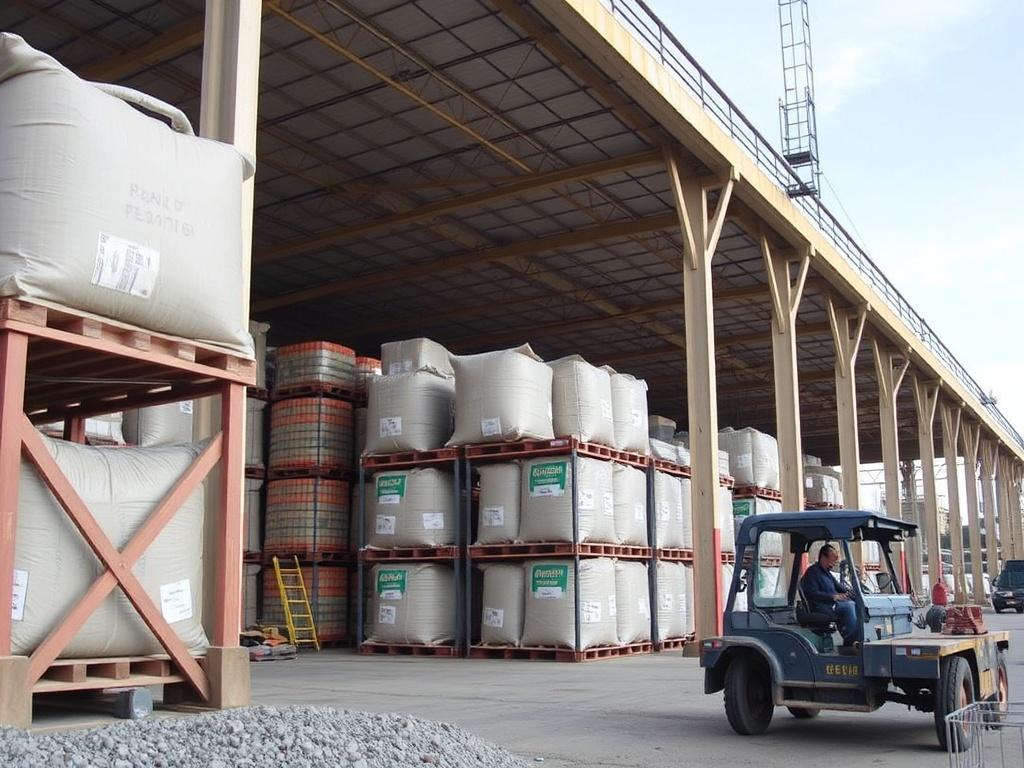
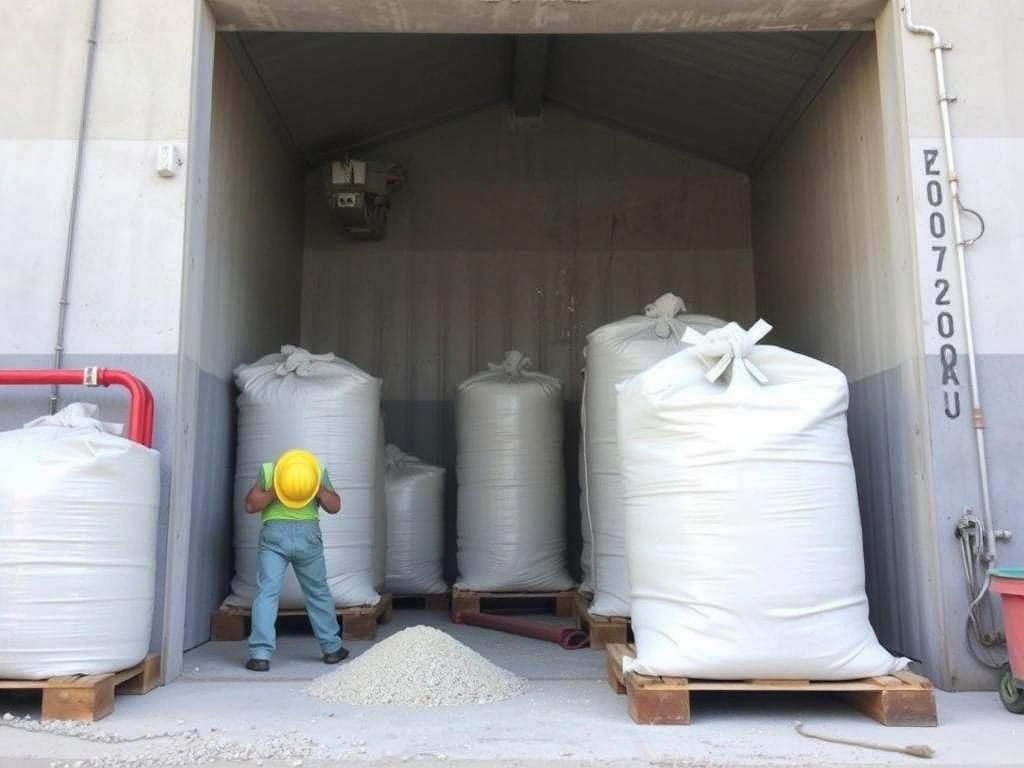
Bagged cement deserves protection from moisture and mechanical damage. Store bags on pallets to keep them off the ground and under cover to prevent rain or melting snow from wetting the product. Tarps and temporary shelters work for short projects, but indoor, ventilated storage is the better option for extended jobs or when high-quality concrete is essential.
Rotate stock using first-in, first-out principles to avoid long-term storage that increases the risk of hard lumps and performance loss. Inspect bags on arrival for tears and signs of moisture. Damaged bags should be segregated and used immediately in noncritical applications or returned to the supplier if performance is essential.
Stack bags no higher than what is stable for your site and manageable by workers and equipment. Avoid taller stacks that risk collapse or require workers to climb to access bags. Label stacks clearly with product name, batch number, and delivery date so teams can quickly identify materials and maintain inventory control.
Bulk cement storage: silos, hoppers, and transfer systems
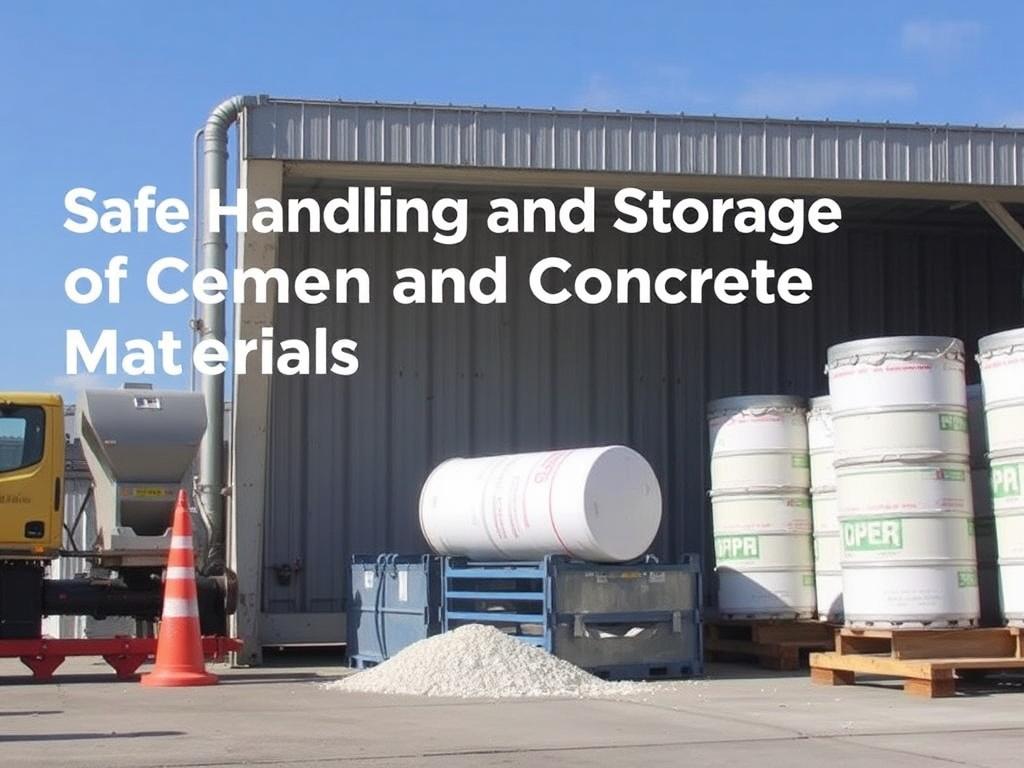
Bulk storage systems bring efficiency for medium and large projects but require disciplined maintenance and safety procedures. Silos should have dust collectors, pressure relief systems, level and flow indicators, and safe access points. Regular inspections of seals, filters, and conveyor systems prevent uncontrolled dust release and mechanical failures that interrupt production.
Silo cleaning is one of the most hazardous tasks in bulk storage. Never enter a silo without a confined-space entry permit, gas testing, an attendant, and proper fall protection. Whenever possible, clear blockages from outside using mechanical vibrators or discharge aids; only trained teams should handle internal cleaning procedures under strict permits.
Bridging—where material forms an arch and doesn’t flow—occurs when moisture or hardened lumps develop. Prevent bridges by maintaining material dryness and using appropriate discharge aids, but when removing a bridge, follow lockout/tagout of transfer equipment and use remote or pneumatic methods rather than manual probing whenever feasible.
Transport and site delivery: controlling hazards during movement
Delivery is a high-risk moment: trucks, forklifts, and personnel concentrate in a small area and bags or bulk flows are moved under time pressure. Keep delivery zones organized, well-lit, and free from through-traffic unrelated to the delivery. Appoint a signaler to coordinate the truck driver, forklift operators, and riggers to avoid miscommunication and accidents.
Secure loads to prevent shifting during transport. For bagged cement, use stretch-wrap and edge protection so bags do not tear in transit. For bulk shipments, ensure hatches and flaps are closed and dust control systems are engaged during unloading to prevent releases into the air.
When unloading bulk material, watch for dust clouds and use water sprays or dust collectors during transfer. Shield pedestrian routes from unloading areas and restrict access to authorized personnel only to reduce accidental exposure to airborne dust and moving machinery.
Handling fresh concrete on site: placement, protection, and cleanup
When concrete is being mixed and placed, plan for splash and washout control. Equip crews with waterproof gloves and boots, and make sure wash stations are available nearby. Keep people from kneeling in fresh concrete; use knee protection or platforms when close contact is unavoidable.
Concrete washwater is highly alkaline and contains fine suspended solids that can damage stormwater systems and aquatic life if discharged untreated. Collect wash water in designated containment tanks and let solids settle before controlled disposal or reuse. Consider recycling washout water for subsequent concrete deliveries where allowed and technically feasible; this reduces waste and conserves water.
In large pours, temperature control is important. Hot-weather placement can accelerate hydration and shrinkage cracks, while cold-weather placement risks freezing before curing. Use temperature management techniques—cooler mixing water, shading, or insulated forms—and follow manufacturer and engineer recommendations to protect both workers and concrete quality.
Dust control and ventilation strategies
Controlling dust at the source is the most effective strategy. Use water sprays, misting, and wet cutting to keep dust from becoming airborne during handling and cutting. For enclosed or semi-enclosed spaces, local exhaust ventilation with high-efficiency filters captures dust before it disperses into the breathing zone.
For processes that inherently generate dust—bag opening, transfer, grinding—use dust collection systems with proper filtration and safe dust disposal. Regularly inspect and maintain collectors; overloaded or damaged filters reduce effectiveness and can create new hazards. Train operators to empty and handle collected dust in a way that minimizes re-dispersal and exposure.
When engineering controls cannot fully eliminate exposure, provide respiratory protection and ensure fit testing and training are in place. Combine respirators with other controls like administrative measures to limit task duration and reduce cumulative exposure for each worker.
Spill response, cleanup, and waste disposal
Dry cement spills should be handled in a way that minimizes dust generation: gently sweep or use a vacuum with HEPA filtration designed for fine dusts. Avoid hosing down dry cement into drains where it can harden and clog systems or raise effluent pH. If water must be used, contain the runoff and allow solids to settle for proper disposal.
Fresh concrete washout requires containment. Design washout areas with berms or tanks that prevent contaminated water from reaching soil and storm drains. Once solids settle, the remaining water can sometimes be decanted for reuse; dispose of concentrated slurry in accordance with local regulations to prevent environmental harm.
Discarded bags, empty containers, and hardened concrete pieces should be segregated and disposed of according to waste rules. Keep clear records of disposal and, when possible, work with suppliers or contractors who can reclaim or recycle packaging materials to reduce waste footprint.
Emergency response and first aid measures
Immediate, appropriate first aid reduces the severity of chemical burns and eye injuries. For skin contact with wet cement, remove contaminated clothing and rinse the skin with plenty of water for at least 15 minutes. If irritation persists or if a chemical burn is suspected, seek medical attention promptly; delayed care increases the risk of scarring and long-term sensitivity.
Eye exposures require rapid flushing under an eyewash station for at least 15 minutes while someone calls for emergency assistance. Keep eyewash stations within easy reach of mixing and placement areas and verify they are functioning during daily inspections. Train workers to use them so responses are immediate and effective.
If someone inhales excessive dust, move them to fresh air and monitor breathing. For severe respiratory distress, call emergency services. Always document incidents, review the root cause, and update procedures to prevent recurrence.
Training, documentation, and regulatory compliance
Good training turns rules into habits. Provide task-specific instruction on hazards, correct PPE use, equipment operation, and emergency procedures. Hands-on demonstrations, toolbox talks before tasks, and refresher courses build competence and confidence on site.
Maintain accessible Safety Data Sheets (SDS) for all materials and ensure workers know where to find them. SDSs summarize hazards, protective measures, and first-aid steps, and they are a practical resource during onboarding and after incidents. Incorporate SDS review into pre-start meetings and make them part of your incident response toolkit.
Inspections and records support both safety and compliance. Create checklists for material receipt, silo maintenance, and PPE condition, and keep logs of training, fit testing, and confined-space entries. Documentation shows due diligence and helps teams learn from near-misses before they escalate into accidents.
Practical site tips and real-life examples
In my experience supervising several mid-size pours, small changes made the biggest difference. One project had repeated bag damage during rainy deliveries; moving a temporary covered platform and using pallets reduced damaged product by more than half in a single week. The cost of the platform paid for itself in material retained and fewer emergency mixes required.
Another memorable lesson came from a silo bridging event. Crews initially attempted manual clearing, which stopped production and created a dangerous situation. We switched to a vibration-assisted discharge method from the outside and implemented daily moisture checks, eliminating future bridges and avoiding risky internal entry. That event underscored the value of engineering solutions over “brute force” fixes.
On a renovation involving a lot of concrete cutting, early use of wet cutting and local exhaust saved both health and schedule. We saw immediate reductions in visible dust and fewer complaints of throat irritation among workers. The combination of planning, fit testing respirators, and rotating crews made the demolition stage much smoother than anticipated.
Quick reference checklist for safe handling and storage
Keep a laminated or digital checklist with you during materials handling and storekeeping activities. This small habit ensures consistency and makes onboarding new crew members faster and safer. Use the list before deliveries, at the start of shifts, and after any incidents.
Verify supplier delivery against order and inspect for bag or container damage.
Store bags off the ground on pallets and under cover; rotate stock FIFO.
Segregate incompatible chemicals and label all storage areas clearly.
Use dust suppression systems during transfer and keep local exhausts operational.
Provide appropriate PPE and enforce its consistent use.
Implement confined-space permits for silo entry and routine maintenance checks.
Contain and properly manage washout and runoff to protect stormwater.
Keep SDSs accessible and conduct regular training and toolbox talks.
Maintenance, inspections, and continuous improvement
Routine maintenance of handling and storage equipment prevents small problems from becoming dangerous ones. Schedule regular checks for silo seals, conveyor belts, dust collectors, and transfer points. Replace worn components promptly and keep spare parts for critical items to minimize downtime.
Inspections should be both planned and opportunistic. A short visual check at shift start can catch a torn bag or a blocked vent before they escalate. Encourage workers to report near-misses and to suggest practical fixes; frontline insights often lead to simple, cost-effective safety improvements.
Track trends from inspections and incidents to drive continuous improvement. If you notice repeated issues—wet bags after a particular supplier, frequent dust collector failures, or recurring lifting injuries—investigate root causes and adjust procedures. Small, iterative changes compound into safer, more reliable operations over time.
Final thoughts and practical encouragement
Working safely with cement and concrete materials is entirely achievable with thoughtfulness, planning, and a few practical controls. Protective gear, sensible storage, engineering controls, and honest training reduce risks dramatically while improving productivity and product quality. Investing a little effort up front saves time, money, and people’s health in the long run.
Start small: inspect your current storage areas, update your most recent SDS file, and hold a toolbox talk on handling wet concrete tonight. Then build on those steps—create standard work for deliveries, install a dust collector where dust is a regular problem, or review your confined-space procedures. Consistency and attention to detail are what turn safe practices into a normal part of every shift.
When teams treat cement and concrete materials with respect, projects finish on time and people go home in the same condition they arrived—healthy and ready for the next challenge. That outcome is worth every effort spent on safe handling and storage.